Top Cropping Yeast Strains
Top cropping yeast strains are the most common of yeasts, and for good reason. And while we know 180 to 200 of them, there are likely many, many more.
So why does this matter? And how does it affect your brewing?
Also read: Bottom Cropping Yeast Strains
Ale Yeast
As a single celled, eukaryotic living organism yeast has been around for millions of years. Indeed, yeast is a member of the fungus family, and fungi are the oldest life forms on earth.
But yeast needs one thing to survive – sugar.
Sure, it also needs warmth, moisture, and oxygen, but it can survive really well for long periods of time without those things.
Sugar, however, is the lifeblood of yeast.
Yeast hovers in the environment, seemingly ever present, and seeks out sugar.
It will find it in rotting fruit, crops of grain, and even in batches of honey.
When it finds sugar, it gets to work quickly, converting sugars to alcohol and carbon dioxide, along with hundreds of other micronutrients. This is the process we call fermentation.
The widely available and hugely prevalent strain of yeast we all know most well and love, is Saccharomyces cerevisiae, which is also referred to as ale yeast, brewer’s yeast, baker’s yeast, and even top cropping yeast.
Why the last one?
Well, in the beginning, brewers came to the discovery of yeast accidentally, which is how it spread so quickly across the globe.
You see, at first, brewers were simple farmers looking for ways to innovate with the cereal grains they had harvested.
Even in times of struggle, no one wants the same meal over and over.
So the farmers, likely their wives, first roasted the grain, making it sweeter.
Then they would grind the cereal to make it easier to consume and digest.
Finally, they added it to boiling water and steeped it, to make it softer and more palatable.
Now what you have is a genuine cereal of sorts, an oatmeal, or a cream of wheat, if you will.
Now, it is not a stretch from there to see how a batch of cereal left out in the right conditions would quickly attract yeast, which would then descend on the sugars in that cereal in no time at all and begin fermenting.
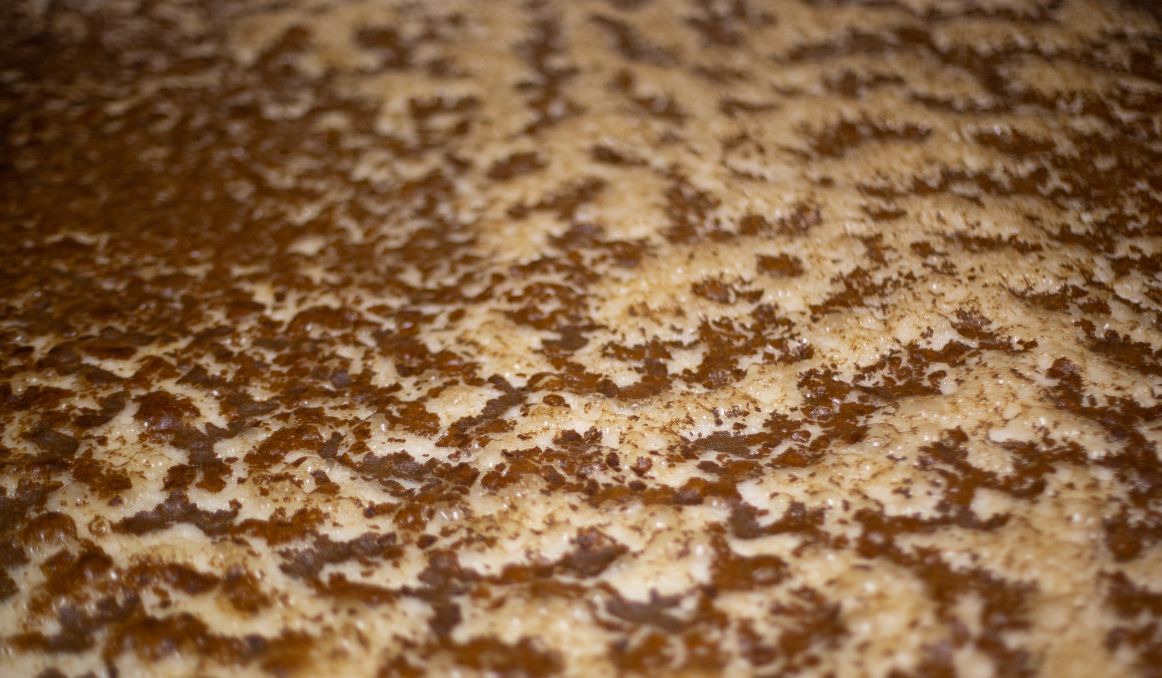
Well, within days, you would have active, bubbling, frothing wort on your hands. The krausening is especially interesting.
And after all that activity, you take a sip of the new bring to find a sweet, slightly bitter, and probably a bit sour, ale.
And how do you discover what is responsible for this new wonder that would be served happily at every meal hence?
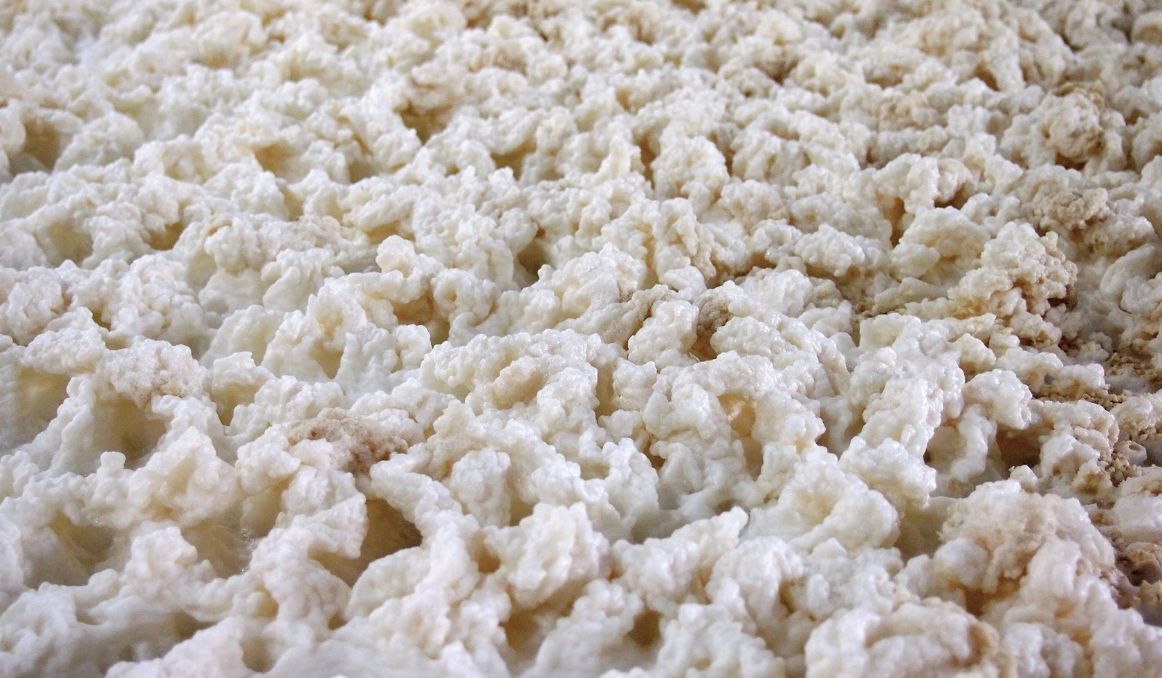
The flocculated yeast sitting on the top of your ale.
Because, as you likely know, when yeast has consumed all the sugar it can and converted it to alcohol and carbon dioxide, it lulls itself into a dormant state.
Kind of like the nap you take after turkey on Thanksgiving.
Farmers, now brewers, would see this yeast clumped together and know this is the tiny microbe responsible for the delightful brew, and then they would collect it, or crop it.
How to Crop Top Cropping Yeast Strains
Once upon a time, cropping ale yeast was no big deal.
You could simply skim it off the top.
Today, most brewing vessels are closed to ensure no “wild yeast” or “wild bacteria” gets into your wort, so it can be a bit more challenging.
You can, of course, if you have an open top vessel, simply skim your yeast directly from the liquid.
Alternatively, if you have a conical shaped fermentation vessel that drains from the bottom, you will simply rack your beer to the next vessel and allow your trub, your slurry, and your yeast to collect there on the bottom of the cone.
From there, you can drain out all your trub, that’s the dark brown, much denser sediment at the very bottom.
Then you will crop, or collect, your yeast, the bright white material from the center, and you can allow your slurry to wash away with the trub.
Rinsing Your Yeast
Whether you have collected your top cropping yeast from the top of your liquid or drained it out of the bottom, now you will want to rinse your yeast.
Some brewers will wash their yeast, but it is a process that involves using harsh chemicals that will kill off much of your yeast in the interest of “sanitizing it,” when the reality is that washing your yeast will not kill off any wild yeast or wild bacteria strains in existence as it is meant to be a food grade wash and not kill all the living organism.
A rinse, in most opinions, is plenty.
All you need to do is add your freshly cropped yeast to a mason jar of water, leaving some room at the top, mix up the contents, and then let the yeast settle for about a day.
When you return, you will find, once again, trub at the bottom, yeast in the middle, and slurry at the top.
You can simply pour off the slurry, collect the yeast, and then toss the trub.
Repeat this process as many times as you feel necessary.
Best Top Cropping Yeast Strains
As there are almost 200 known, manufactured and ready to ship ale yeasts, you have plenty to choose from.
You can experiment with:
- American Ale
- Belgian Ale
- British Ale
- Belgian Lambic
- Barleywine
- India Pale Ale
- Brown Ale
- Kolsch and Altbier
- Stouts and Porters
- And Wheat Beer
Beer Craftr has a great, complete list of all the ale yeasts along with descriptions of what to expect from each one.
The most important thing to remember is to have fun, experiment, and don’t forget to track your yeast’s progress along the way so you can be sure to create a consistent product your customers will come to crave.
Cheers!
Yeast activity monitoring is essential for optimizing the process of yeast harvesting and repitching! If you’re interested in finding out how you can use our technology to control fermentation and monitor your yeast, save work hours and improve the cost-efficiency of your business, drop us a line at [email protected] or check out the product pages (for beer or wine):
- Oculyze BB 2.0 (Better Brewing) Yeast Cell Counter App + Hardware
- Oculyze FW (Fermentation Wine) Yeast Cell Counter App + Hardware
Also, you can now get access to a fully functional demo account to test your yeast via our Web App. Completely free of charge and with no commitment to purchase.