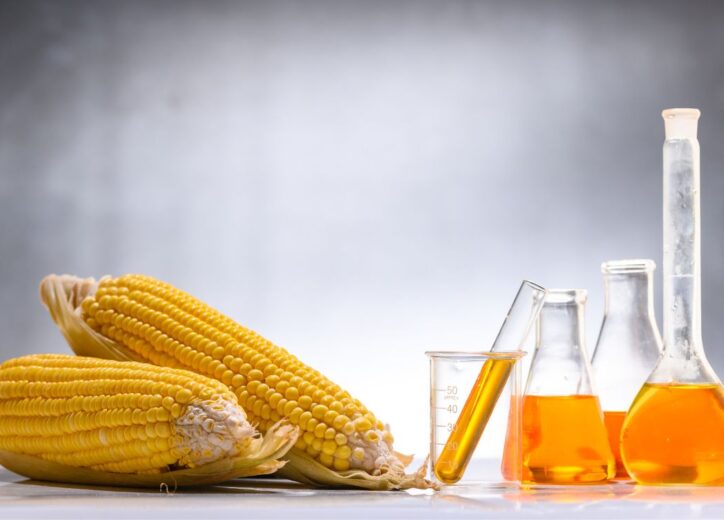
Best Yeast for High Gravity Beer
If you’ve been thinking about developing a high gravity beer, or you’ve already been experimenting with high gravity beer and have struggled, you likely have a few questions.
One of them has to be about the best yeast for high gravity beer.
After all, with the wrong yeast, your entire brew could fall flat, stagnate, and lose you a lot of money.
So, let’s talk about high gravity beer, ways to make it great, and the best yeast to use.
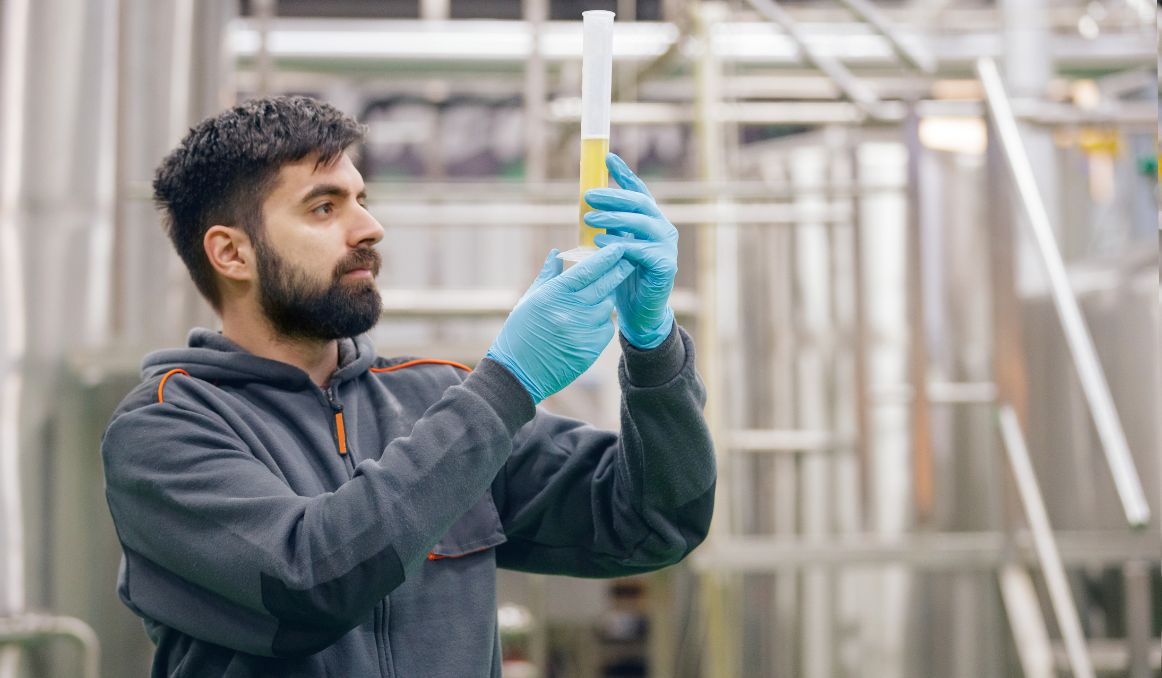
What Is High Gravity Beer
First, what is a high gravity beer?
High gravity beer is also referred to as “big beer” because it is big in every way.
It is often richer, fuller, more robust, and has a higher alcohol content.
Original Gravity
High gravity beer is actually defined as a beer that has a higher than average original gravity.
Let’s take a moment to explore this concept.
Perhaps the single biggest issue when it comes to brewing is the gravity reading.
If you measure nothing else before, during, and after fermentation, you must measure your gravity.
Why?
Because your gravity reading will tell you how much alcohol your beer has in the end.
When we talk about gravity, we are talking about how many dissolved fermentable sugars are in your brew.
Here’s how it works:
Water has a gravity reading of 1.0.
To make beer, toasted (or malted) grain is boiled in water (this is your mash-in), and any adjuncts are then included.
Adjuncts could be fruits, herbs, chocolate, oats, or any other fermentable sugar that is not included in the essential ingredients list of malted barley, water, hops, and yeast.
The more fermentable sugars added, the higher the gravity of the beer will go, rising from the 1.0 gravity of water.
We call the reading before fermentation begins the original gravity, or OG. It is the measure of all those fermentable sugars, dissolved in the water during the mash in. Once the grains and other adjuncts are filtered out, you have a heavy, syrupy wort ready for the yeast to get in and get to work.
Just for context, the average OG of beer is 1.050. The average OG of a high gravity beer is 1.100.
That’s a high percent increase in gravity from 1.0.
To calculate the ABV then, a brewer will take a final gravity reading at the very end of fermentation, before bottling, and subtract the final gravity (FG) from the OG.
The calculation is as follows:
(OG – FG) x 131.25 = ABV
How Is High Gravity Beer Made?
To make high gravity beer, brewers need to decide upon their base grain, any adjuncts they plan to include, and how much water, yeast, and hops they plan to use.
With ample water shortages across the US, many American beer companies are turning to high gravity beers because they offer a solution to a lower water supply.
With high gravity beer, brewers can reduce the amount of water used to brew in order to produce a wort that is more concentrated.
So, in addition to using more malted grain and adjuncts, the brewer can use less water, with the result being a higher original gravity.
Then, brewers can use the discarded grain to make lighter beers as well as reusing harvested yeast.
However, to make a high gravity beer takes great attention to detail as it can go wrong and you end up with a ruined batch and dead yeast cells that must be dumped.
The single biggest factors in ensuring your high gravity beer does not end up wasted are to watch your krausening, keeping a close eye on fermentation and your yeast, and to take gravity readings throughout fermentation to make sure it stays consistent.
To lay the proper foundation for high gravity beer, you want to pay close attention to the wort you prepare for your yeast, and to which yeast you ultimately choose for your big beer.
Yeast in High Gravity Beer
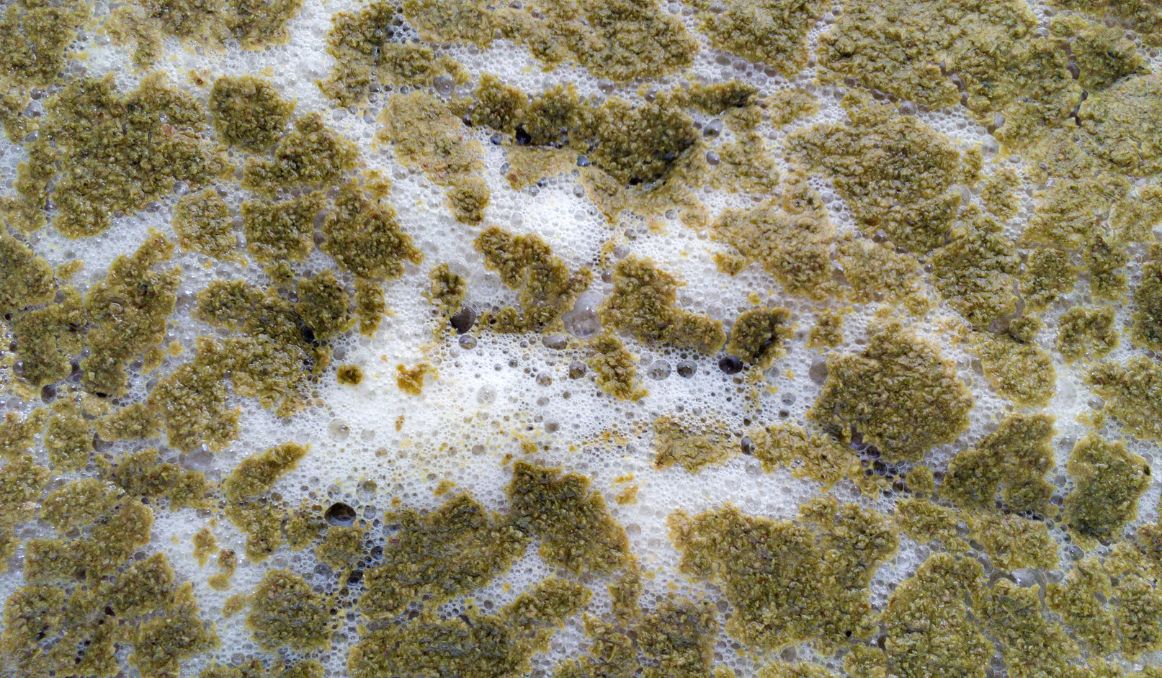
As in all beers, the most important ingredient is yeast.
Without yeast, you would just have grain tea.
Think about it, to make tea, you boil water and pour it over an herb or plant, or you boil a root or dried plant in water.
Ginger tea is just ginger root boiled in water for 10 minutes.
Ginger beer is ginger root boiled in water for 10 minutes, sugar is added and dissolved, and the tea is then fermented.
Same goes for beer.
Grain is boiled, sugars are extracted from the grain, the grain is strained out, or sparged, and the wort is then fermented.
Without yeast, fermentation cannot take place.
The problem is, there are hundreds of strains of yeast. Some have a low alcohol tolerance, and those are typically used for baking bread or making low alcohol beverages like kombucha.
Others have a much higher tolerance for alcohol, and those are used for wines and other beverages with a high ABV.
The trick to making a high gravity beer is pitching a yeast that can handle all the “food” you have created for it, converting those fermentable sugars to alcohol and then not stagnating or dying in the process.
Best Yeast for High Gravity Beer
The top five best yeast strains to brew a high gravity beer are:
Wyeast 3787: Liquid Beer Yeast: Trappist High Gravity – perfect for brewing high gravity Belgian style beers. It can tolerate ABV up to 12% and will produce fruity flavors and aromas.
Wyeast 1388: Liquid Beer Yeast: Belgian Strong Ale – another good options for high gravity Belgian style beer, this one can tolerate up to 13% ABV.
Mangrove Jack’s: Craft Series Beer Yeast / Workhorse / M10 – with a lower alcohol tolerance, this yeast will handle up to 9% ABV but provides a clean profile and produces a solid American or English ale.
Wyeast 1728: Liquid Beer Yeast: Scottish Ale – this yeast is ideal for a Scotch ale or a Barleywine and can tolerate up to 12% ABV.
Red Star Pasteur Champagne Yeast – champagne yeast is what you want if you aim higher than 13% ABV, and Red Star is a good choice for that option.
As always, take your time, experiment with what works for you and your ingredients, and have fun.
Cheers!
Are you still pitching fresh yeast every time? By reusing your yeast, you can save up to hundreds of thousands of dollars per year on just yeast alone!
Join the hundreds of brewers from all around the world using the Smartest Automated Yeast Cell Counter! Request a Free Demo Account today and experience firsthand how Oculyze can take your brewery to the next level!
Sources:
- https://byo.com/article/fermenting-high-gravity-beers-techniques/
- https://www.craftbeer.com/craft-beer-muses/high-gravity-beer-big-risk-bigger-reward
- https://blog.homebrewing.org/brewing-high-gravity-beers/
Stay on top on important fermentation insights – subscribe to our monthly newsletter and receive a hand-picked selection of our most relevant articles straight to your inbox.
Never miss a beat and get real time updates with a new article each workday by subscribing our social media channels.
Instagram | Facebook | Twitter | YouTube