Brewery Waste: Nutritional Value and Usage
In case you haven’t heard, brewing is the largest alcoholic beverage industry in the world. Yes, beer is much beloved across regions, cultures, and among all age groups. So yes, that’s a lot of beer. But that’s also a lot of brewery waste.
And as we have become more and more conscious of the human impact on our global environment, we have also begun to discuss ways to reduce our waste.
Sometimes, it’s simply not possible to reduce the waste, so we have to think of ways to reuse it.
That’s the conversation we’re having today.
Brewing
While in some industries, you can reduce waste by cutting down on things like packaging or by using more biodegradable materials, in brewing the waste is unavoidable and there is no way to reduce it.
To make beer, there are several processes involved, and several necessary ingredients.
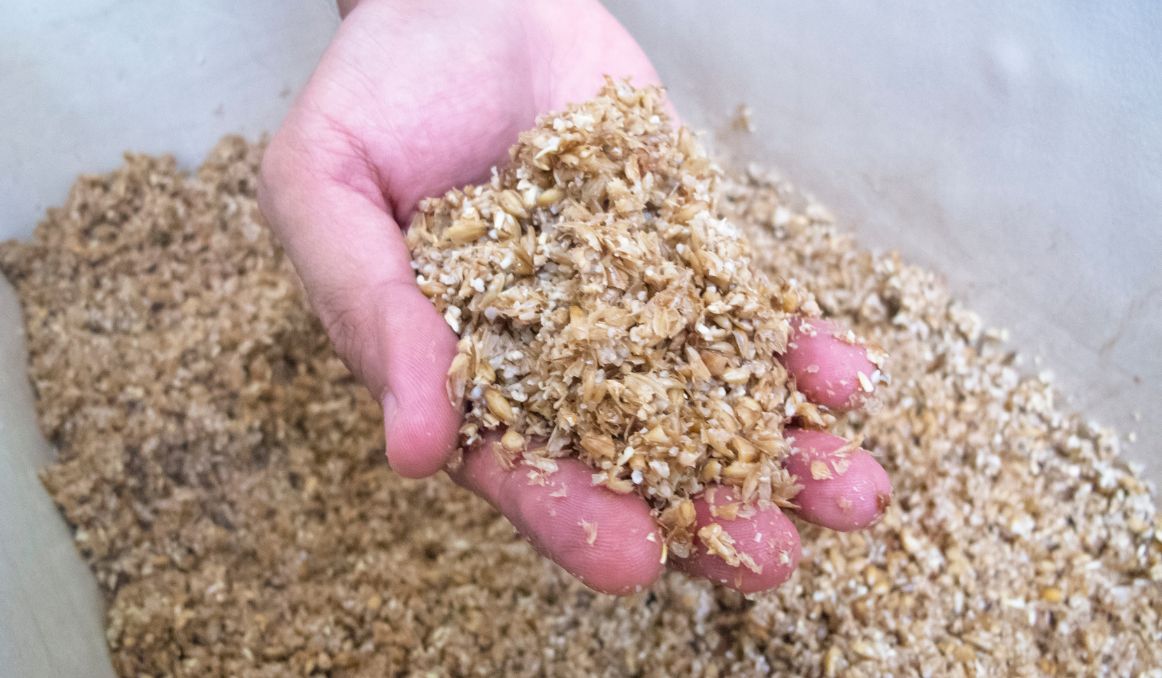
Malted barley, or some other grain, is ground and then “mashed in,” a process that involves steeping the ground grain in hot water. Hops are typically added at this point or even after fermentation in a process called dry hopping. Lautering then takes place, which is the rinsing of the grain to ensure all the good sugary wart is rinsed off.
Finally, the remaining liquid, now called “wort,” is fermented when yeast is added, or allowed to be attracted to the wort.
A week or so later, you have beer.
You also have a lot of waste products.
Brewery Waste
The brewing industry produces almost 2,000,000,000 hL of beer each year across the globe.
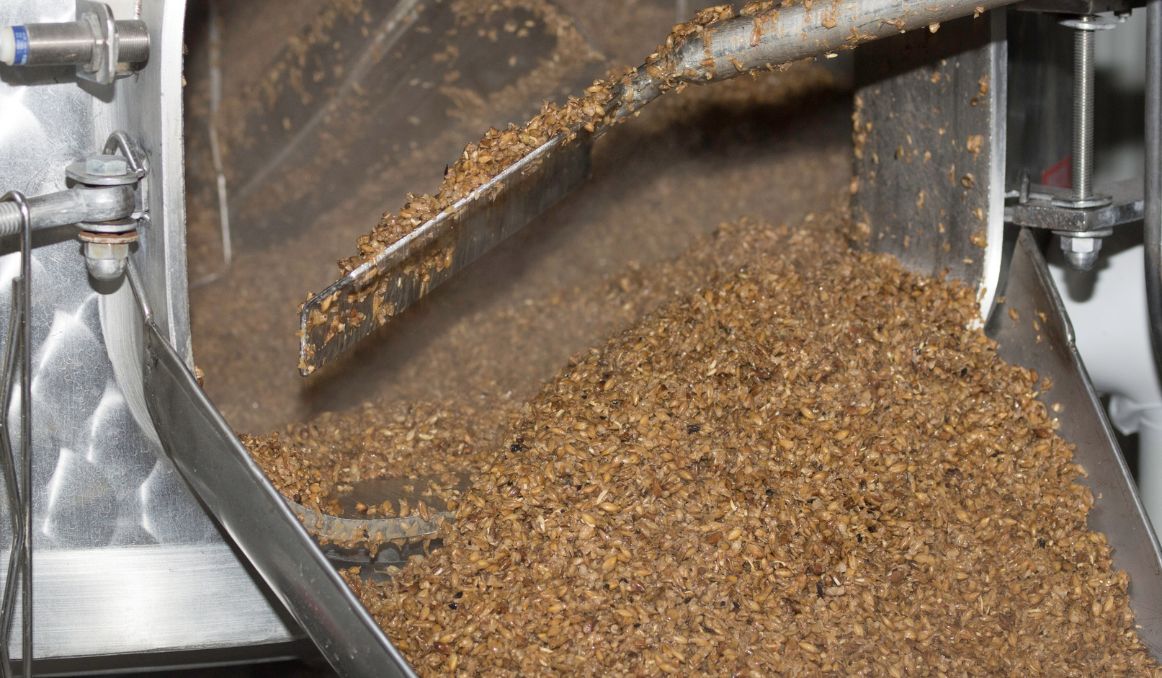
85% of the waste that comes from this brewing process is called brewers spent grain, or BSG. BSG is all the grain that’s filtered out of the liquid during the lautering process.
Think about how much grain that is. To produce 1 L of beer you need up to 200 g of malt. To produce 2,000,000,000 hL of beer, we are now in hundreds of billions of grams of malted grain.
There’s also the hot trub, or the portion of liquid that is filtered out of the beer after it has been fermented.
And then, of course, there is the reclaimed yeast, after the living organism has done its fermentation job.
If not reused, all of this waste will simply create more pollution, and take up more space on earth unnecessarily, particularly because all of this waste product can in fact be put to good use.
Brewer’s Spent Grain
At 85% of brewery waste, BSG is the biggest issue in this conversation. Fortunately, there are many options when it comes to what to do with your spent grain.
Composition
The nutritional value in brewer’s spent grain is tremendous. The most popular cereal grain, after wheat, corn, and rice, is barley, which is the most commonly used cereal grain in beer. Barley grain is rich in starch and proteins and consists of three main parts: there is the germ, the endosperm, and the grain coverings. Because of the composition of the barley grain, the starchy endosperm, and the walls of the empty sells, usually remain even after the lautering process.
Both are rich in cellulose and non-cellulosic chemical compounds.
The same is true of wheat, oats, and other grains used for brewing.
BSG contains a large amount of protein and fiber, which can be used for food additives, fertilizers, and animal feeds. Today, the most common use of BSG is in animal feeds.
Hot Trub
There is also nutritional value in hot trub, the clumpy sludgy stuff left over after you filtered out your beer post fermentation.
The breakdown of trub comes to about 50 to 60% proteins, 20 to 30% tannins, 15 to 20% resin, 2 to 3% ash, and 1 to 2% fatty acids. You actually get more nutritional value from the hot trub than from the greens, because it contains more digestible crude protein.
It has not commonly been used in human or animal food because of its bitterness. Think of all of that hop residue. But if you could find a way to mask the bitterness, or even sweeten it up a bit, it could be a great food additive, both for humans and for animals.
Yeast
And finally, there’s the yeast.
The best use for the yeast pulled from your wort after fermentation is to simply harvest it and reuse it. Check out this detailed manual (25 pages) describing all the steps of the yeast repitching process!
There is a very simple rinsing process that involves putting your yeast in a mason jar with filtered water and shaking it up. Place the mason jar in the fridge and allow the solids to separate from the liquids.
In 24 hours you’ll see a nice clean white yeast ready to be pitched into a new batch.
If you still see too much brown residue, that’s just your trub, and you can simply go through the rinsing process again. Whitening up your yeast, will get it even cleaner, and even happier, to be repitched.
Typically, you can rinse and reuse yeast several times, if you do it properly.
In the end, there are several ways to reuse and recycle your brewery waste. It does not have to be pollution, or a waste product that takes up space, particularly in this time where people are becoming more and more mindful of going green.
You can find brewers willing to throw their trub into a smoothie, donate their spent grain to a local farm or ranch, and recycle their yeast as much as possible.
Why not join the ranks?
Cheers!
Are you still pitching fresh yeast every time? By reusing your yeast, you can save up to hundreds of thousands of dollars per year on just yeast alone!
Join the hundreds of brewers from all around the world using the Smartest Automated Yeast Cell Counter! Request a Free Demo Account today and experience firsthand how Oculyze can take your brewery to the next level!
Sources:
Stay on top on important fermentation insights – subscribe to our monthly newsletter and receive a hand-picked selection of our most relevant articles straight to your inbox.
Never miss a beat and get real time updates with a new article each workday by subscribing our social media channels.
Instagram | Facebook | Twitter | YouTube