Yeast Derived Flavor in Beer: The Myriad Complexities
If you’ve ever had oatmeal, Cream of Wheat, or barley soup with no meat broth in it, you have a sense of what beer would taste like without yeast. Pretty plain if you don’t add in extra ingredients, right? The biggest misunderstanding about beer is that it tastes the way it does because of the grain and the hops, and while this is true to a certain extent, it grossly underestimates the value of yeast in making flavor in beer.
Yeast Makes Beer
Without yeast, we could have no beer.
We would have grain water with some herbs. So, basically, tea.
Yeast is a miracle in and of itself. The Egyptians knew it. The Romans knew it. And even today, any brewer worth their trade knows it.
A single celled living organism that has been on earth for billions of years, yeast is prevalent in most places on earth, and it is in constantly in search of sugar as its energy source.
For this reason, wine and beer pretty much made themselves once our ancestors from 10,000 years ago began experimenting with foods.
You see, once humans domesticated and decided to plant crops, they also started to play around with those crops. They would crush grapes for juice, boil grain for cereals, and of course lay out large batches to save for later.
What they would discover after several days was that the juices and meals would start bubbling and frothing as yeast got a hold of the sugars inside.
Yeast would consume those sugars, expel alcohol and carbon dioxide as waste products, and reproduce asexually so its offspring could continue this process.
In the end, we had tons of happy ancestors enjoying the fruits of yeast’s labor.
And yeast does so much more than simply convert sugar to alcohol and carbon dioxide.
It also contributes tons of flavors.
Yeast Contributors to Flavor
While we often discuss the ways in which yeast converts sugar to alcohol and carbon dioxide, we much less frequently discuss the hundreds of secondary metabolites yeast also produces during fermentation. These flavors are so highly sought after that even people who avoid alcohol still crave the taste of a good ale and will find it in a non-alcoholic beer to their liking.
The three classes of contributions yeast makes to the flavor and aroma are esters, polyphenols, and alcohol.
Esters
When we think of the flavor of beer in terms of our sensory palate, we are often talking about the esters. Esters produce everything from banana to apple, from citrus to floral notes, and even nuts, vanilla, and coffee. It is likely a combination of the yeast interacting with the grains and the hops, but each yeast strain does have its own characteristic flavor and aroma profiles in terms of which esters are produced.
Polyphenols
Polyphenols are another byproduct of fermentation that show up in the form of cloves and straw to name a couple. Of course, beer gets polyphenols from grain and hops as well, but yeast contributes its own special brand of flavoring.
Alcohol
Finally, the alcohol produced during fermentation also lends itself to flavor. Which strain you choose, which grains and how much sugar is present in the grains, will all contribute to the alcohol produced, which relates directly to how astringent, how warming, or how drying a beer is on the palate, all connected to the flavor and aroma.
Types of Yeast
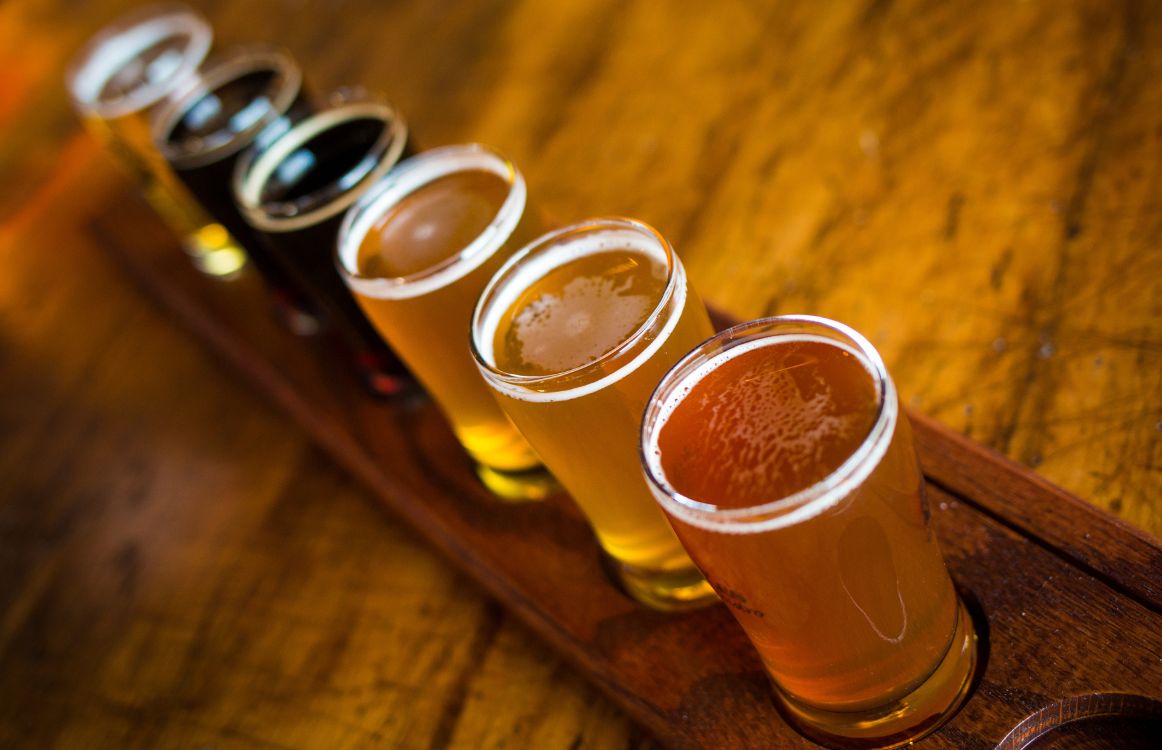
Of course each strain of yeast will determine the flavor and aroma profile of the beer it ferments, and there are over 400 strains of yeast commercially available now. That’s not even mentioning the wild, local yeast strains many craft brewers are experimenting with.
In general, two primary strains of yeast are used in brewing: ale yeast, or Saccharomyces cerevisiae, the oldest (used) yeast, which brewers have been counting on for thousands of years, and lager yeast, or Saccharomyces pastorianus, which has only been in use for a few hundred years.
The basic difference between the two strains is that ale yeast ferments at warmer temperatures and lager yeast ferments at much cooler temps.
This difference matters because a lot of the strongest flavors and aromas tend to rise during a warmer fermentation, which is why ale is known for having much more complex notes and does not need to be kept or served at frigid temperatures.
In contrast, lager yeast typically ferments at much colder temperatures and is appreciated for being much more clean and clear, which can also mean lacking in flavor. Still, a nice cold lager on a super-hot day is one of the best experiences a beer lover can ask for.
Yeast: the Magic and the Miracle
In the end, anyone who loves a good beer, a great glass of wine, or a delicious loaf of bread, or any other fermented food for that matter, can be grateful for the wonders imparted by yeast. While we can master the craft of working with this living organism, quite often we do our best work by simply creating an ideal fermenting environment.
Yeast has been doing its job much longer than we humans have been doing ours. Indeed, yeast has been fermenting fruits and other sugar sources in nature long before humans even hit the scene. It is an art and a science perfected over millions of years.
The best thing we can do is learn how to give yeast exactly what it wants so we can get exactly what we want. A great tasting beer.
Cheers!
Are you still pitching fresh yeast every time? By reusing your yeast, you can save up to hundreds of thousands of dollars per year on just yeast alone!
Join the hundreds of brewers from all around the world using the Smartest Automated Yeast Cell Counter! Request a Free Demo Account today and experience firsthand how Oculyze can take your brewery to the next level!
Stay on top on important fermentation insights – subscribe to our monthly newsletter and receive a hand-picked selection of our most relevant articles straight to your inbox.
Never miss a beat and get real time updates with a new article each workday by subscribing our social media channels.
Instagram | Facebook | Twitter | YouTube