White Ale vs Pale Ale
One of the most interesting parts of brewing or even just loving beer is differentiating among all the styles. We can go very broad and distinguish between an ale and a lager, or very narrow and find the distinction in while ale vs pale ale. Either way, it is a fun rabbit hole to go down whether you’re hoping to create your own brew or simply experience a joyful pub crawl.
Today, we’re talking about white ale vs pale and, of course, we begin at the beginning.
The Brewing Process
It helps when differentiating among beers to start with the basics of what we know. Beer was brewed for thousands of years with what we now call ale yeast, Saccharomyces cerevisiae. There are hundreds of strains of this yeast, all specific to their own regions and even the plants on which they grow. Yeast is a living organism that is millions, and perhaps billions, of years old, and it plays a crucial role in the production of beer.
After all, we cannot ferment alcohol without yeast.
That’s right. No yeast. No alcohol.
Fortunately for those of us who love a good beer, yeast is alive and well in abundance in virtually every space on earth that is warm enough that it won’t go dormant.
Originally, brewers kept the process simple: toast some cereal grains, grind them up, boil them in water, and let the magic happen. Truly, wine makers and brewers alike once thought of fermentation as a mysterious process wherein they would leave out their sugary substance and within a week or two they would have wine or beer.
Today we know that wild, local yeast was attracted to the sugars in the wort, or must, which it would consume for energy and expel alcohol and carbon dioxide as waste products.
Over the years, brewers had little control over yeast, but they could decide which grains to use, how much to toast those grains, and which, if any, other ingredients to add – like hops.
White Ale
A white ale was one of the earliest inventions of craft brewers. Native to the Flemish region of Belgium, white ales have traditionally been called witbiers, Flemish for “white beer.” Up until around the Middle Ages, ales had long been known for their darker coloring, thanks to the toasting of the malted barley, which was often the go-to grain for beer.
The Flemish brewers decided to put a bit of a spin on this traditional ale by sourcing wheat from the local farmers, but they also included other local cereal grains like oats and barley. Furthermore, white ale uses mostly unmalted grains, meaning the grains in the wort are not toasted first, or if they are, they are very lightly toasted.
It makes sense then to call it a white ale or a white beer as most of what gives a beer its color is the grain and the level of malt the grain has received. A grain of wheat or oats is naturally light in color. Unmalted, it would then produce a lighter colored wort.
White ales are also known for their spices, particularly coriander and orange peel, which Flemish brewers could source from the nearby Netherlands.
Finally, the yeast used in white ales is similar to that of the Hefeweizen yeast, which produces banana, clove, and vanilla flavors.
This interesting approach to brewing created the white ale, which came to be so beloved that it spread throughout Europe and likely inspired the wheat ales from Bavaria and Germany.
Pale Ale
A pale ale is quite distinct from a white ale in that it much more closely resembles a traditional ale. In the early 1700s, British brewers decided to experiment with a new roasting technique. They would malt grain with a high carbon, low smoke, fuel that resulted in a lighter colored malt. Still, the grain used was the traditional barley grain, and the taste is closer to the darker beers of the time than it is a white ale or a wheat ale, thanks to the grains being so distinct.
Wheat Ale
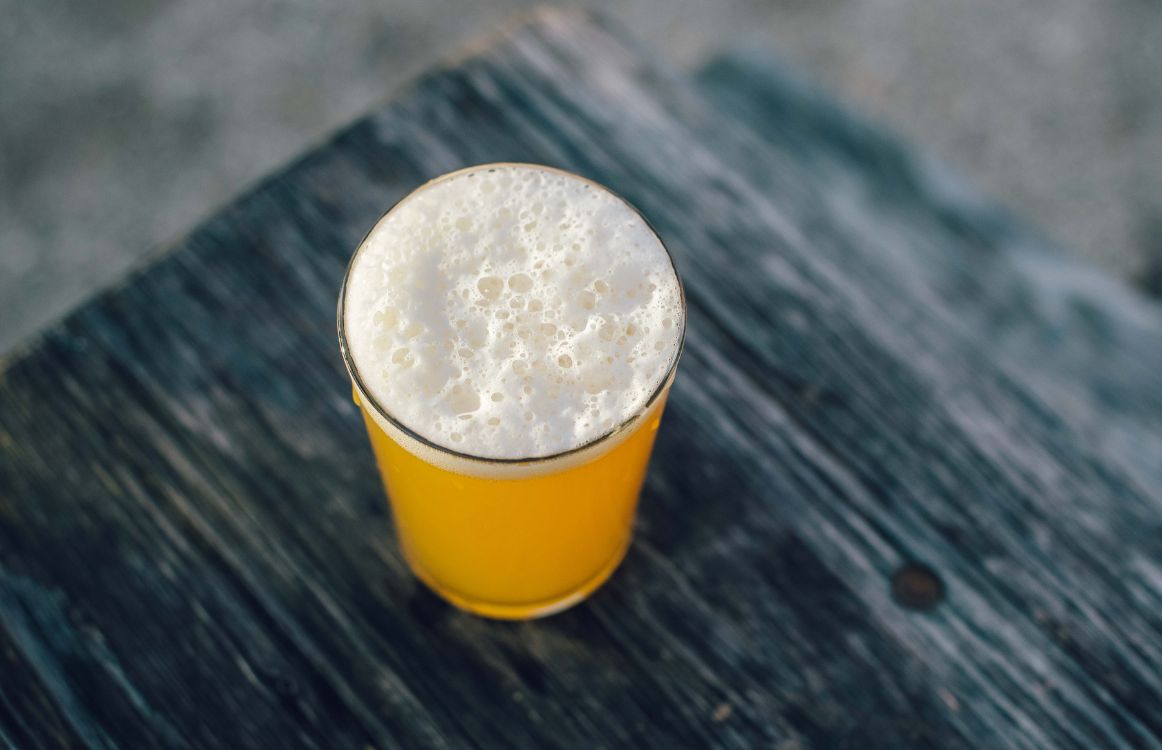
A wheat ale is closer to a white ale as both beers rely heavily on grains of wheat. The largest difference lies in the ingredient requirements and the malt. While white ales source from wheat, oats, and even barley, wheat ales must have at minimum 50% wheat as the primary grain, and they usually have much more. If wheat ales add other ingredients, they will be restricted to barley and hops. Where white ales experiment with spices and grains, wheat ale brewers pride themselves on being more exclusive.
The German Hefeweizen calls for a relatively strict recipe, wheat, barley, and hops. Furthermore, wheat beers have grains that have been malted, creating a bit of a darker color and richer flavor. In the end, Hefeweizen literally translates to “yeast wheat,” proving that the end goal of Hefeweizen is to create a beer made from yeast and wheat and little else.
It is interesting to note that both the white ale and the wheat ale leave the yeast suspended in the beer, producing cloudy, hazy beer rich in proteins. The pale ale is more filtered and clearer, in contrast.
Pilsner
Finally, a pilsner, which is often confused with a pale ale, is not an ale at all. A pilsner, similar in appearance to the pale ale, is actually a lager. It is brewed with lager yeast, Saccharomyces pastorianus, and is then lagered, or allowed to ferment for longer at much cooler temperatures. It is, however, also brewed using primarily barley malt as its grain. It’s called a pilsner because it was first created in the town of Pilsen in the Czech Republic.
Taste Test
Now, you can take this knowledge and begin experimenting with various brewing techniques, grains, approaches to malting, and decisions on lagering. But first, be sure you enjoy a pub crawl or two to taste the wide variety of differences among these interesting takes on beer.
Cheers!
Are you still pitching fresh yeast every time? By reusing your yeast, you can save up to hundreds of thousands of dollars per year on just yeast alone!
Join the hundreds of brewers from all around the world using the Smartest Automated Yeast Cell Counter! Request a Free Demo Account today and experience firsthand how Oculyze can take your brewery to the next level!
Sources:
- https://www.allagash.com/blog/whats-in-a-white-beer/
- https://www.summitbrewing.com/pale-ale-versus-ipa/
- https://www.masterclass.com/articles/pilsner-vs-lager
Stay on top on important fermentation insights – subscribe to our monthly newsletter and receive a hand-picked selection of our most relevant articles straight to your inbox.
Never miss a beat and get real time updates with a new article each workday by subscribing our social media channels.
Instagram | Facebook | Twitter | YouTube