What Is a White Ale?
You have likely heard of white ale, white beer, or witbier before, which means you’re probably wondering, “what is a white ale?”
It’s a fair question; after all, we use all of these terms that can get confusing and often not even mean what they sound like.
So, what is a white ale, anyway?
What Is a White Ale?
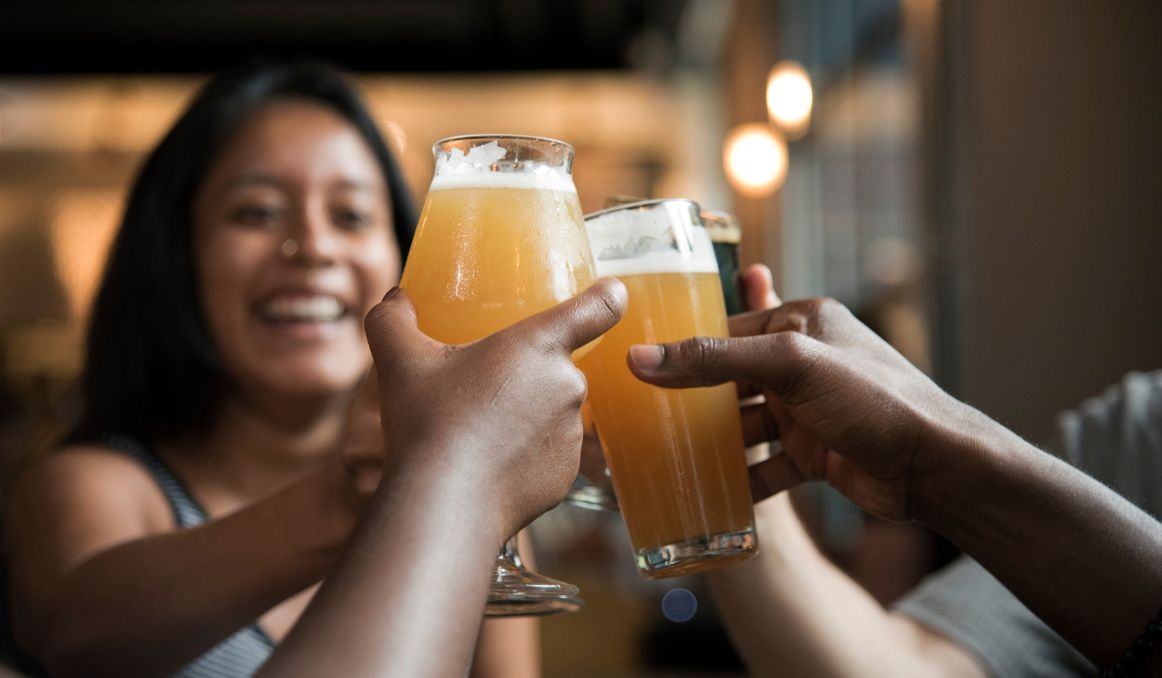
A white ale is an unfiltered, top fermented wheat beer.
Its biggest selling point is that the ingredients are typically unmalted and wheat heavy, unlike many beers today that contain mostly toasted grains.
White ales are also known as witbiers, which is the Flemish word for “white beer,” which is why you will also hear them called white beers.
Because the beer originates in French speaking Belgium, the white ale is also called “bière blanche,” the French term for white beer.
When we say top fermented, we are talking about the ale yeast, Saccharomyces cerevisiae, which ferments at warmer temperatures and then flocculates at the top of the fermenting vessel once krausening has completed.
What Does White Ale Taste Like?
White ale is well known for its soft, citrusy notes which are thanks to the ungerminated or toasted wheat and other grains and the yeast, which offers a fruity but not sour flavor and aroma to the ale.
Coriander is another essential ingredient, which adds a level of smooth texture and some herbal notes.
An additional flavor factor in witbier is the (almost) absence of hops, of which very few are used, so you won’t detect much bitterness.
All in all, white ale is a perfect late spring or early summer beverage for sitting on a patio and enjoying a nice lunch.
White ale pairs well with pretty much any food as the flavor is clear but not strong or overwhelming.
It can mellow out spicy foods or highlight other strong flavors.
And because white ales are traditionally brewed to be relatively low in alcohol, usually around 5% ABV, you can have a couple and not worry about getting too tipsy.
History of White Ale
The history of white ale is a long one.
While the primary history we tell is of 1400s Belgian monks gathering local ingredients from farmers and making an uncomplicated brew, the story of the white ale necessarily goes back much farther.
If you think about it, the history of beer is a very uncomplicated one.
Humans began to settle as farmers and ranchers about 10,000 years ago when we discovered we would be much better off domesticating animals for food and growing our own crops than continuing to hunt and gather, a practice that was much less efficient and stable and much more dangerous on many levels.
As our ancestors grew cereal grains, beer was a natural byproduct as it is beyond easy to simply boil grains in water and leave them to ferment.
Literally nothing else is required to make a simple ale.
Take grains, boil them in water, filter out the grains, and leave the wort to sit for several days.
By the end of two weeks, at the latest, you will have an ale.
And if your primary ingredient was wheat, you had what we would call today a white ale.
So clearly, one of the earliest beers known to humans would have been a white ale – a light, low alcohol, top fermenting ale with hints of fruit and herbs.
Still, because of our stubborn insistence on improving upon our own discoveries and inventions, we experimented with toasting grains, with emphasizing darker malts, higher alcohol content, and different herbs, and the white ale was forgotten for thousands of years.
Until those Belgain monks in the 1400s acted out a kind of reclamation, pulling simple ingredients – local, unmalted wheat, maybe a bit of unmalted barley and oats for a richer texture, a local yeast, and some herbs, then called gruit.
The ale was brewed and served unfiltered, with the proteins from the yeast left to create a cloudy haze in the soft, almost yellow ale with a white frothy top.
The white ale has come in and out of fashion throughout history, but somehow, we always find our way back to its simplicity.
Difference Between White Ale and German Wheat Beer
One common mistake is to confuse white ale with German wheat beer.
The witbier, remember, originated in modern history in Belgium, and uses untoasted grains.
The German wheat beer, called weissbier in German, also uses wheat as the primary ingredient, but the wheat is malted, or germinated, enhancing the fermentable sugars and creating a beer with higher alcohol volume. It also calls for malted barley.
Further, the German wheat beer is significantly less complex than the witbier; it does not employ spices and instead relies heavily on its yeast for flavor and aroma.
White Ales to Try
If you’re looking to brew your own white ale, it is a good idea to sample some of the most well-received white ales on the market now so you can get a sense of where you want to place yourself and your brewery among these giants in flavor and texture.
Hitachino White Ale
That’s right, a Japanese white ale. Refreshingly mild, with hints of nutmeg added to the coriander and orange peel.
ABV 5.5%
Einstock Icelandic White Ale
And over to the other extreme side of the globe, Einstock, out of Iceland, has the traditional wheat, orange, and coriander flavors with a hit of caramel from some malt.
ABV 5.2%
Allagash White
Allagash White is the go-to American witbier. Using curacao orange peel for bitterness and a secret blend of herbs and spices, Allagash has been a hit since its founding in 1995.
ABV 5.2%
Dogfish Head Namaste White
Bursting with lemongrass notes to accompany the orange, Namaste is one of the more refreshing white ales on the market.
ABV 4.8
Cheers!
Are you still pitching fresh yeast every time? By reusing your yeast, you can save up to hundreds of thousands of dollars per year on just yeast alone!
Join the hundreds of brewers from all around the world using the Smartest Automated Yeast Cell Counter! Request a Free Demo Account today and experience firsthand how Oculyze can take your brewery to the next level!
Sources:
- https://vinepair.com/articles/white-ale/
- https://www.allagash.com/blog/whats-in-a-white-beer/
- https://punchdrink.com/articles/rebirth-americas-original-witbier-celis-brewery/
- https://vinepair.com/articles/7-best-white-ales/
Stay on top on important fermentation insights – subscribe to our monthly newsletter and receive a hand-picked selection of our most relevant articles straight to your inbox.
Never miss a beat and get real time updates with a new article each workday by subscribing our social media channels.
Instagram | Facebook | Twitter | YouTube