Best Yeast for Pinot Noir
Pinot Noir has become an acquired taste among wine drinkers. It’s not typically the first wine a novice drinker orders from the menu.
It is dark and rich, and it has very specific flavors, a far cry from a sweet Shiraz or a mellow Malbec.
But it is much beloved among experienced wine drinkers with advanced palates.
As such, it is an essential addition to many wineries.
And getting it just right is critical, including understanding which is the best yeast for Pinot Noir.
What is Pinot noir?
So what exactly is a Pinot Noir?
The words, pinot and noir, literally translate to pine and dark or black.
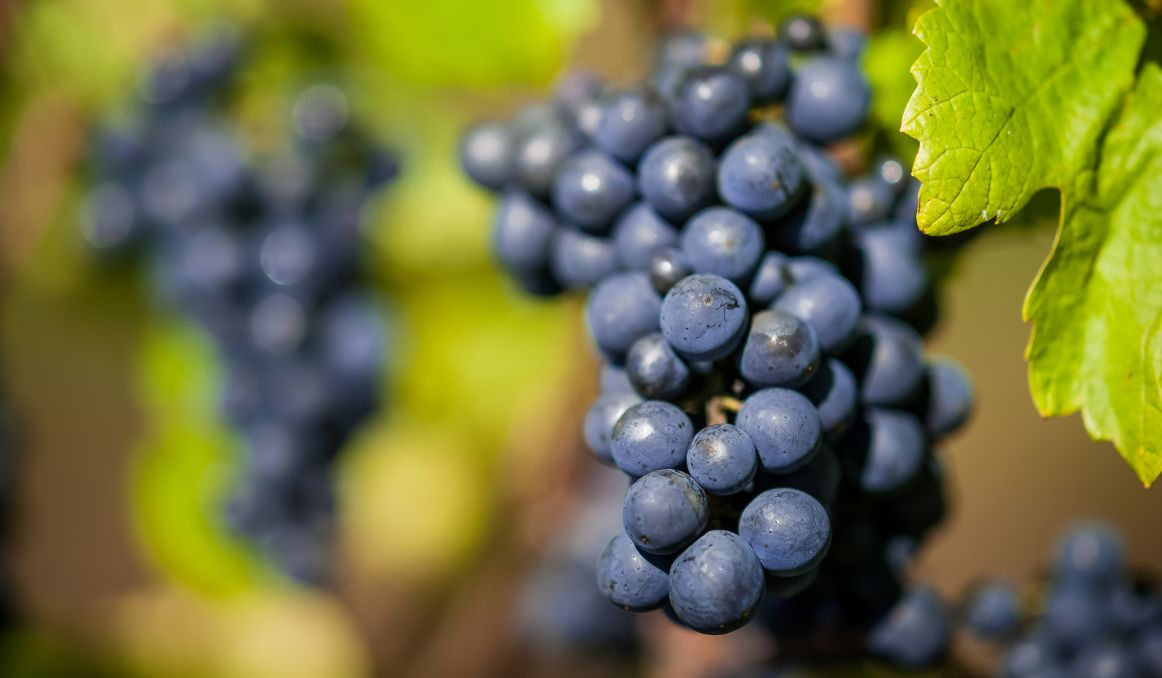
The Pinot Noir is named after pinot noir grapes, which are conically shaped like a pinecone and a deep purple that is almost black.
Pinot noir grapes are native to France, and most believe that the best pinot noir grapes are grown in the Burgundy region.
But these grapes can be grown all over the world, each winery producing highly sought after bottles of Pinot Noir, each with its own unique flavor and aroma profile.
Common aromas and flavors associated with this wine are cherries, raspberries, and strawberries. But wine makers and sommeliers will tell you of course that great variations can occur based on the terroir, or the soil, and the yeast.
In France alone, you can find dark fruited wined with earthy notes and lots of minerality.
In Austria, you’ll find a spectrum of red berry flavors, including strawberry, raspberry, and morello cherry all blended with forest, soil, and plum skin.
In the United States, Northern California has been producing some amazing Pinot noir bottles, with the best coming out of Sonoma County; these wines are dark-berried, rich, and highly concentrated. Farther south in Santa Barbara County, Pinot Noir is vibrant, with ripe cherry flavors, thanks to the warmer growing season, and you can also find notes of baking, spices, blood, orange, and cedar.
New Zealand is home to roughly 700 wineries, and Pinot Noir accounts for 72% of the red wine production there. Flavors of these Pinot Noirs range from bright cherry, red berries, plums, and red florals to baking, spices, chocolate, and earthiness.
Chile’s growing environment tends to be on the cooler side, with cold winds coming off the Pacific to blend with a hot summer. Wine critics are huge fans of Pinot Noir from Chile, noting the exciting diversity which reveals cherry, red currant, earthy notes, and sweet spices.
Across the spectrum, a wine drinker can expect Pinot Noir to be dry, light to medium bodied, with bright acidity, low in tannins, and an ABV between 12 and 15%.
It is more acidic than other red wines, which makes Pinot Noir smooth and easy to drink.
It is a wonder then that more newcomers to the wine scene don’t turn to this wine first. It would be a great start.
The Wine Making Process
Thus, the flavors and aromas of a Pinot Noir depend heavily not only on the grape, but also on the land and the environment in which the grape is grown.
It is this reality that seems the least well understood among wine drinkers.
Of course, sommeliers understand this concept and will talk endlessly about terroir, but the average, every day wine drinker does not fully grasp the import of where a plant is grown.
Indeed, it is likely fair to say that most people in the world, and certainly most people from the United States, do not understand the connection between the foods that produce their meals and their beverages, and the land from which those foods are grown.
We think of the wine making process in the same way we think of most food production. Simple.
Grow grapes, harvest those grapes, crush those grapes, ferment those grapes.
Drink the wine.
But the truth shows up in our taste buds.
Soil health has been a conversation occurring more and more in recent years. The dirt where the plants grow is rich in minerals, and nutrients, all of which contribute to what we end up putting in our mouths.
Not to mention the fact that a hotter sun or a colder wind will also influence the plant.
Thus, a winemaker must take all of these factors into consideration: location, environment, and yes, the grapes, he or she chooses to grow.
The Magic of Yeast
Then there is the decision of which yeast to use for your wine.
There are literally hundreds of strains of yeast categorized and sold commercially today. Outside of this commercial production, we likely have hundreds more, at least, that have still not been categorized. We call these wild yeasts.
Rife and ready for enzymatic processes, yeast has an enormous influence on the end result of wine.
Which yeast you choose can and will impact alcohol content, texture, carbonation, body, aroma, and flavor.
Once upon a time, of course, winemakers were dependent on nature to decide which yeast would ferment their wine.
Grapes were carefully selected for growth and cultivation, they were harvested at just the right time, they were crushed ritualistically and ceremonially, and then great faith would be put in what was thought of as miraculous – the arrival of the yeast.
You can imagine that it would actually have been nice to simply rely on nature to ferment your grape juice.
Today a decision must be made, as most wine production has become highly systematized and industrialized. Most wine makers do not allow for the arrival of wild yeast to ferment their wine.
Of course, if you were feeling rebellious, or in the mood to reclaim the old ways, you could simply allow wild yeast to ferment your must, and trust that this local yeast would be the best for your wine. That is not to say that there will not be some risk involved.
Best Yeast for Pinot Noir
If you as a winemaker are like most winemakers, you will instead place your trust in modern production practices.
Which means you are looking to purchase the best yeast for Pinot Noir.
As of latest publications, the three most popular yeast strains for Pinot Noir are Wyeast Bordeaux 3028, Red Star Premier Cuvée, and Wyeast Assmannhausen 3277.
The choice, as they say, is yours.
Cheers!
Regardless of which type of yeast you decide to use, you need to keep an eye on it to prevent stuck fermentation and obtain a quality product. If you’re interested in finding out how you can use our technology to control fermentation and monitor your yeast, save work hours and improve the cost-efficiency of your business, drop us a line at [email protected] or check out our product pages:
- Oculyze FW (Fermentation Wine) Yeast Cell Counter App + Hardware
- Oculyze BB 2.0 (Better Brewing) Yeast Cell Counter App + Hardware
Also, you can now get access to a fully functional demo account to test your yeast via our Web App. Completely free of charge and with no commitment to purchase.