Does Non-Alcoholic Beer Contain Gluten?
More and more people are coming to realize they have a gluten sensitivity. But just as many people, perhaps even more, do not realize what gluten is, how to avoid it, and what the difference is between allergy and sensitivity.
As a result, people are avoiding foods like rice but still drinking beer, and non-alcoholic beer, off the market shelf.
The question then becomes, what has gluten? Are any beers naturally gluten free? And can you be gluten free and drink beer?
Gluten
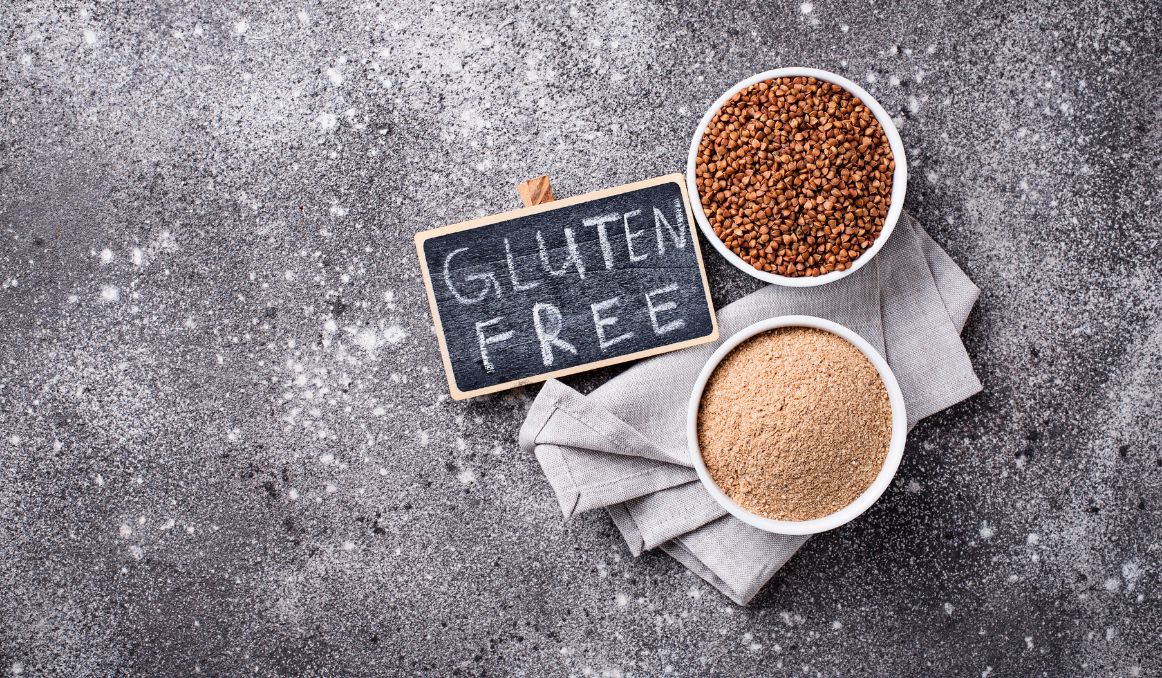
Gluten is a general term used for a protein found in wheat, rye, barley, and triticale (a wheat/rye hybrid).
Most commonly, and most obviously, we find gluten in foods like pasta, bread, cereal, crackers, and other baked goods.
But because the nature of gluten makes it sticky, or “gluey,” gluten is also added to a number of foods where you otherwise might not find it. In manufactured foods, gluten is added to sauces, dressings, candies and cookies that don’t necessarily call for a wheat-based substance.
Gluten helps foods maintain their shape, and it is a thickening agent.
Thus, when you have a gravy or a sauce, frequently a roux has been made to create density in the sauce. It is an age-old cooking process that simply calls for flour and butter.
Rice does not have gluten naturally, but you have to be careful with sushi because it is a common practice to add gluten to sushi rice to make it stickier, which makes for better sushi rolls.
Gluten Allergy versus Sensitivity
A genuine gluten allergy is pretty rare; only about 1 percent of the population has it. Called Celiac Disease, it can cause severe stomach pain, vomiting, diarrhea, and even anaphylactic shock when gluten is consumed.
Gluten sensitivity, on the other hand, is much more common than full on Celiac. About 6 percent of the population is estimated to have a sensitivity to gluten, which make people who consume gluten feel ill, sluggish, bloated, gassy, just overall tired.
Many people go their whole lives never realizing they have a sensitivity to gluten or understanding the connection between their food and the way their body feels.
Gluten in Beer
Because wheat and barley are the primary ingredients in beer, beer has gluten. There is just no getting around that fact.
And for those with genuine Celiac Disease, no attempts to remove the gluten from those beers can be successful. The slightest amount of gluten can trigger an attack, and you don’t want to take chances.
In the brewing process, the malted barley or wheat is cracked or ground and boiled and steeped in water for long enough to extract all of the nutrients from the grain. Think of it like a giant vat of tea. Thus, all of the gluten is steeped into that water, now called wort, and it is impossible to extract.
For brewers interested in catering to the gluten free crowd, there are plenty of options, however, and many craft brewers have found tremendous success experimenting with them.
Gluten Free Grain Alternatives
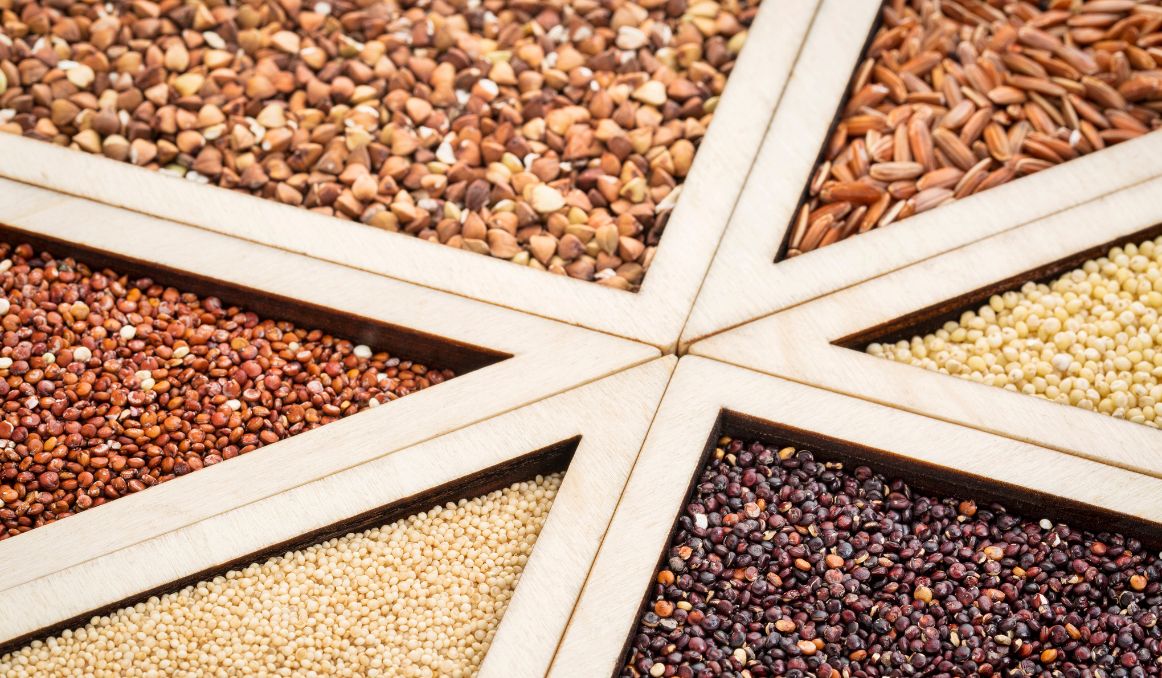
The most common grains used for gluten free beer are:
- Millet
- Buckwheat
- Rice
- Corn
Because each of these grains is naturally gluten free, it is a simple process then to follow the same steps as a barley or wheat-based beer to brew.
The key is to ensure the grain is malted first to bring all the sugars to the surface of the grain, and then to be sure you get a good grind, especially for smaller and harder grains, to fully expose those sugars in the wort for the yeast to ferment.
Yeast is naturally gluten free, so you have no worries there.
At one point, sorghum was a commonly used grain for gluten free beer, but it has a sour flavor, so many brewers have moved away from this grain.
However, if you are aiming for a gluten free sour beer, sorghum might be the way to go for your batch.
In any event it is worth experimenting.
Non-Alcoholic Gluten Free Beer
Now, to get non-alcoholic gluten free beer, you would simply follow the same process you do for any other non-alcoholic beer.
There are several ways to remove the alcohol from beer once you’ve made alcoholic beer, but that process runs the risk of ruining the flavor of the beer.
The first is to boil and/or distill the alcohol out of the beer. Because alcohol boils at a lower point than water, you will remove most of the alcohol this way.
The second is to use something called reverse osmosis. This process uses a high pressure filter to force the beer through a membrane that separates large molecules from small ones. Alcohol molecules are smaller than the others – flavor and calories included.
If you are attempting dealcoholization, the second process is probably the best.
But, if you would rather go through the non-alcoholic beer process naturally, you could simply choose a low sugar grain like rice or corn, and then manipulate the fermentation process. You can adjust your temperature, pressure, and acidity in your tank and slow fermentation way down.
Think of yourself as a throwback brewer, harkening back to the days when ale was made as a safer alternative to water. Your beer will come in at a very low alcohol content, close to .5%, and you can call it non-alcoholic, light, or near beer.
Of course, if your goal is absolutely no alcohol whatsoever, you could always just non ferment your beer. You would basically be making grain tea, but hey, you won’t have a single drop of alcohol! And if you use a gluten free grain, you won’t have a single speck of gluten.
Remember, it is all about experimenting and seeing what works for you. Have fun with it.
Cheers!
Passionate about the beer and/or wine making process? So are we! If you’re interested in finding out how you can use our technology to control fermentation and monitor your yeast, save work hours and improve the cost-efficiency of your business, drop us a line at [email protected] or check out our product pages:
- Oculyze BB 2.0 (Better Brewing) Yeast Cell Counter App + Hardware
- Oculyze FW (Fermentation Wine) Yeast Cell Counter App + Hardware
Also, you can now get access to a fully functional demo account to test our Web App. Completely free of charge and with no commitment to purchase.
Sources: