Can Yeast Ferment Dextrose? Fungal Functions
With so many alternative sweeteners on the market today, many are left wondering what is good for you and what is bad for you. Further, when we add different sweeteners to our food and beverage, how do they interact?
In the brewing world, we like to experiment with various sweeteners, one of which is dextrose. But the question then is: can yeast ferment dextrose? Or is it a losing battle to experiment?
Dextrose
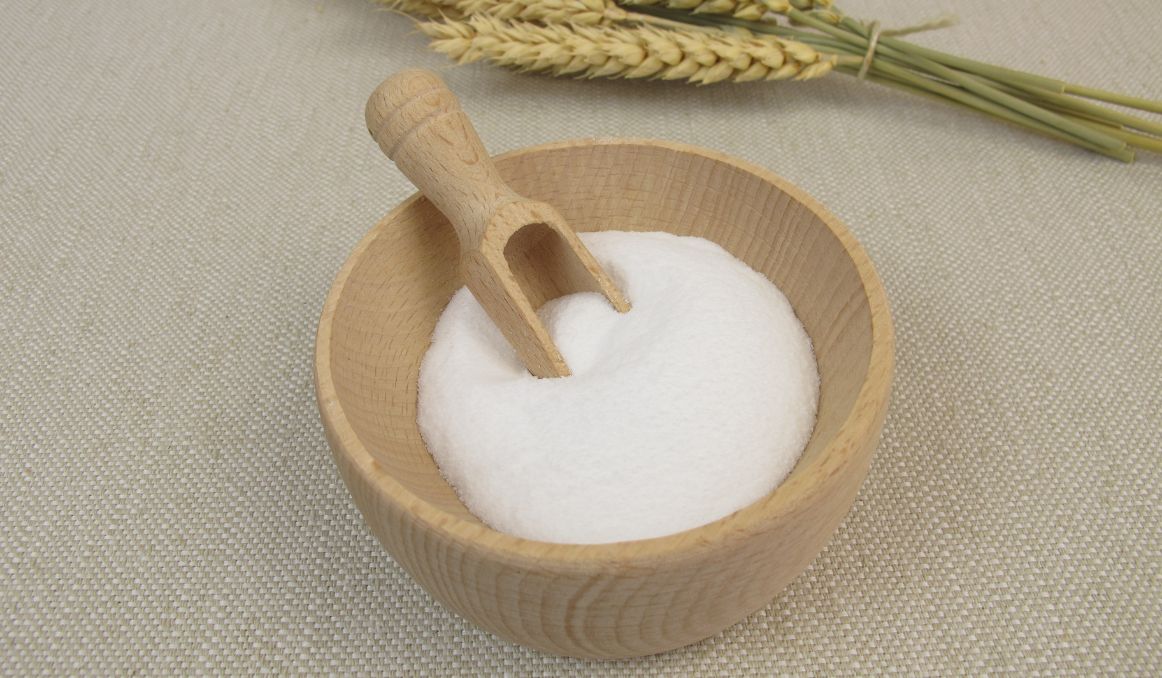
Rest assured. Not only can yeast ferment dextrose, but it actually ferments dextrose first.
Why?
Dextrose is not some crazy alternative sweetener wildly different from other sugars. It is found inside sugar itself.
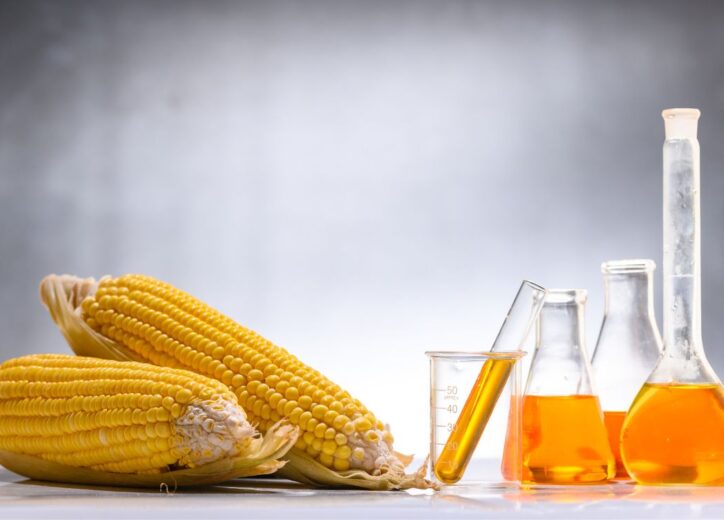
Dextrose is a type of sugar found most frequently in corn and wheat. We can think of it as one half of the whole in what we call “glucose.”
You see, all chemical compounds can have two mirror images called stereoisomers. Naturally occurring glucose has these mirror images. The dominant side is D-glucose and the left-handed side is L-glucose.
D-glucose is an abbreviation for “dextrorotatory glucose,” or “dextrose.”
Dextrose is a simple sugar used as a building block for biological structures or it can be broken down into biochemical reactions. The latter is what happens during fermentation.
Fermentation Breakdown
To understand why yeast ferments dextrose first, it is helpful to understand the steps leading up to fermentation and the critical work that yeast does.
In beer, the most commonly used grains are a combination of barley and wheat. Wheat naturally has dextrose.
The first step with these grains is to roast, kiln, or “malt” them to convert or modify the physical structure of the barley and wheat grains. The malting process activates a series of enzymes so that the sugars are more readily used in the mash.
Then, the grains are ground, or cracked open to expose all those readily available sugars.
Those cracked grains are then “mashed in,” or boiled in filtered water and steeped for hours in order to get the grains fully soft and pliable, releasing all the sugars into the water.
Now you have what is called “wort.”
Yeast
If the process was halted here and nothing else was done, you would simply have barley or wheat water. Nutritious, yes, but not alcoholic in the least and not “fermented,” which is the end goal.
Yeast is the most fundamental aspect of beer because it ferments the wort and creates alcohol.
It does this because that is its only job in nature.
Yeast, present on earth since the very first life forms sprung forth, is a living organism that reproduces and stays alive only because of the existence of sugar.
If there was no sugar, there would be no yeast. The yeast would all die off.
And remember, sugar comes in many forms, we are not talking about simply cane sugar here.
Sugar is present, naturally, in fruit and other plants as well as in grain. Yep. Starches are filled with sugar.
Hence, the presence of dextrose in wheat.
So, when yeast is added to a wheat beer, the yeast is instantly attracted to that dextrose.
As a simple sugar, dextrose is the one that burns up quickest, it is the first in line to be used by the body and by any other organism ready to consume and convert it, like yeast.
Yeast, being in a constant state of seeking sugar, will find the dextrose in the wort first and get to converting.
Once all the dextrose has been consumed and converted, yeast will move on to other, more complex sugars, and continue fermenting until it has either gotten to all of the sugars or it has created so much alcohol that the alcohol kills off the yeast, completing the fermentation process once and for all.
Which Sugars Can Yeast Ferment?
Thus, in the end, yes, yeast can ferment dextrose. Indeed, it loves to ferment dextrose. You could even say it prefers dextrose above all other sugars.
Other fermentable sugars are glucose, fructose, sucrose, maltose, and maltotriose.
You will find these sugars in the wide range of naturally occurring sugary and starchy foods like fruit, grains, root vegetables, molasses, cane sugar, and so on.
In short, yeast will ferment all monosaccharides, simple sugars. And most more complex sugars can be broken down to their monosaccharide form for yeast to ferment.
That’s why we malt, crack, and boil grains before exposing them to yeast, so they can easily get to the simplest forms of those sugars.
Sugar Alternatives
Yeast will not ferment actual sugar alternatives, however, like Stevia, aspartame, or xylitol, as those compounds are not actual sugars. They are merely sweeteners.
Stevia and Xylitol will not caramelize the way sugar does, nor will it malt and break down into simple sugar.
Yeast can only metabolize sugars, so it will not even attempt to consume those sugar alternatives. If you try it in beer, wine, or even bread, you will be left without fermentation.
Sweet but not Fermented
Some brewers and bakers will still use Stevia or another alternative sweetener with no actual sugar compounds in their batches, but not for fermentation purposes.
Instead, they will ferment as usual, with merely the grain or the fruit, and perhaps even some added sugar to increase the alcohol level, and then they will add Stevia or xylitol after fermentation is complete if additional sweetness is desired.
This extra sweetness is where sugar alternatives can be helpful alongside fermented foods and drinks, as adding sugar will typically extend fermentation and increase alcohol content.
So, ultimately, if you are looking for fermentation, you want dextrose, which is why wheat is a great addition to any beer, even in small amounts. But if you want sweet, you can explore your sugar alternatives.
Cheers!
Passionate about yeast fermentation and all the wonders it can do? So are we! If you’re interested in finding out how you can use our technology to control fermentation and monitor your yeast, save work hours and improve the cost-efficiency of your business, drop us a line at [email protected]
Also, check out these product pages, if you’re into beer or wine making:
- Oculyze BB 2.0 (Better Brewing) Yeast Cell Counter App + Hardware
- Oculyze FW (Fermentation Wine) Yeast Cell Counter App + Hardware
…or our custom solution page for other use cases (yours included):
Also, you can now get access to a fully functional demo account to test our Web App. Completely free of charge and with no commitment to purchase.
Sources: