Wine Yeast vs. Bread Yeast
If you’ve been in the baking, brewing, or winemaking worlds for any amount of time, you’ve likely heard at least one person say, “yeast is yeast.” What’s the difference, anyway? It’s all just… yeast, right? If you want to bake bread, brew beer, or make wine, you just crush everything up and throw some yeast in there. Any old yeast will do. Right? Not so fast. When it comes to wine yeast vs bread yeast and even brewer’s yeast, there are actually many differences. Let’s look at them.
What Is Yeast?
First, what is yeast?
Yeast is a single celled living organism from the fungi family that is millions, if not billions, of years old. It is a eukaryotic organism, which means its nucleus is contained within its cell walls. Scientists believe that yeast actually evolved from bacteria, prokaryotes, out of a biological imperative. Prokaryotes had trouble feeding and reproducing with their uncontained nuclei, and the contained nucleus performed better.
As a result, yeast were born and continued to evolve over hundreds of millions of years into thousands of strains. Some are more tolerant to cold, some to heat, some are attracted to more sugar, some to grains, some produce more nutrients then others, and so on.
But the vast majority of yeast have one thing in common, they seek out sugary sources, be they fruit, grain, or cane, for energy, use that energy to survive and reproduce (mostly asexually) and then expel water and/or alcohol, carbon dioxide, and hundreds of other secondary metabolites as waste products. We call this process fermentation because it is the chemical transition of making one element into another – a kind of alchemy if you will.
In the absence of oxygen, yeast will produce more alcohol. In the presence of oxygen, yeast will produce more water. Interestingly, because of the creation of carbon dioxide, yeast will form an oxygen free barrier between whatever is fermenting and the air around it. Because of this barrier, you can find naturally fermented fruit and even palm wine in nature.
Wine Yeast
Wine yeast was likely the first discovered by humans. After all, it is the simplest to understand. Local, wild yeast would be attracted to the skins of grapes. As humans collected grapes to harvest and put in the barrels, the crushed grapes would ferment and create what is essentially wine. By the time the owner emptied the barrel of grapes, they would find juice at the bottom to drink. The juice would give them a bit of a buzzy feeling, and the creation of wine was born.
All an early winemaker had to do was crush grapes and leave them out to ferment with the yeast naturally attracted to the grape skins.
The most common wine yeast is the same as the most common yeast for bread and beer – Saccharomyces cerevisiae. There are also several other yeasts still considered wild that are used in wine, often because they are already sitting on the grape skin and fermenting almost as soon as the grapes are crushed. These yeasts include Saccharomyces pastorianus, Saccharomyces bayanus, and Brettanomyces.
It is critical to understand that there are literally thousands of strains of S. cerevisiae, and the few hundred used for wine are all those which are naturally attracted to high sugar content, which means they can also tolerate a higher alcohol content. The higher the sugar, the more food the yeast has to consume, and the more alcohol will be expelled as waste. Wine yeast typically has an alcohol tolerance of 11% to 19%. The yeast must have a high alcohol tolerance or it will die off during fermentation and stop the process.
Bread Yeast
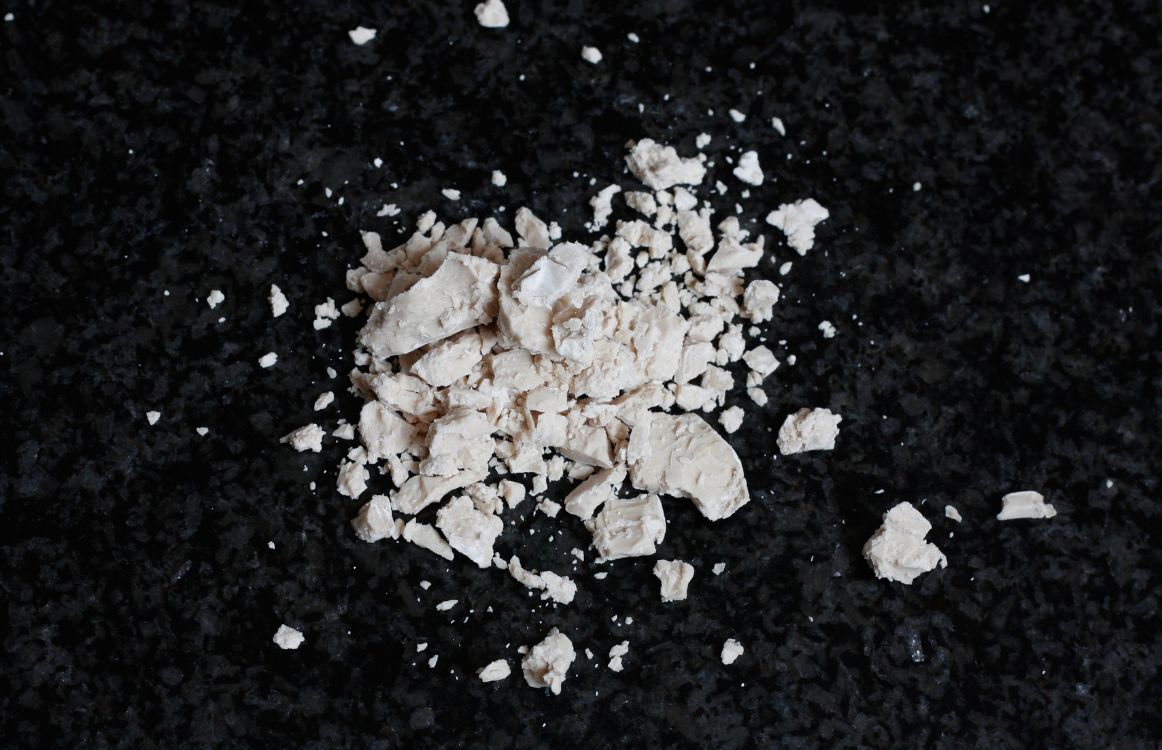
That’s what happens with bread yeast. While baker’s yeast is also Saccharomyces cerevisiae, it comes from strains that are much less tolerant to alcohol and much more attracted to the grainy nutrients and longer sugar chains in wheat and other grains. The sugars in bread are harder to access, even when toasted, so the yeast naturally attracted to it is slower to process the sugars and will produce far less alcohol. Baker’s yeast typically has a tolerance between 1% and 10% at the highest end. Remember, all the alcohol produced will burn off during the baking in any event.
Baker’s yeast also fails to flocculate. Wine yeast must clump together and fall to the bottom or rise or the top of the vessel for removal or the wine will be cloudy. It also clumps within days, maybe a couple of weeks. Baker’s yeast, in contrast, would take several weeks to settle out and even when it does so it will settle in a fine cloud, leaving proteins streaking through wine.
For these reasons, baker’s yeast is not used to make wine, and vice versa.
Brewer’s Yeast
Interestingly, brewer’s yeast can be used to make bread, baker’s yeast is used to make beer, and wine yeast is often used to make beer. Beer is kind of the chameleon among the fermented foods and beverages and can take on the flavors, aromas, and alcohol contents of pretty much any yeast. While some might shudder at the thought of using baker’s yeast in beer, recently craft brewers have been not only experimenting with baker’s yeast for its bready notes but also with actual bread.
That’s right. Crumbs Brewing, for instance, has been experimenting with using breadcrumbs instead of malt, amounting to about a slice of bread per pint, leaving drinkers with hints of bread and toast while they enjoy their beer. The reviews have come in strongly in favor of this process, so they must be on to something.
In the end, it does make a difference which yeast you use and how you work with it, whether you are making wine, beer, or bread. So, while “yeast is yeast” is technically true, it is also much more complicated than it sounds.
Cheers!
Are you still pitching fresh yeast every time? By reusing your yeast, you can save up to hundreds of thousands of dollars per year on just yeast alone!
Join the hundreds of brewers and vintners from all around the world using the Smartest Automated Yeast Cell Counter! Request a Free Demo Account today and experience firsthand how Oculyze can take your brewery or winery to the next level!
Sources:
- https://blog.homebrewing.org/is-wine-yeast-and-baking-yeast-the-same/
- https://oeno-one.eu/article/view/3240
- https://www.howtohomebrewbeers.com/2017/09/using-baking-yeast-to-make-home-brew.html
Stay on top on important fermentation insights – subscribe to our monthly newsletter and receive a hand-picked selection of our most relevant articles straight to your inbox.
Never miss a beat and get real time updates with a new article each workday by subscribing our social media channels.
Instagram | Facebook | Twitter | YouTube