What Gives Root Beer Its Flavor?
The easy answer to what gives root beer its flavor is sassafras. From its very early origins in the Americas, root beer, in all of its variations, has been brewed with either sassafras or sarsaparilla, both plants native to the Americas.
But what does that mean? What does sassafras taste like?
Well, an easy answer is “vanilla and wintergreen.” It is a flavor that is at once creamy and calming and bitter and crisp.
Unique, in a word.
And the history of root beer has taken its twists and turns to get to what we know as root beer today.
The History of Root Beer
Root beer is a beverage that has its roots in both indigenous American culture and colonial American culture, as well as the interconnected nature of the two.
Indigenous cultures across the globe are well known, almost without exception, for their connection to the land and their relationship with plants.
Without modern medicine, pharmaceuticals, and the internet, indigenous people had to learn what effect each plant had on the body, from nutrition to healing to psychedelics and to death.
Sassafras and Sarsaparilla
Sassafras and sarsaparilla were two plants that grew in abundance from spring to summer and then tapered off during fall and winter, and they have been celebrated among native societies for their medicinal properties for millennia.
Sassafras was used by Native Americans in North America to treat fevers, diarrhea, and rheumatism. It was also used to detox, as a diuretic, to reduce inflammation, including sores in the mouth and throat, body sprains, and even syphilis and urinary tract disorders.
Sarsaparilla has been noted to have quite similar properties – it has been used to treat arthritis pain, skin problems like eczema and psoriasis, and as a blood purifier. It was also used for syphilis, cancer, and liver conditions. Sarsaparilla was used by the indigenous people where it grew in South America, the Caribbean, Central America, and the West Indies.
Both plants were cultivated mostly for their roots, hence the name “root beer,” and were brewed as teas to be taken for medicinal purposes only.
The teas were bitter, so were often served with a sweetener to make the drink more appealing for the patient.
It is an important point here that native people understood that these barks were not meant to be drunk daily as part of a normal diet but used only when needed.
Modern Root Beer
Modern root beer was born when settlers from Europe began immigrating to the new world and interacting with Native Americans.
Colonial Americans saw the indigenous people brewing tea from roots and adopted this highly palatable beverage into a beer.
Because the tradition of “small beers” had been thriving for centuries, settlers turned root beer into another small beer.
Small beers were fermented for a shorter time period or using discarded grain from a previous brew to create a lower alcohol content beer that could be drunk throughout the day.
The sassafras or sarsaparilla bark would be brewed like a grain, left to ferment, and then enjoyed as a small beer.
When a pharmacist named Charles Hires came along in the mid 1800s and enjoyed a locally brewed root beer, he fell in love and asked for the recipe.
He then developed that recipe as a non-alcoholic beverage, and created a powder that could be sold as a root tea to enjoy for miners coming home at the end of the day.
Once he began selling it as “root beer,” it took off.
A few different companies developed their own root beer recipes, and then grew even more successful during Prohibition in the US, when alcohol was prohibited.
Root beer became the go-to beverage for the working-class male looking for a nice refreshing drink after work.
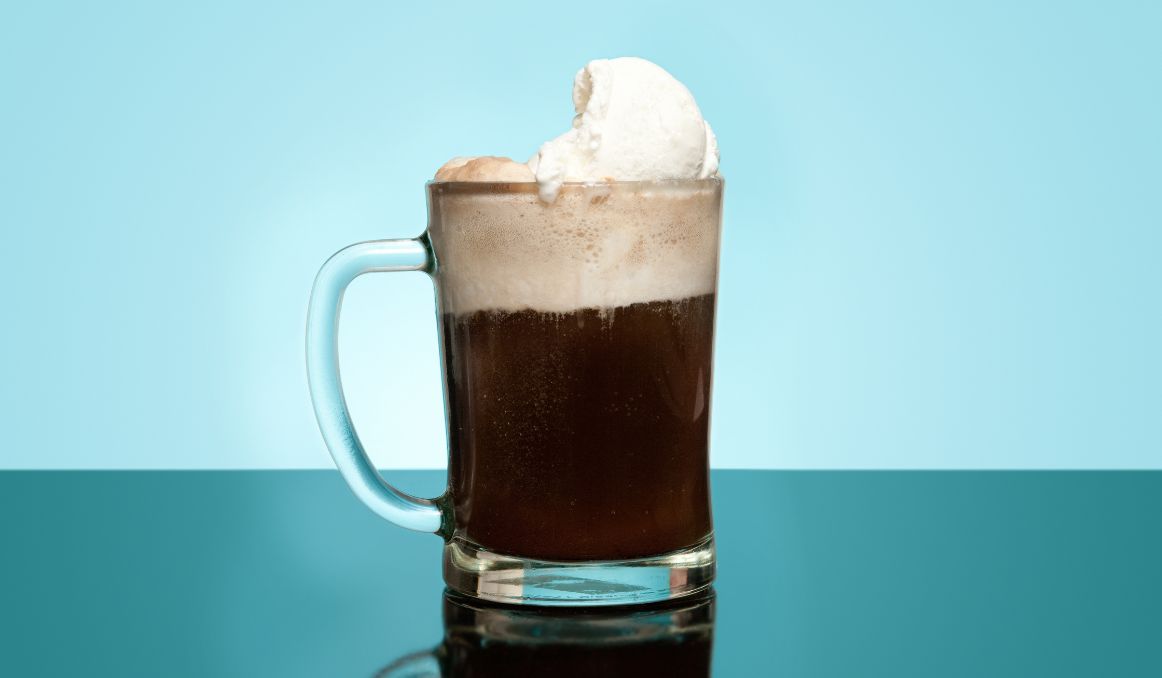
After Prohibition ended, root beer became a classic beverage sold in soda shops around the country, even served over ice cream as a root beer float.
Safrole: Dangerous or Not?
Then, in the 1960s, the Food and Drug Administration in the US performed studies of safrole on mice and found that, in rather large quantities, safrole is a carcinogen.
They essentially discovered what the natives had known all along.
Sassafras was never meant to be a daily beverage. The difference between medicine and poison, like with all things, is in the dose.
Still, many herbalists and functional medicine doctors will argue today that you would have to drink a tremendous amount of sassafras in order to actually induce liver damage. More recently, doctors have mentioned the fact that the enzymes in the livers of mice and rats that turn safrole into a carcinogen don’t exist in humans.
So, it is indeed a highly controversial topic.
You can easily find some people warning you to never ingest safrole and others raving about their homemade root beer recipes made with locally harvested sassafras root.
Modern Root Beer Flavors
All of this to say that modern root beer flavors are most often not going to be from sassafras or sarsaparilla.
Some root beer companies will use root beer extract, or even sassafras root with the safrole compound removed.
But most are instead using vanilla, wintergreen, cinnamon, nutmeg, juniper berries, and other combinations of herbs and spices that get close to the original flavor or sassafras and sarsaparilla.
As a brewer, it would be an interesting experiment to take a look at the ingredients on some of the most popular root beers, particularly small craft brewers and those that include alcohol, and perform taste test experiments.
While the FDA does indeed ban the use of safrole in any food or beverage, it would also be interesting to see a brewer use the actual roots of sassafras and/or sarsaparilla that have the safrole removed to brew an alcoholic or non-alcoholic root beer closer to its indigenous and colonial origins.
After all, experimentation is what brewing is all about, right?
Cheers!
Are you still pitching fresh yeast every time? By reusing your yeast, you can save up to hundreds of thousands of dollars per year on just yeast alone!
Join the hundreds of brewers from all around the world using the Smartest Automated Yeast Cell Counter! Request a Free Demo Account today and experience firsthand how Oculyze can take your brewery to the next level!
Sources:
- https://www.tastingtable.com/949890/heres-what-gives-root-beer-its-unique-flavor/
- https://sprecherbrewery.com/blogs/blog/the-history-of-root-beer
- https://www.diffordsguide.com/beer-wine-spirits/category/270/root-beer
Stay on top on important fermentation insights – subscribe to our monthly newsletter and receive a hand-picked selection of our most relevant articles straight to your inbox.
Never miss a beat and get real time updates with a new article each workday by subscribing our social media channels.
Instagram | Facebook | Twitter | YouTube