Tunnel Pasteurization of Carbonated Beverages
Tunnel pasteurization of carbonated beverages is a concern for brewers across the board. It is an interesting and effective way to pasteurize your brew that avoids a lot of the problems we see in flash pasteurization, but it presents its own challenges. The primary concerns with this approach relate to flavor and aroma, in terms of quality, and carbonation, in terms of removing those wonderful bubbles we expect in our brew. Let’s address each of the concerns one by one.
What Is Tunnel Pasteurization?
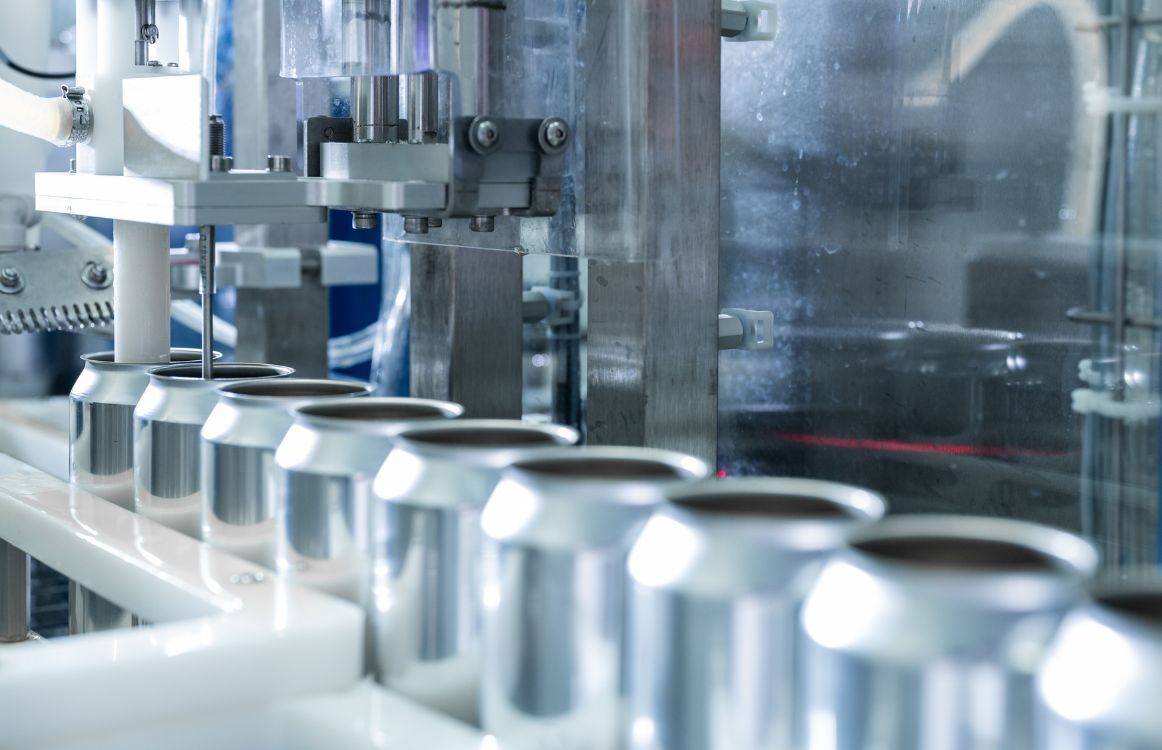
First, what is tunnel pasteurization? Tunnel pasteurization is exactly what it sounds like. For brewers who want to pasteurize their beer, which involves heating up your brew to the point of killing off all contaminants, tunnel pasteurization equipment allows brewers to run already packaged beer through a tunnel that heats up the beer inside the can or bottle for a predetermined amount of time.
The temperature is brought up gradually as the bottle or can passes through the tunnel and hot water sprays onto the exterior of the vessel holding the beer. First, the bottle or can will enter and be held for a certain amount of time, usually 30 seconds, while it is sprayed. Then, it will move into the next stage where it will be held for another 30 seconds and sprayed at a slightly higher temperature.
The bottles or cans are passed through each stage until they reach 165 degrees Fahrenheit, which effectively kills off any unwanted bacteria or contaminants, and then it is quickly cooled down.
Tunnel Pasteurization Vs Flash Pasteurization
The alternative to tunnel pasteurization is flash pasteurization, which is where the brew is heated up before it is packaged. In this case, the entire brew is moved through a pipe that is inside of another pipe holding water. The beer is circulated one way through one pipe while hot water is circulated through another pipe in the opposite direction. Typically, the entire process takes about 20 to 30 seconds, including cool down.
The biggest differences between tunnel pasteurization and flash pasteurization lie in the quality of flavor and aroma and residual contaminants.
With tunnel pasteurization, the beer is heated up for longer, so, while most contaminants are eliminated, many of the characteristics that make for amazing flavor and aroma are also killed off.
At the same time, flash pasteurization allows for possible contaminants to enter the brew after pasteurization and before bottling or canning.
Do You Have to Pasteurize Beer?
It is important to note that you do not have to pasteurize your beer at all if you are not mass producing and shipping your beer across the country. The greatest benefit to pasteurization is not so much that it eliminates contaminants, which alcohol and hops take care of to a great degree. The benefit lies in shelf stability. This advantage is an excellent one for brewers producing on a commercial level, but for smaller, craft brewers, it is largely unnecessary.
Remember, brewers have been making beer for millennia, and it is almost unheard of for beer to make people sick. Alcohol kills 99.9% of contaminants, and hops act as a natural preservative.
Does Pasteurization Remove Carbonation?
Another difference between tunnel pasteurization and flash pasteurization is that tunnel pasteurization is less likely to remove carbonation. While heating the beverage will provide some oxidation, which will remove some of the CO2, you can trust that the beer will still be a fit fizzy when it is popped open. In contrast, flash pasteurization is more likely to remove more carbonation. Of course, with flash pasteurization you also have the benefit of being able to condition your beer by adding in a bit more sugar and yeast, bringing those CO2 levels back up before the beer is opened by the consumer.
Tunnel Pasteurization Equipment
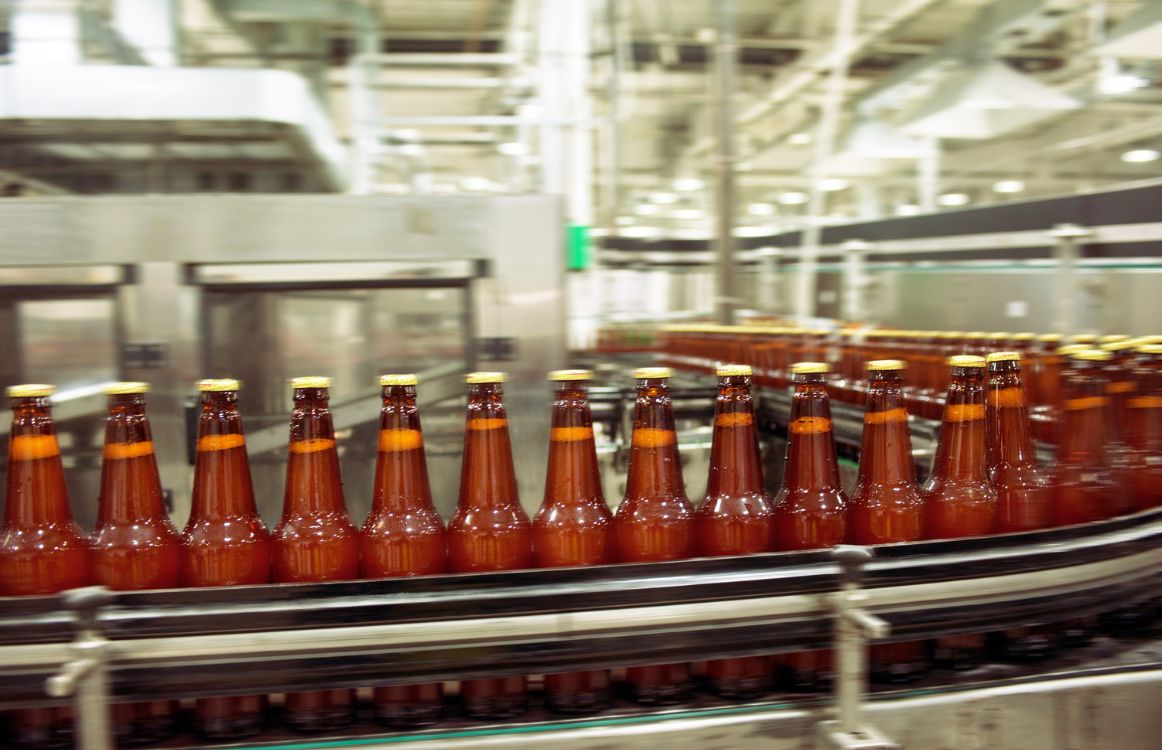
Perhaps the largest downside to tunnel pasteurization, aside from slightly inferior quality of flavor and aroma, is the prohibitive cost of the equipment. The tunnel pasteurizer is a large piece of equipment that includes an enclosed conveyor belt system that passes the beer cans or bottles over belts and mats hooked to roller chains on each side.
On this equipment, you have the infeed, where the bottles or cans enter the machine, the sump, where the water is collected after it sprays, the watertight access ports in each zone, where the beer is held at each temperature, the pasteurization unit monitor and controls, which manage the temperatures, and the discharge area, where the beer makes its exit.
Tunnel Pasteurization of Carbonated Beverages Cost
Tunnel pasteurization equipment can easily cost well into the hundreds of thousands of dollars, and then they are also expensive to maintain. These are not pieces of machinery to take on lightly, and it is worth exploring whether flash pasteurization is more worth it for your brewery, or if perhaps you even need to pasteurize at all.
Again, if you are dealing with a commercial brewery that is mass producing beer to be shipped across the country and internationally, tunnel pasteurization will likely pay for itself at a cost of an extra 3 cents per liter. But for smaller batches, it is probably much easier to invest in flash pasteurization equipment or to skip pasteurization altogether.
Remember, you can follow all necessary protocols to maintain an extremely clean and sanitary environment in your brewery and check on your brew at every step of the way to ensure little to no contamination from unwanted bacteria or toxins. If you are selling to your local audience and even to local markets and pubs, your in-house protocols should be more than enough.
Then, as you grow larger and expand your audience, you can always revisit the need for flash or tunnel pasteurization to keep your brew shelf stable, sacrificing a little flavor in the interest of a larger following.
Cheers!
Are you still pitching fresh yeast every time? By reusing your yeast, you can save up to hundreds of thousands of dollars per year on just yeast alone!
Join the hundreds of brewers from all around the world using the Smartest Automated Yeast Cell Counter! Request a Free Demo Account today and experience firsthand how Oculyze can take your brewery to the next level!
Sources:
Stay on top on important fermentation insights – subscribe to our monthly newsletter and receive a hand-picked selection of our most relevant articles straight to your inbox.
Never miss a beat and get real time updates with a new article each workday by subscribing our social media channels.
Instagram | Facebook | Twitter | YouTube