How to Get Maple Taste in Beer: Details Inside
Maple is a flavor beloved by most people on earth. Anyone who tells you they don’t adore pancakes with maple syrup is either lying or has never had great pancakes with fresh maple syrup.
Thus, it is no wonder that brewers thought to get maple taste in beer.
Maple Syrup
Maple syrup is an all-natural sweetener that adds flavor, complexity, and even health benefits to your food.
It is native to North America, and particularly to Canada and the northeastern states, and the indigenous people have integrated it into their culture for centuries.
Native Americans and Maple Syrup
A couple of legends exist around how Native Americans discovered maple syrup.
The first goes that Chief Woksis of the Iroquois Tribe was out throwing his hatchet one cold winter morning. He threw the hatchet at a maple tree and cracked it open.
The next day, the sun warmed the tree and the sap hiding inside. The sap trickled down the outside of the tree, and the chief and his wife tried it. They loved it so much that the chief’s wife cooked their meat in the sap.
From that point on, syrup became a staple in the Iroquois diet.
The other legend says that the natives discovered “sapsickles” in winter.
Sapsickles are drippings that form once twig snaps off a maple tree. The air is cold so the sap freezes in place, and forms a kind of maple sap popsicle.
The natives found these sapsickles, tried them, obviously fell in love, and have used sap ever since.
Regardless, we have Native Americans to thank for our current love of maple sap and maple syrup.
Maple Sap Versus Maple Syrup
Some people confuse the two: maple sap and maple syrup.
Maple Sap is what pours straight from a tapped tree. You can literally punch a hole in a maple tree during the fall and sap will come trickling out.
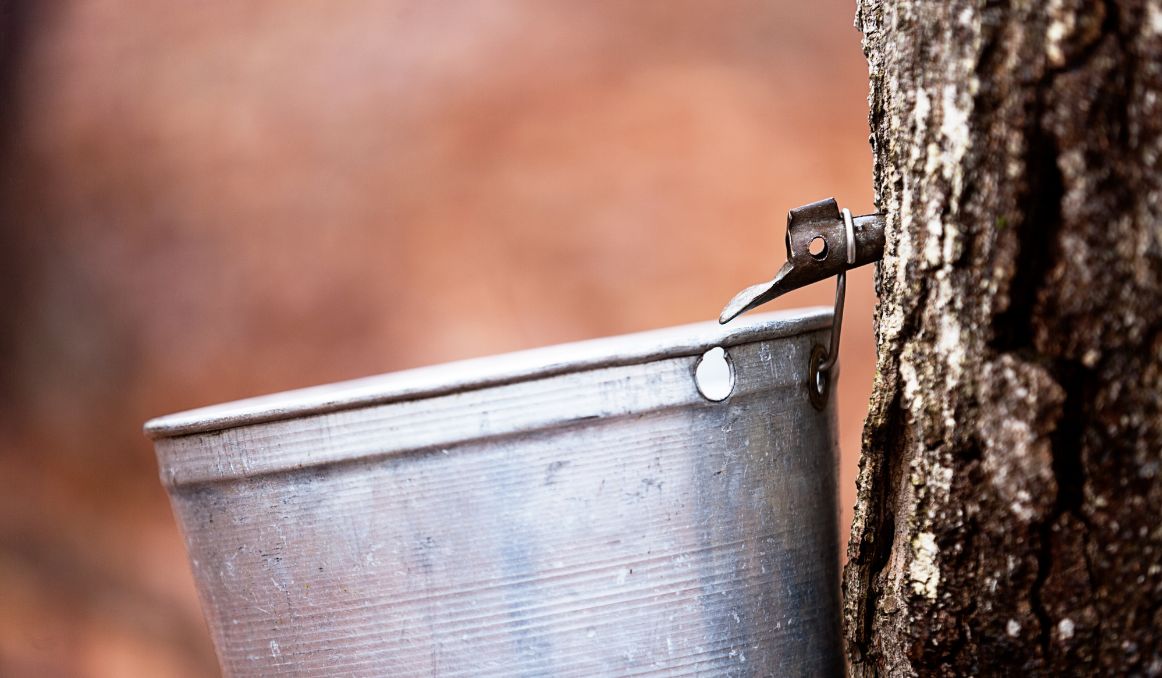
Maple Syrup is a condensed version of maple sap. The tree is tapped, a spout is inserted into the hole, and buckets are placed under the tap to catch the dripping sap. The sap is then brought back to a “sugar shack” where it is boiled down to make a thicker, sweeter version of the sap.
Thus, maple sap is runny, almost watery, so that some people call it maple water. Maple syrup is thicker, but not to be confused with the super thick, gooey substance found on market shelves next to real maple syrup.
Artificial maple syrup usually has no trace of maple syrup in it. Rather, it contains high fructose corn syrup and maple flavored extract. It has zero health benefits and can actually do detriment to your health.
Health Benefits of Maple Syrup
Maple syrup is an all-natural sweetener, much like honey or agave syrup, that is high in many nutrients.
Every spoonful of maple syrup is high in antioxidants, riboflavin, magnesium, potassium, calcium, and zinc.
And while it is a form of sugar, it is lower on the glycemic index than table sugar, which means your body has to do less work to convert it to energy.
So, should you drink a gallon of maple syrup? Probably not. But if you’re having a sweetener in any form, maple syrup is one of the good ones.
Maple Taste in Beer
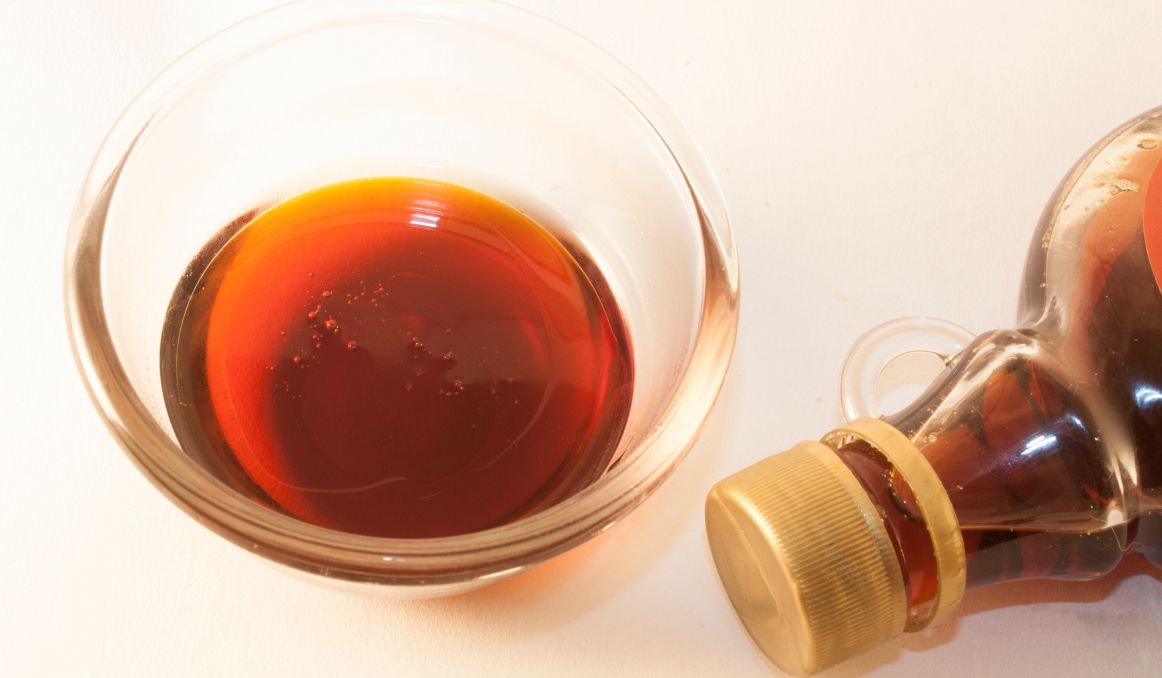
Now, for beer lovers and maple syrup lovers alike, there is no greater combination than maple taste in beer.
Because maple syrup is a dark, rich, and complex flavor, maple should only really be added to darker beers like porters and stouts.
And, because syrup is a sugar, you really don’t want to add maple syrup before fermentation because the yeast will simply consume it all and you will have a much higher ABV as well as a much less sweet beer than you were likely hoping for.
Remember, the basic process for making beer is as follows:
Malt and grind grain, usually barley or wheat, but in the case of a maple beer, an oat beer could be the right way to go. Maple and oat just seem to go together, don’t they?
Boil your grain in water.
Add yeast for the fermentation process.
Now you have beer. At this point, most people add hops to cut sweetness and add bitterness. When it comes to adding maple taste to beer, however, you are looking for more sweetness and less bitterness.
So you may want to ease off on the hops or eliminate them altogether.
Then, you can rack your beer, filter out all ingredients, including skimming off your yeast, and then add the maple syrup.
Now allow time for second fermentation.
Sure, the remaining yeast will consume some of the maple syrup, but you will have so little yeast left, and what is left will be quite tired, that you should still get a good amount of maple flavor in your beer.
Of course, this approach is the most authentic way to get maple taste in beer.
You can also age your beer in maple casks or barrels, or, the last resort, you can add maple extract.
The truth is it depends what you are going for. Are you seeking an authentic, nutrient rich, maple beer? Or are you just looking to add a bit of flavor to the beer, regardless of how you get there?
Either way is fine, just be clear on what your goals are, and how you hope to brand it to your beer drinkers.
The best course, of course, is to experiment, play with ingredients, add more or less, maybe even double up your approaches.
Try the maple syrup approach, and if you’re looking for even more maple taste, age it in maple barrels, and/or add in some extract.
Cheers!
Passionate about the beer and/or wine making process? So are we! If you’re interested in finding out how you can use our technology to control fermentation and monitor your yeast, save work hours and improve the cost-efficiency of your business, drop us a line at [email protected] or check out our product pages:
- Oculyze BB 2.0 (Better Brewing) Yeast Cell Counter App + Hardware
- Oculyze FW (Fermentation Wine) Yeast Cell Counter App + Hardware
Also, you can now get access to a fully functional demo account to test our Web App. Completely free of charge and with no commitment to purchase.
Sources: