How Much Bentonite per Gallon of Wine?
The production of wine at face value seems simple and straightforward. For millennia, our ancestors have simply allowed the yeast on the skins of the grapes to ferment the grape juice and provide us with wine. Even after we isolated yeast from wine and began to cultivate it, for a long time, we just crushed grapes and added yeast. Wine was a part of the daily routine for many cultures and it took many generations of mastering the craft of winemaking to evolve to where we are today.
Now, we consider every aspect of winemaking, every detail, to be a potential for perfection. We look at the grape, the weather, the soil, the yeast strain, and yes, we dig into the alchemical process taking place during fermentation to see what we can perfect there as well. This alchemical process includes the protein stability or instability that lends itself to a cloudier wine than we would like. And that is where bentonite comes in.
What Is Bentonite?
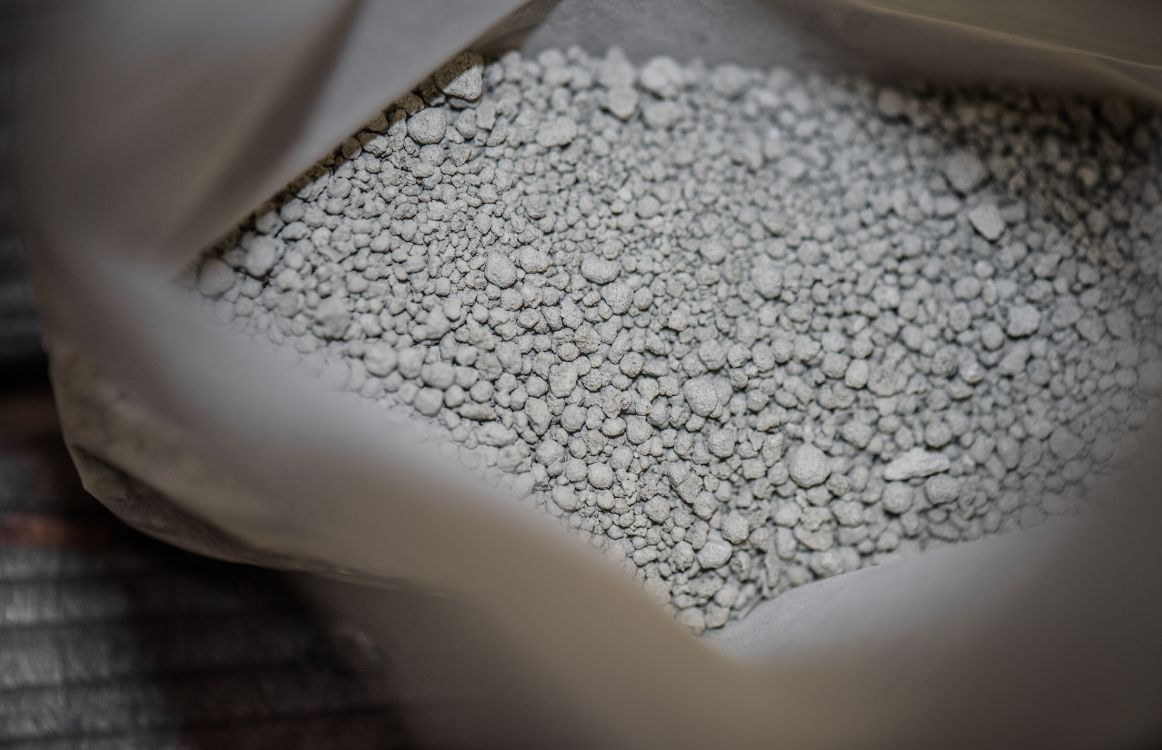
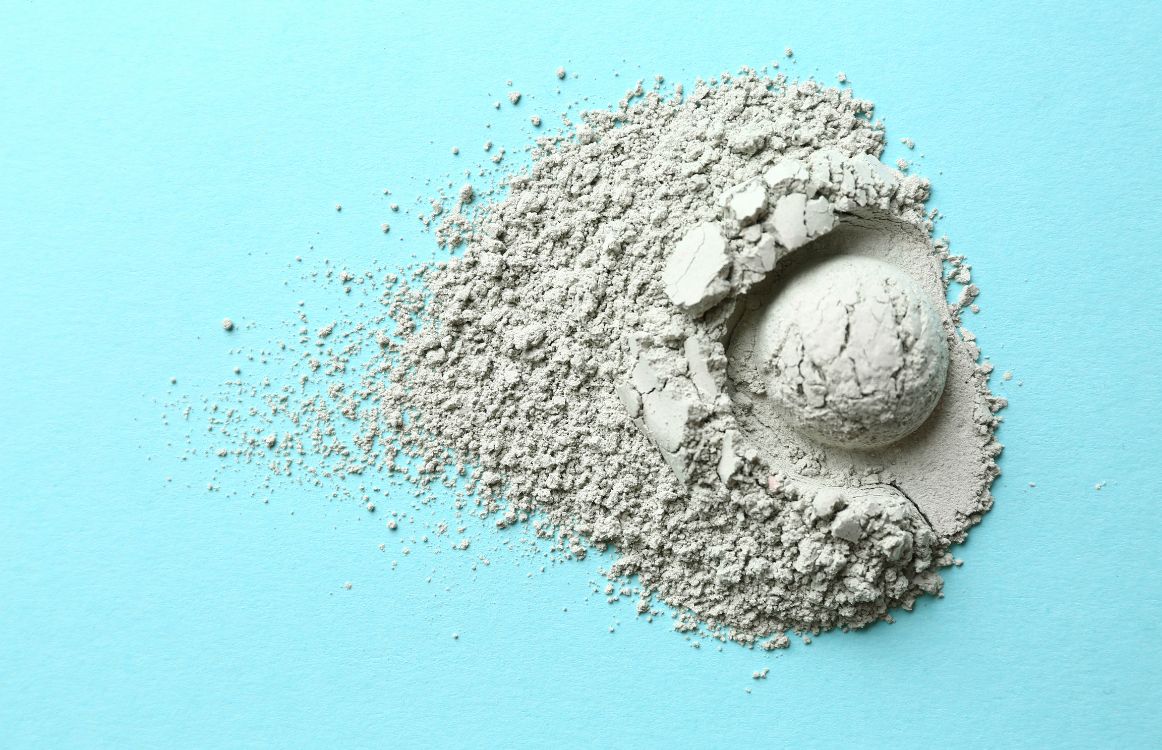
Bentonite is a clay formed from volcanic ash. It is naturally occurring and its basic function is to absorb elements around it. In water, it swells. Sitting in the earth it will take on the attributes to which it is exposed. At the bottom of a pond, it will adhere to the sludge, swell, and ultimately create a more shallow body of water.
Bentonite has been used as a binder for thousands of years. In modern times, we can find it in cat litter, sealants, and even dermatological products in medicine. It is no wonder then that it is used as a fining agent in wine.
The Wine Fermentation Process
Again, we often think of the wine process as simple, but fermentation is actually an incredibly complex process that involves the creation of new elements. Yeast gets into the must (grape juice) and consumes all the fermentable sugar in the wine as an energy source. Then, it converts those sugars to alcohol, carbon dioxide, and hundreds of other secondary metabolites like esters, polyphenols, and proteins that create the delicious flavors and aromas we love.
The problem is that we don’t love all of those metabolites. The proteins created during the winemaking process can at times be unstable and form large strands or clumps that become haze or clouds in the wine. This protein instability is more likely with white and pink wines (or rose) than with red wines, and it is highly undesirable in the wine world.
Hundreds of years ago, it was not much concern. No one complained about cloudy wine. And because the clouds or haze in wine don’t affect flavor or aroma, just the visual aesthetics, there was never a reason to interrupt the protein stability or instability taking place in wine.
However, today, wine connoisseurs seek and expect clarity in wine, and winemakers work hard to meet those expectations.
How Bentonite Is Used in Wine
As a binder, bentonite clay is the perfect treatment to get wine clear. Bentonite is added to wine as a fining agent before fermentation, then, as fermentation takes place, the bentonite will cling to the unstable proteins, form large clumps, and fall to the bottom of the vessel, allowing the winemaker to rack the large clumps out. The end result is a clear wine.
Do You Have to Use Bentonite?
Again, bentonite is used for visual purposes alone. If you have a red wine, or you want to experiment with cloudy wines, you do not have to use bentonite. There are also alternatives to using bentonite for creating clarity. You can heat your grape juice quickly in a type of flash pasteurization before fermentation, which will force unstable proteins to bind together and fall to the bottom of the vessel after cooling down.
Some winemakers do not want to use bentonite because accidentally adding too much can result in the loss of flavor, aroma, and even color in the case of red wine. This loss can be a huge drawback. Alternatively, using too little will result in a still cloudy wine that you cannot clear now that the wine has been fermented as the bentonite will bind to other elements of the wine you are trying to preserve.
No. You don’t have to use bentonite clay in your wine. In fact, you should not simply turn to bentonite as a catchall for cloudiness and haze in wine.
The better approach would be to submit your must to heat first, then submit it to a heat test, also called a bentonite fining trial, which can tell you how unstable the proteins in your wine might be. Then, you can decide whether to use bentonite clay and how much.
How Much Bentonite per Gallon of Wine
If you do decide to add bentonite, the general rule is to add 1 to 2 teaspoons of bentonite clay per gallon of wine. Before you add the bentonite, you should create a slurry with water, just like you would create a roux with flour and butter before adding it to broth to make a sauce or gravy. Mix bentonite with hot water and stir vigorously so that all of the bentonite dissolves and creates a thick sauce-like substance.
Some will advise you to allow the bentonite slurry to sit overnight, but there is no science behind this recommendation and indeed you are only putting your slurry at risk of bacterial contamination. You can add the slurry as soon as it is completely dissolved and without lumps.
After about a week of fermentation, you can filter the bentonite out of the wine in the large clumps it has formed with your unstable proteins by racking the wine.
Cheers!
Did you know that propagating wine yeast can help you significantly reduce production costs? Join the hundreds of vintners from all around the world using the Smartest Automated Yeast Cell Counter to save thousands of dollars in yeast and prevent costly issues such as stuck fermentation!
Request a Free Demo Account today and experience firsthand how Oculyze can take your winery to the next level!
Sources:
- https://www.extension.purdue.edu/extmedia/fs/fs-53-w.pdf
- https://learn.winecoolerdirect.com/bentonite/
- https://www.awri.com.au/industry_support/winemaking_resources/laboratory_methods/chemical/conducting-a-bentonite-fining-trial/