Does Wine Continue to Ferment in the Bottle?
It’s a fair question, and one that offers only a complex answer. Does wine continue to ferment in the bottle? Sometimes yes. Sometimes no. And in both cases, it is intentional rather than accidental. So, what is going on with wine fermentation and what makes a seemingly simple process seem so complex?
Winemaking and Fermentation
With wine, it seems so straightforward, right? Grapes get some yeast on them, get crushed, and wine magically appears. The truth is it was once that simple. Indeed, the Egyptians used to attribute the production of wine to magic. We now know that animals like monkeys wait for fruit to ripen and undergo fermentation before eating it so they can get inebriated. Yes, winemaking can be a deceptively easy process.
I say deceptive because monkeys are obviously not sitting around talking about how this or that wine is too bitter, not creamy enough, or needs a bit more depth of aroma and flavor. That’s the stuff of humans, and we have evolved to evaluate wine for all of its interesting characteristics over time.
In the beginning, we relied heavily on the magic of fermentation to convert our grape juice to wine.
Fermentation Is Simple until Humans get Involved
As a natural process, fermentation is more or less simple. Yeast is attracted to sugar, it consumes the sugar, and it converts the sugar to ethanol, carbon dioxide, and hundreds of secondary metabolites like esters, phenols, and micronutrients.
What makes it more complex is human involvement.
There are hundreds of different strains of wine yeast, stemming from either Saccharomyces cerevisiae or Saccharomyces pastorianus. Those strains can demand warmer or cooler temperatures, more or less sugar, and longer or shorter periods of time to come to completion.
Over the thousands of years since humans have been making wine, we have been playing with the dynamics of various yeast strains and the elements that affect the fermentation process and the ultimate outcome.
Humans Experiment with Fermentation
Humans have learned to grow sweeter grapes and to pick them later in the harvest season to get the most sugars into the must.
We have discovered the power of the weather to produce sweeter grapes.
We have learned of the importance of the soil in which the grapes grow, or the “terroir.”
And we have experimented with leaving the skins, stems, and seeds in the must while it ferments versus removing the sediment immediately.
And of course, we have explored all of the options when it comes to fermentation – temperature, sugar, length of time, and various strains of yeast.
What we discovered, in general, is that the longer yeast is allowed to ferment with more sugar, the more alcohol we will get, and the more carbon dioxide.
However, while the alcohol will remain in the wine, the carbon dioxide will not, which led us to experiment still further with fermentation.
Types of Fermentation
In the end, winemakers have found various approaches to fermentation that will dramatically change the makeup of the end product.
Cultured Yeast
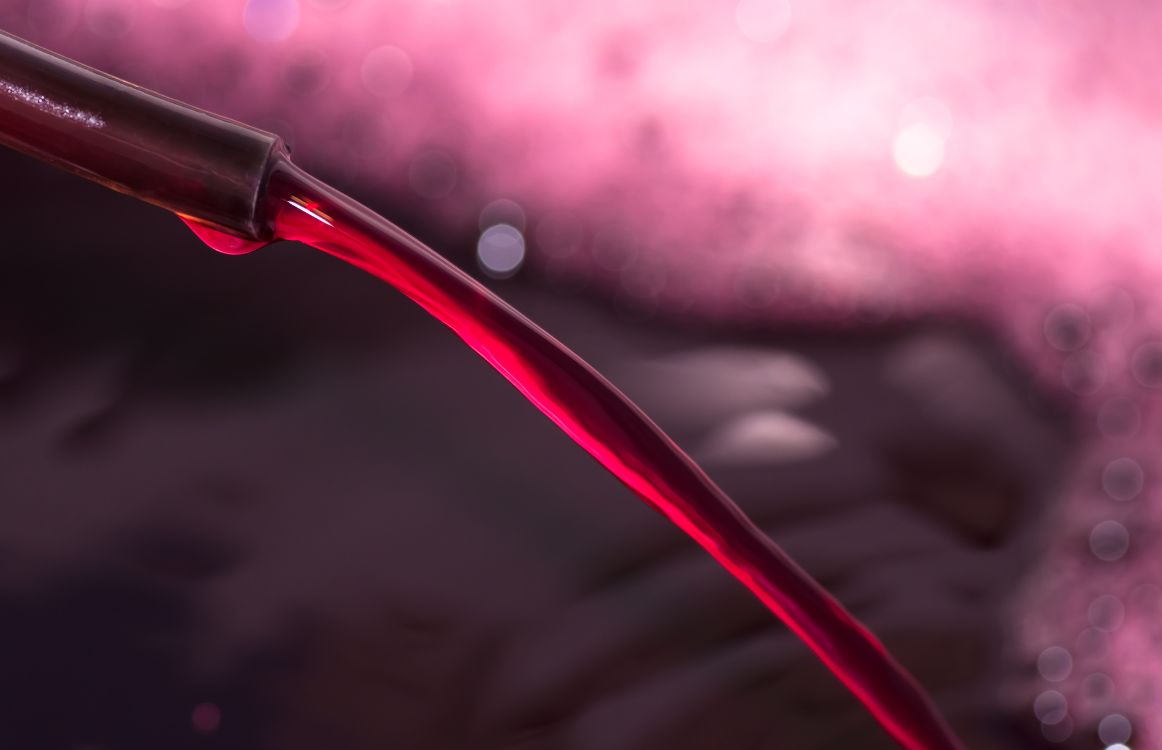
The first and most basic type of fermentation is the one practiced in most winemaking today. A cultured yeast, meaning one that has been cultivated and grown in a lab, is added to the must after vintners make sure the grape juice is clear of all unwanted material. The yeast consumes the sugar and produces alcohol and CO2, along with the secondary metabolites that give us aroma, flavor, body, and mouthfeel.
Malolactic Fermentation
Malolactic fermentation, when employed, goes alongside cultured yeast fermentation. This process introduces a type of bacteria that will convert the malic acid in the grapes into lactic acid, which will create a softer, creamier wine that offers up less tartness and more sweetness to the wine drinker.
Typically, malolactic fermentation occurs directly after primary fermentation. It is used more frequently with red wine, which tends to benefit more from this process.
Secondary Fermentation / Bottle Conditioning
Secondary fermentation is quite common in winemaking and brewing alike, and it generally involves a process called “racking.” Racking occurs when the vintner transfers the wine from one vessel to another, usually from the primary fermenter to a cask or barrel to age. After racking, the wine will still have residual yeast and other sediment, which, after having been agitated during the transfer, will revitalize and perform a “clean up.” This clean up, or mopping up, allows the yeast to essentially consume and convert all the off flavors and unwanted chemical compounds in the wine and leave behind a smoother, cleaner end product.
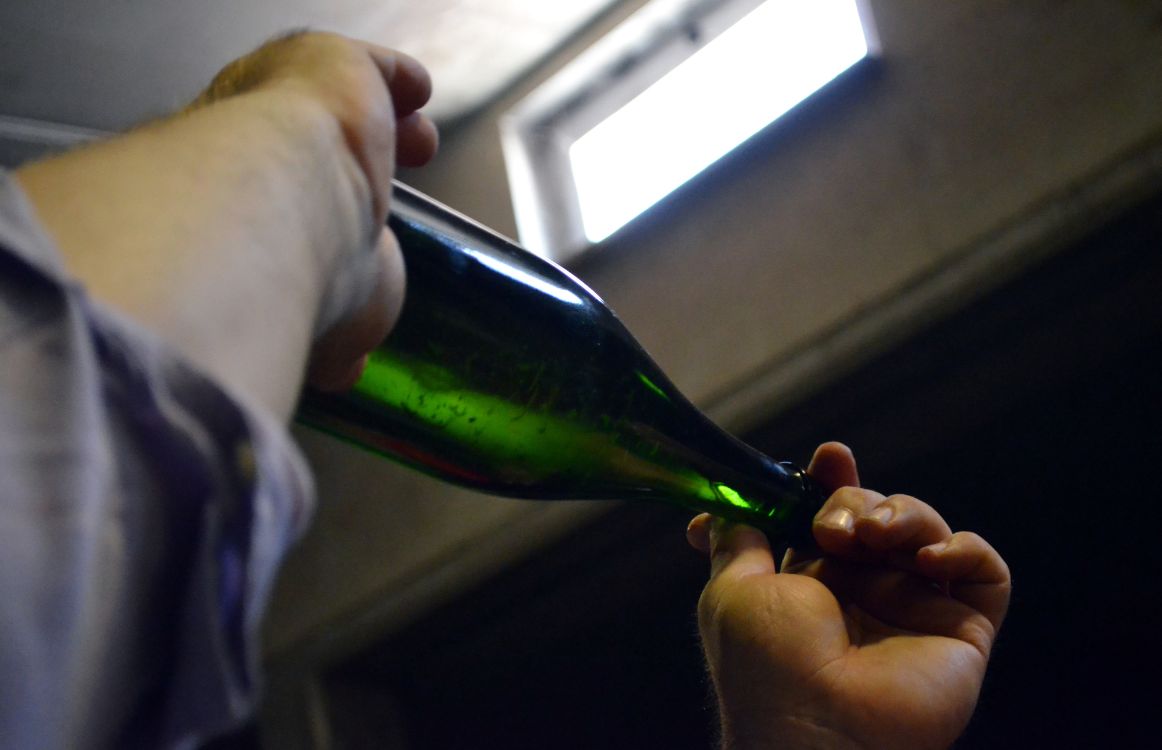
Bottle conditioning is a version of this secondary fermentation process wherein the winemaker will add a bit of sugar and yeast to the bottle right after it is filled with the wine to restart the fermentation process. This addition is done to make sparkling wine as the yeast will produce carbonation that will then become trapped in the bottle.
In both cases, the yeast is removed from the cask, barrel, or bottle before it is sent to the market.
Carbonic Maceration / Wild Yeast
Finally, carbonic maceration is perhaps the oldest form of fermentation in which the yeast already on the grape, wild yeast, is allowed to ferment the must. No cultured yeast is added and the resulting wine is much closer to the wine our ancestors would have drunk than anything else you might drink today.
Does Wine Continue to Ferment in the Bottle?
Ultimately, yes, wine does continue to ferment in the bottle when the winemaker adds sugar and yeast for conditioning. At the same time, no, wine does not continue to ferment in the bottle after it has been sent to market as the yeast will have been removed.
Any sediment you find in your wine bottle is unlikely to be yeast, and if it is, it is long past dead from either the high levels of alcohol or the temperatures at which the bottles are kept.
Cheers!
Did you know that propagating wine yeast can help you significantly reduce production costs? Join the hundreds of vintners from all around the world using the Smartest Automated Yeast Cell Counter to save thousands of dollars in yeast and prevent costly issues such as stuck fermentation!
Request a Free Demo Account today and experience firsthand how Oculyze can take your winery to the next level!
Sources: