Beer Filtration Methods
Beer filtration is a relatively new phenomenon on many levels. Sure, our ancestors filtered out the grains and herbs to offer a sediment free beer, but in terms of removing every single detectable particle, this process has only begun since the age of industrialization. Today, we have multiple approaches to achieving the goal of beer clarity, so it is worth exploring the various beer filtration methods.
Why Filter Beer?
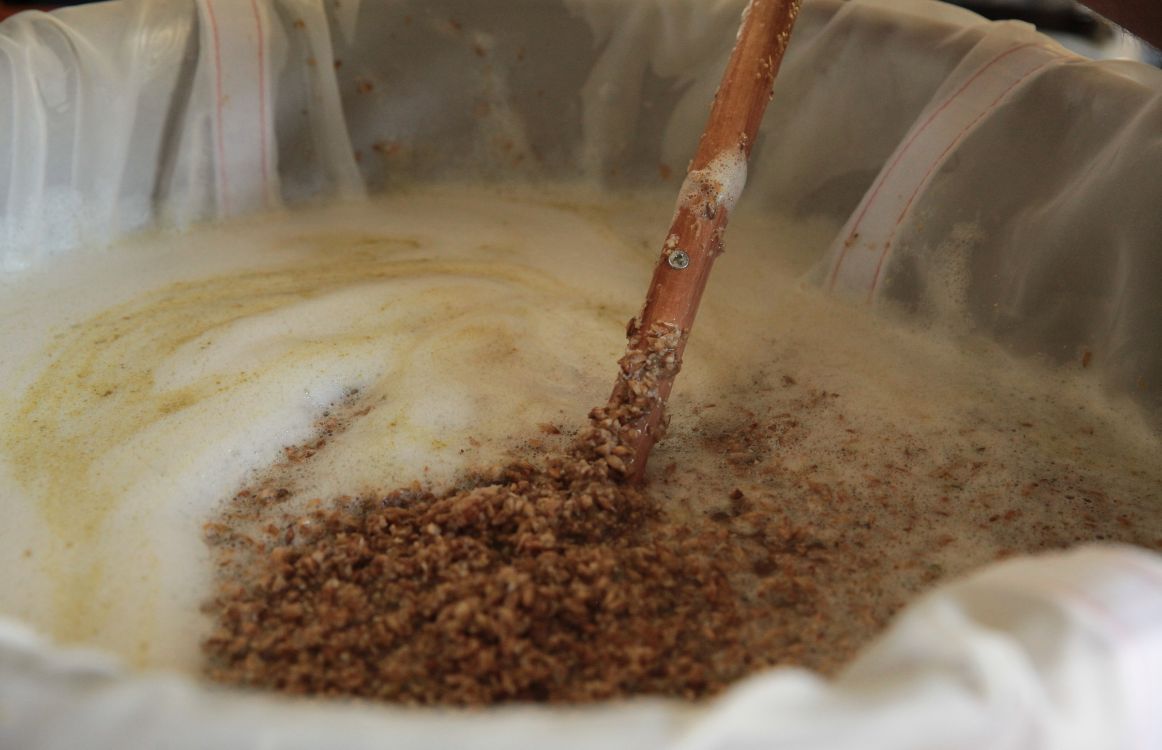
For thousands of years, we filtered beer so that beer drinkers did not end up with large chunks of herb, flower, or grain in their mouths while they drank. The brewer could harvest grain, toast it, crack it, boil it, add hops, and then strain all the liquid through a cheesecloth.
Then, fermentation would take place naturally, and perhaps, once the process was done, the brewer would run the beer through another cheescloth to catch the trub and the flocculated yeast.
At this point, the beer would be considered filtered.
Then, the Industrial Age struck in the 1800s, and with it came Louis Pasteur and his discovery of germs.
From that point on, the fear of bacteria and hyperfocus on hygiene has only grown.
While lessons in hygiene have done us undeniable favors like lowering the infant mortality rate and lowering the number of deaths during surgery or due to medical malpractice, they have also been taken to the extreme.
We now know that the overuse of antibiotics and anti-bacterial soaps have led to superbugs that are now resistant to those precautionary measures.
Thus, we now have on our hands the question of how much filtration in the name of cleanliness is necessary, and what we are sacrificing in the trade off.
After all, when we filter beer too much, we are also filtering out esters, polyphenols, and proteins that lend themselves to the flavor and aroma of beer that we love so much.
An example of highly filtered beer would be the traditional lagers from the Americas like Budweiser or Corona. They are well known for their extreme clarity, as well as for their extreme lack of flavor.
The brewer then is left to decide whether and how much to filter.
Types of Beer Filtration
Depth Filtration
Depth filtration is employed by the introduction of a media into the beer that binds itself to large particles suspended within the beer, usually yeast and proteins but also often polyphenols and esters. Diatomaceous earth and perlite are the two most common forms of binding agents used for depth filtration. These media come in the form of powders and must be handled with care. Brewers must wear protective gear, including face masks, as these agents can be inhaled and bind to particles in the lungs and other organs if they are ingested. These agents also tend to be on the expensive side.
Surface Filtration
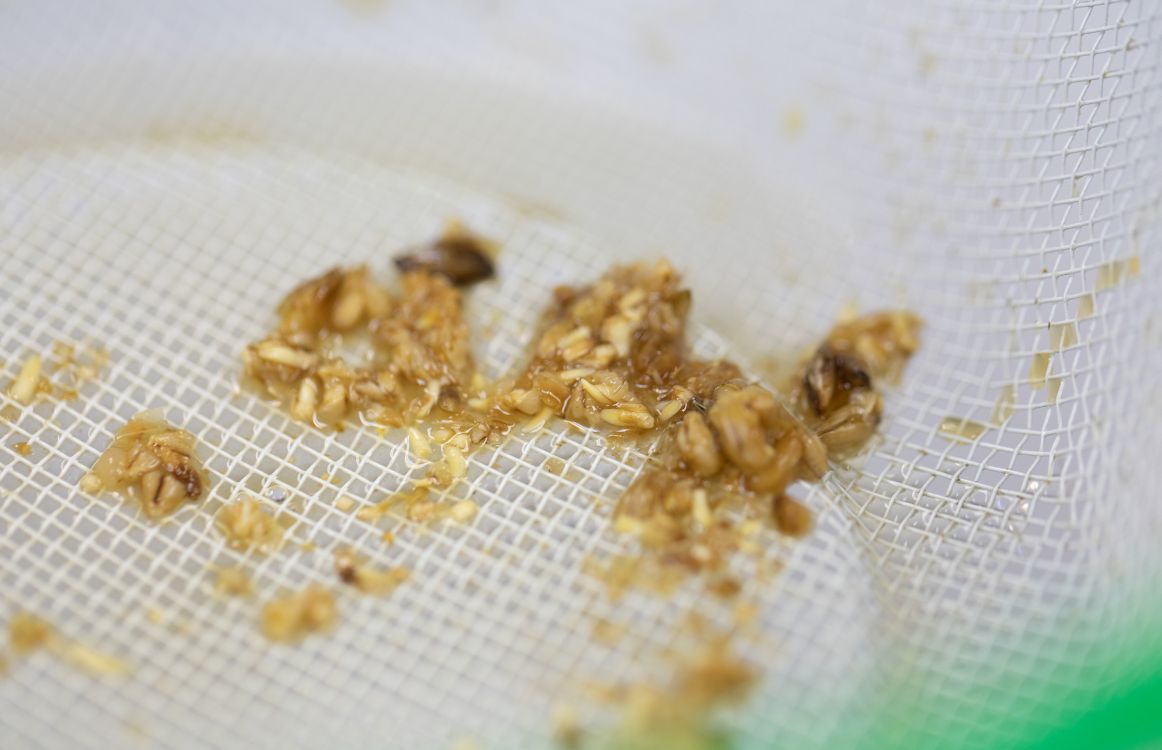
Surface filtration is just what it sounds like. A mesh screen, the modern version of cheesecloth, comes in various sizes, from 5 microns and higher for larger filters down to .5 microns and lower for smaller filters. The larger filters will catch larger particles but leave the much-desired yeast and other tannins in the beer while the smaller filters will catch even the yeast and other small particles, but also remove flavor and aroma.
Single or Double Pass Filtration
Brewers then have to decide if they want to simply run the beer through a single filter or do a double pass. You could filter your beer twice through a larger filter just to be sure you catch every fiber of hops or other larger particle that might have been left behind but avoid the smaller filter so as to leave the majority of what adds character to your beer.
Alternatively, you could run the beer through a large filter and then through a smaller filter in order to catch everything possible.
Triple Filtered Beer
Some brewers will even triple filter beer to get maximum clarity. This process could involve using depth filtration and then two types of surface filtration. Many mass-produced beers are triple filtered and proud of it.
Again, the risk you run every time you filter your beer is the removal of flavor, aroma, and character.
Filtration Systems
Most surface filters are inline canister filters that have an element that can be removed and replaced when the screen gets clogged. You can also change the size of the screen according to your needs.
Most craft brewers will recommend you start with a large filter and aim not to go below .5 microns at your smallest filter so as not to remove the essence of your brew.
The Alternative to Filtering Beer
There is, of course, an alternative to filtering your beer, at least at the lowest level. You could practice as our ancestors did – filter out the larger, solid sedimentary particles and then simply allow your beer to age.
The aging process allows any remaining yeast to mop up undesired off flavors and leftover particles and then drop to the bottom of the vessel or flocculate on top. Basically, beer knows how to clarify itself when it is left up to its natural processes.
In any event, it is worth experimenting with natural filtration methods that may take a bit longer as you may be able to preserve some of your young healthy yeast with the first filtering step, and then save money by allowing the remaining yeast to do its job.
For brewers large and small, it never hurts to save some money.
Cheers!
Are you still pitching fresh yeast every time? By reusing your yeast, you can save up to hundreds of thousands of dollars per year on just yeast alone!
Join the hundreds of brewers from all around the world using the Smartest Automated Yeast Cell Counter! Request a Free Demo Account today and experience firsthand how Oculyze can take your brewery to the next level!
Sources:
- https://beersmith.com/blog/2010/08/27/filtering-home-brewed-beer/
- https://www.globalfilter.com/beer-filtration/
- https://beerandbrewing.com/dictionary/5MrUJTLOWe
Stay on top on important fermentation insights – subscribe to our monthly newsletter and receive a hand-picked selection of our most relevant articles straight to your inbox.
Never miss a beat and get real time updates with a new article each workday by subscribing our social media channels.
Instagram | Facebook | Twitter | YouTube