Are Hard Seltzers Healthier than Beer?
It’s a fair question. If you’ve been wondering, “are hard seltzers healthier than beer?” you’re not alone. With the marketing telling you that hard seltzer only has 100 calories (per can) and that it’s gluten free, you might think of hard seltzer as a health drink. Meanwhile, beer is just that beverage that makes you feel bloated.
So, what’s the truth?
Well, the truth in this case, as in most cases, is subjective. There are many factors to consider, and most of those have to be considered based on the individual doing the drinking.
First, let’s break down what each beverage is made up of; then we can take a look at health considerations.
What Is Hard Seltzer?
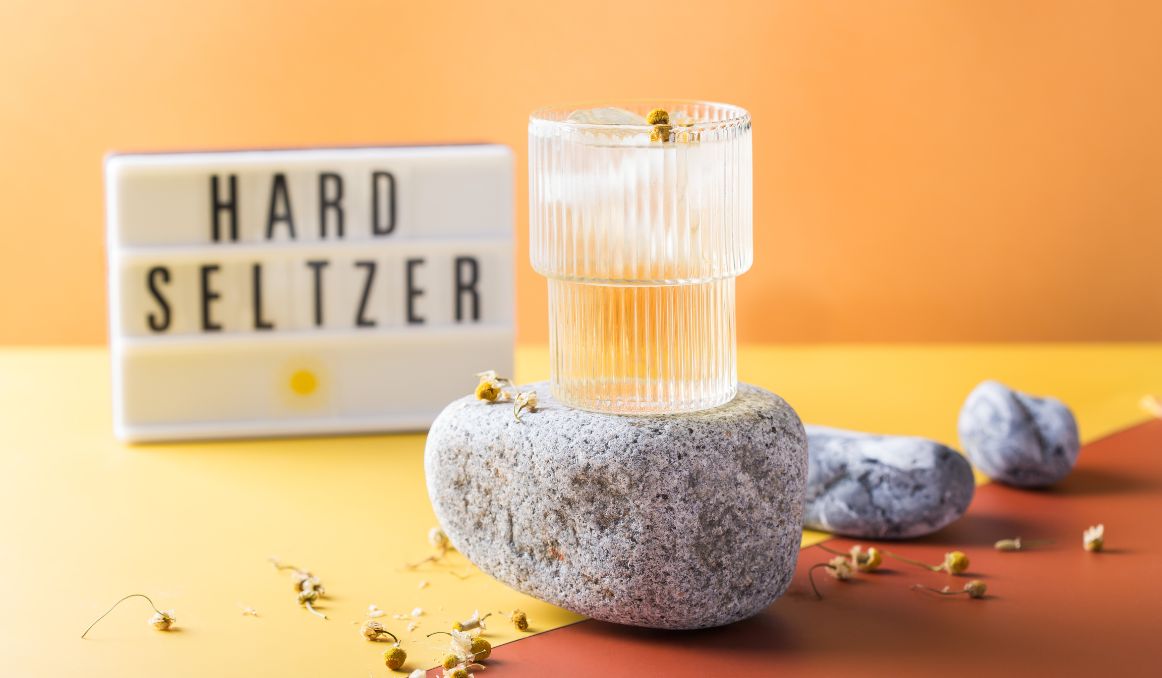
A hard seltzer is a very straightforward, simple drink.
Cane sugar is washed and rinsed and then boiled in water to dissolve it.
That sugar water is then fermented by yeast.
The result is an alcoholic beverage that has cloudiness from the proteins in the yeast as well as flavor and aroma profiles imparted by yeast.
Thus, the beverage is highly filtered to make it clear, odorless, and flavorless.
Finally, flavor and carbonation are added. The flavor is typically a fruit or fruit extract of some sort.
To be clear, there is zero nutritional value in hard seltzer. It is an alcoholic sugar water beverage. It cannot even be said to hydrate you as the alcohol will undo any hydration you might get from the water.
What Is Beer?
Beer is much less straightforward in terms of nutrition.
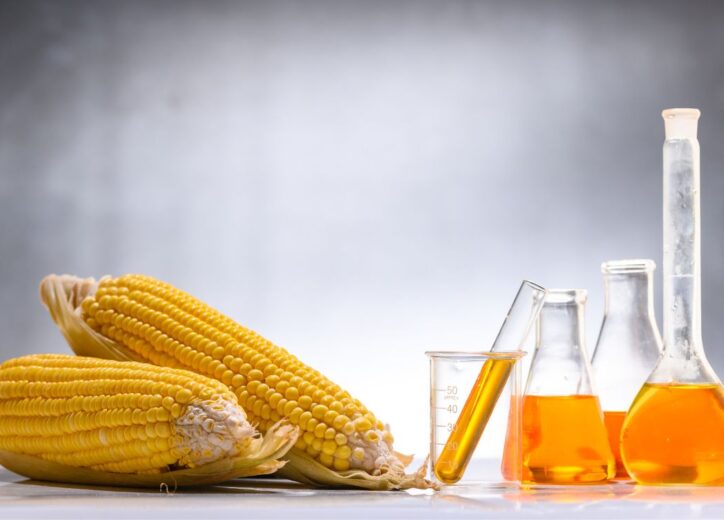
An ancient grain – usually barley, oats, or wheat – is toasted or germinated to unlock its fermentable sugars and then boiled in water to extract those sugars.
During that boil, all of nutritional value of the grain is also extracted into the water.
The grain is separated from the water, leaving what is now called wort, effectively a grain tea of sorts.
Yeast is added to ferment the wort, hops are added to introduce bitterness to the otherwise sweet beverage, and the result is beer.
Cloudiness, flavor, and aroma, are often left unfiltered, especially in craft beers. Other beers, usually commercials brews, are highly filtered and even pasteurized for clarity and quality control.
Beer is packed with antioxidants, B vitamins, folate, niacin, fiber, and even some protein from the barely and hops.
Often, the grain and yeast and/or bacteria in beer also provide both prebiotics and probiotics.
As such, beer holds a tremendously larger nutritional profile than hard seltzer.
Which begs the question, “what is health?”
What Is Health?
Health is a topic around which many difficult discussion are had on a daily basis.
Documentaries are released every year that purport to have the key to health.
Diet books are published by the dozens each year.
Social media platforms are filled with advice and influencers promising the pathway to health.
What does it mean to be healthy?
A general consensus seems to agree that a healthy person maintains a healthy weight (another confusing topic), gets 7 to 9 hours of sleep each night, gets 30 to 60 minutes of cardiovascular exercise each day, manages stress, has loving relationships, and eats a healthy diet.
Healthy Weight
There is so much confusion, anger, and triggered behavior around the topic of a healthy weight, but the truth is, most of us are really clear on whether we are in the danger zone of an unhealthy weight, meaning far too much fat around our midsection, which is an indicator of heart disease and other chronic conditions like diabetes.
The BMI has been in dispute for over a decade, but it is still a roughly good indicator of where your weight should be in order to avoid most diseases and chronic conditions.
Healthy Diet
A healthy diet is another contentious topic, but it is not too much to say a healthy diet is one packed with nutrients and very low in processed junk food.
As food writer Michael Pollan says, “eat food, mostly plants, eat less of it.”
It’s pretty simple to see that the people around the world who eat mostly whole foods, with an emphasis on plants and organic meats are the ones who live the longest.
Thus, a generally healthy person can vary in many ways, but the general guidelines are clear.
Are Hard Seltzers Healthier than Beer?

So, which is healthier then?
If the definition of health is “skinny,” then hard seltzer wins as it comes in at around 100 calories per (330 ml) can while beer packs a whopping 154 calories on average.
But if the definition of health is nutrient dense, then beer wins hands down.
So, again it comes down to what makes more sense to you.
If you’re trying to lose weight, the hard seltzer might be the best option.
If you’re trying to maximize on the nutritional value of everything you eat and drink, you might want to choose beer.
In the end, we also have to keep in mind that the World Health Organization declared recently that no amount of alcohol can be considered “safe.”
In other words, and in that context, neither beer nor hard seltzer is healthy because both do contain some measure of alcohol, typically around 5% ABV.
Again, you have to do what is right for you, make the decisions that make the most sense to your body, and take into consideration all the facts before.
What feels healthy for you may change from day to day.
All we can ever do is our best.
And hey, maybe all of this information will inspire you to craft your own “healthy brew,” be it beer or seltzer, that contains exactly the right number of nutrients or calories that work for you and your loyal following.
Cheers!
Are you still pitching fresh yeast every time? By reusing your yeast, you can save up to hundreds of thousands of dollars per year on just yeast alone!
Join the hundreds of brewers from all around the world using the Smartest Automated Yeast Cell Counter! Request a Free Demo Account today and experience firsthand how Oculyze can take your brewery to the next level!
Sources:
- https://drinktinto.com/blogs/wine-wisdom/how-is-hard-seltzer-made
- https://www.nbcnews.com/better/health/7-science-backed-ways-beer-good-your-health-ncna788986
- https://www.who.int/europe/news/item/04-01-2023-no-level-of-alcohol-consumption-is-safe-for-our-health
- https://www.cdc.gov/healthyweight/assessing/index.html
- https://www.who.int/news-room/fact-sheets/detail/healthy-diet
Stay on top on important fermentation insights – subscribe to our monthly newsletter and receive a hand-picked selection of our most relevant articles straight to your inbox.
Never miss a beat and get real time updates with a new article each workday by subscribing our social media channels.
Instagram | Facebook | Twitter | YouTube