Best Yeast for Cabernet Sauvignon
Cabernet sauvignon is one of the most popular wines in the world, often thought of as ancient and historical. It is grown and fermented in regions across the world, and it produces a very distinct flavor. For new cabernet sauvignon winemakers, a common question is which is the best yeast for cabernet sauvignon. Fear not. We have your answers.
What Makes Cabernet Sauvignon Great
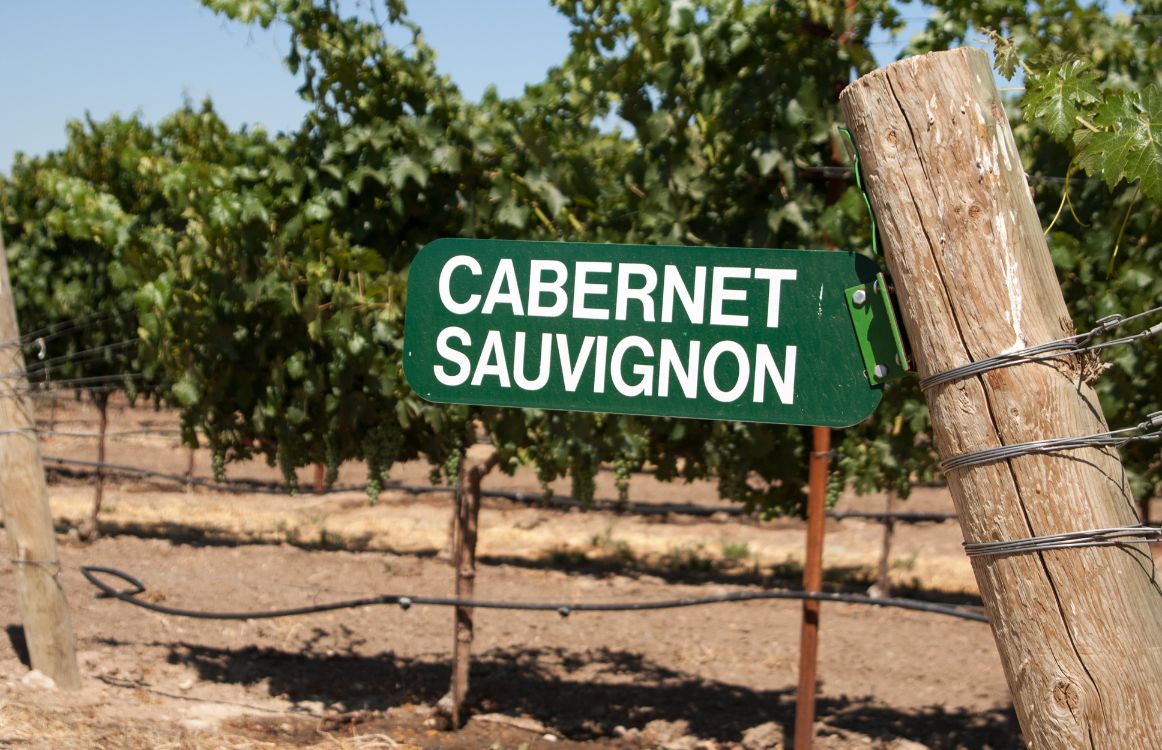
The thing that makes cabernet sauvignon great is its insistence on standing out. The grape is hardy, easy to grow, and adaptable to pretty much any weather. Despite the common belief that this varietal has been around forever, the reality is that it has only been dated back to the 1700s in the Bordeaux region of France.
Agriculturalists believe that the cabernet sauvignon grape is a hybrid of the cabernet franc grape, which is red, and the sauvignon blanc grape, which is white.
It is interesting to think of the likelihood of these two grapes cross pollinating so long ago. All it took was for one grape seed to fall into the planting area of its neighboring grape vines, and a new varietal was born – the cabernet sauvignon.
It may be this hybrid nature that makes the grape so hardy. It will grow in the wet, colder climates of Washington, where it is the most widely planted red wine grape grown in the state. It thrives in Australia, with its red clay soil and dry climate. It has done well in the Mediterranean regions of Italy and France for hundreds of years. And in the 1970s, it won awards in Napa as the best cabernet sauvignon in the world.
Suffice it to say, cabernet sauvignon is a global hit.
The Flavors of Cabernet Sauvignon
In terms of flavor, this red wine is known for its strong and aggressive flavors. It is bitter, astringent, and highly tannic and should be paired with hearty, beefy meals like grilled rib eye steak or beef Wellington.
The grape is small but sturdy, growing well in virtually all climates and not quick to overripe on the vine. It can be aged in barrels as it takes to oak well, which helps mellow the strong tannins that come from the dark, almost black skins, and it will even give up new flavors after enough time spent in an oak barrel.
Cabernet sauvignon is also one of the most widely used wine varietals in blends. As it is so strong and holds up so well, it can be blended with other, softer wines to create interesting mixes like the malbec or the shiraz.
Cabernet Sauvignon vs Merlot
Cabernet sauvignon and merlot are often spoken of in the same breath as both are utilized in similar ways. Indeed, the grapes grow across the river from each other in Bordeaux, with cabernet taking to the rocky soil on the Left Bank and merlot thriving in the clay and limestone-based soil on the Right Bank. The two wines are even often blended together in Bordeaux blends.
The difference between the two mainly lies in sweetness. Cabernet is a drier wine that will mellow out sweet wines and merlot is a sweeter wine that will add sweetness to dry wines.
Cabernet Sauvignon vs Pinot Noir
Where cabernet sauvignon and merlot are similar, cabernet sauvignon and pinot noir could not be more different as two red grapes go.
The cab sauv grape is hardy and sturdy and holds up well across climates and regions. Pinot grapes, in contrast, are picky and fickle. They take careful curation, can only be grown in specific climates and at specific times of year, and the grapes must be picked promptly upon ripening, or they will wither on the vine and destroy an entire batch of wine.
Further, a pinot noir wine is a much lighter wine, which means dramatically fewer tannins, so you can expect softer, more subtle flavors.
Cabernet sauvignon and pinot noir are like the night and day of red wine varietals.
How Yeast Makes the Wine
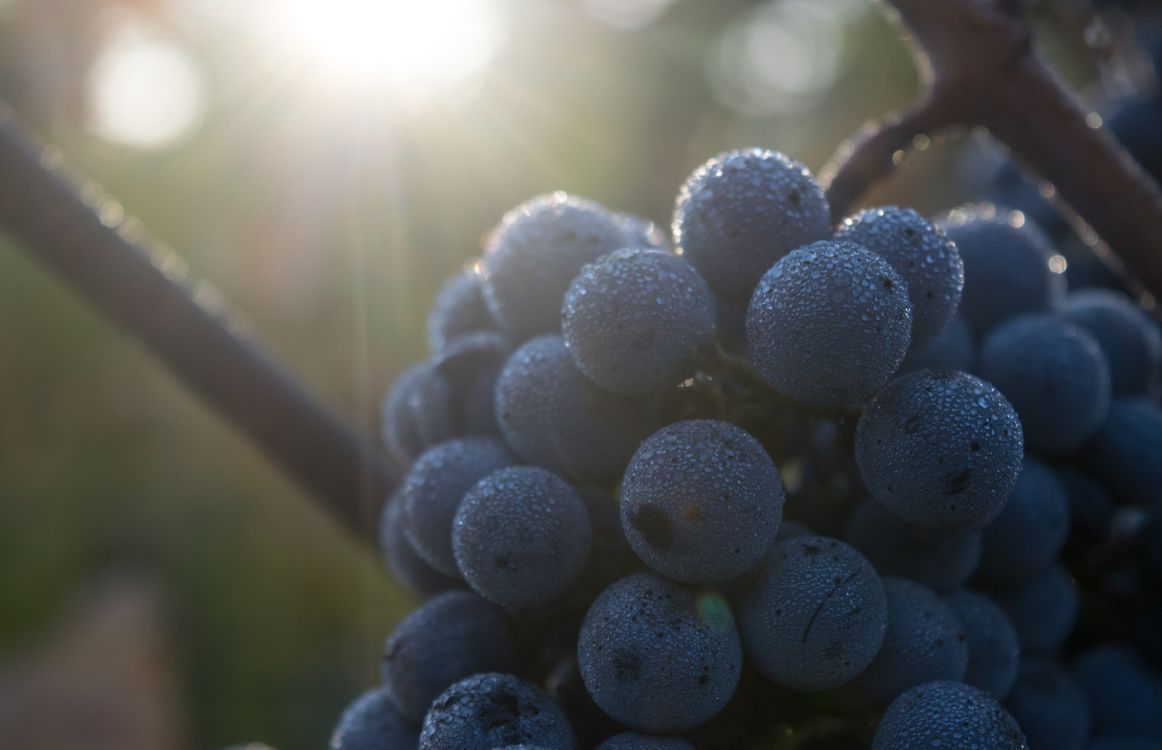
It is important to note that, while the grape, the climate, the region and even the soil make a difference in the cabernet sauvignon grape, in the end, it is the yeast that makes the wine.
To make a great cabernet sauvignon, you will need a yeast that will hold up well to all the sweetness and the tannins.
Cabernet sauvignon grapes are rich and sweet, meaning they will produce a higher alcohol wine, usually between 13% and 14%. This high alcohol content calls for a yeast that can tolerate those higher levels. An inferior yeast will get stressed and overwhelmed and potentially produce a sweeter wine with off flavors.
Again, yeast is everything.
Choosing the right yeast can make or break your cabernet sauvignon.
Best Yeast for Cabernet Sauvignon
For cabernet sauvignon, you will be looking at yeasts that can balance the sweetness of the grapes with a higher alcohol volume. Yeasts that will produce a rich mouthfeel will also be a factor as you need a fuller bodied wine with so many tannins in play. Lending fruit flavors is another consideration, as cabernet sauvignon tends to bring more tobacco and chocolate notes to the wine.
As a result, the best yeast strains for cabernet sauvignon are going to be:
- MT, with its ability to bring out the fruity and floral aromas while also providing rich mouthfeel and structure for tannins.
- BDX, for its strength in the berry notes.
- ICV-D254, as it can bring rich mouthfeel and round out excessively aggressive tannins.
- ICV-GRE, because it offers fresh, bright flavors in an otherwise dark and rich wine.
- BM45, as it offers rich mouthfeel alongside cherry liquor and rose petal notes for complexity.
These yeast strains are just a few to start with in your journey to making an excellent cabernet sauvignon. Remember, the trick is to be open, to be experimental, and to be willing to fail.
It is only through failure that we can hope for mastery and success.
Cheers!
Did you know that propagating wine yeast can help you significantly reduce production costs? Join the hundreds of vintners from all around the world using the Smartest Automated Yeast Cell Counter to save thousands of dollars in yeast and prevent costly issues such as stuck fermentation!
Request a Free Demo Account today and experience firsthand how Oculyze can take your winery to the next level!
Sources:
- https://www.masterclass.com/articles/learn-about-cabernet-sauvignon#
- https://winemakermag.com/article/making-cabernet-sauvignon
- https://morewinemaking.com/web_files/intranet.morebeer.com/files/wyeastpair.pdf