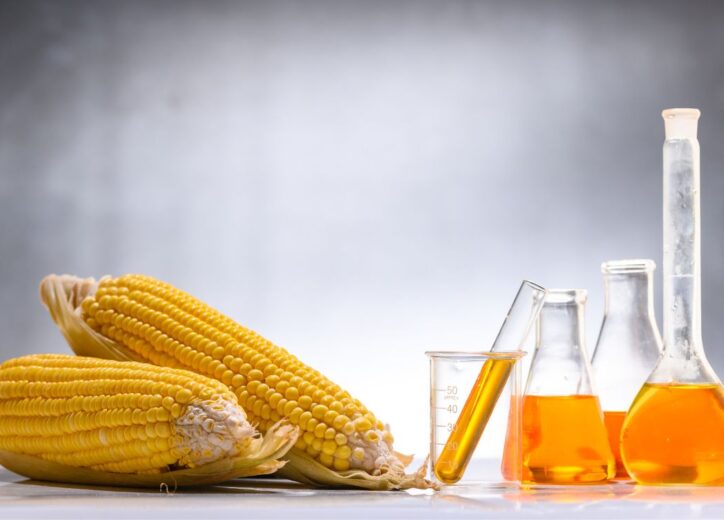
Best pH for Yeast Fermentation
If you’re struggling with the fermentation process and wondering what you could be doing wrong, you might have come across discussions related to the best pH for yeast fermentation. It seems silly to imagine that something so simple could have such a tremendous impact on your fermentation, but it can.
What Is pH?
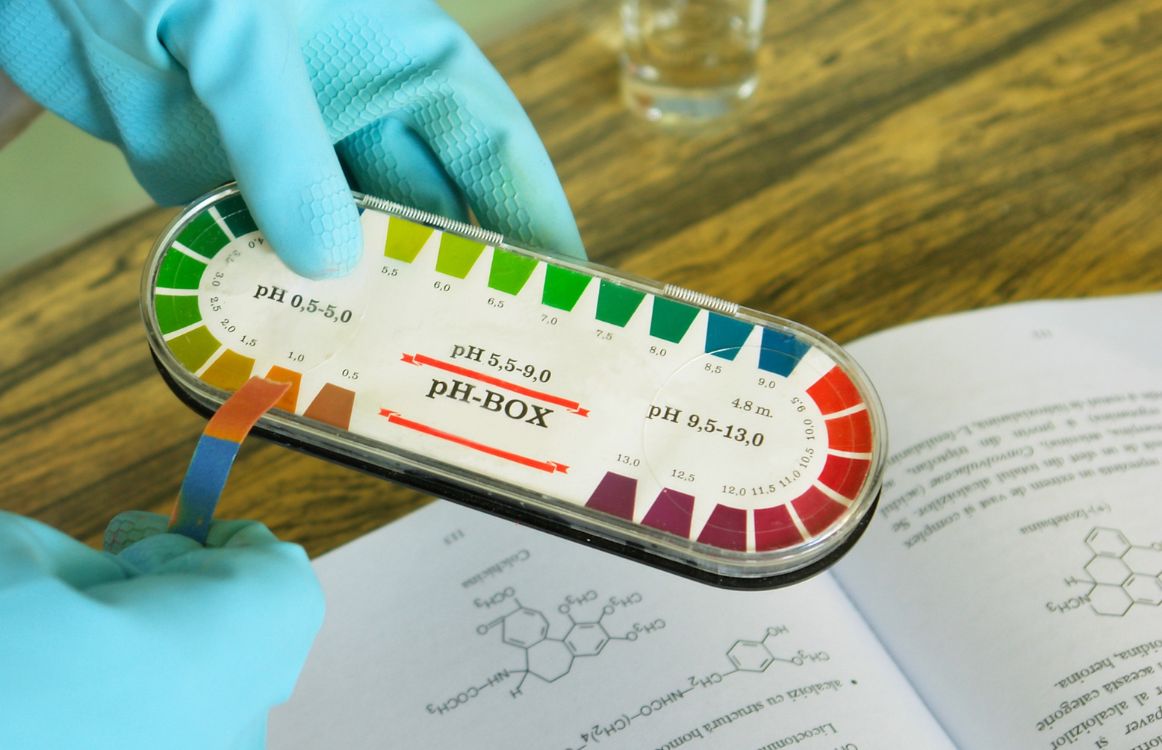
For those not fully informed, the pH of a liquid refers to its acidity. A liquid is either more acidic or more alkaline, and we measure this on a scale from 0 to 14, with 7 being neutral.
The higher the pH level, the less acidic it is, and the lower the pH level, the more acidic it is. The opposite of acidic is alkaline, or base. In chemistry, we ask whether a particular chemical is an acid, a base, or neutral.
Pure water is neutral. Human blood is only slightly alkaline, with a pH of 7.4.
We care about the pH levels in liquids because those levels can have beneficial effects or deleterious effects on plants and animals.
Certain plants grow better in soil with a higher or lower pH, and certain animals thrive on food that has a higher or lower pH.
Also read:
Is Beer Acidic or Alkaline?
The Beer Acidity Chart
What Does pH Have to Do with Fermentation?
In the case of fermentation, we care about pH because, after all, we are feeding yeast.
Yeast, a living organism, needs the right amount of acidity or alkalinity to both reproduce and ferment, two functions that take place when yeast feeds on sugar.
Thus, brewers, winemakers, and fermenters across industries want to make sure we are feeding yeast not only the proper diet of sugars and other nutrients, but also that we are providing an environment in which the yeast can thrive and any bacteria that may invade the batch cannot.
It is, to say the least, a tricky situation.
How Yeast Perform in an Acidic Environment
Currently, science has found that yeast seem to perform better in an acidic environment. Saccharomyces cerevisiae, the most commonly used yeast for fermentation, reproduces better when the pH levels are lower.
Thus, we find that more acid in the batch allows for both better reproduction and better fermentation.
At the same time, too much acid will begin to inhibit growth, and too little acid inhibits fermentation, so it is critical to strike the right balance.
Best pH for Yeast Fermentation
In the end, brewers and scientists alike have found that yeast can both reproduce and ferment between pH levels of 4.0 and 8.0, but that the optimal pH for yeast fermentation is 5.5 on the dot.

Lower pH
To lower the pH levels of your batch, you can add calcium through gypsum or calcium chloride. Typically, for 5 gallons of wort, you can add ¼ tsp of either one to get noticeable results. Note that once you lower the pH to get fermentation going, fermentation will lower the pH still further as it increases the level of lactic acid present.
Thus, by the time fermentation is complete, the pH of beer is acidic, with pH levels of 4 or lower.
Lower pH levels in beer, wine, and other fermented products are often the reason some people get indigestion or acid reflux from drinking too much, or even drinking at all.
Higher pH
While a lower pH is ideal for brewing and fermenting in general, you don’t want the pH levels to be too low.
A pH level that is too low could result in failed fermentation or failed reproduction. If the yeast fail to reproduce, the ones that die off will not be replaced by new yeast cells, resulting in stressed or overwhelmed yeast.
The end results could be an incomplete fermentation and/or a sour beer that is cloudy or hazy.
To raise the pH in your mash or any other fermentation product, you can add ½ teaspoon of calcium carbonate or baking soda to increase the alkalinity.
Summing Up pH in Fermentation
Ultimately, you are going to be doing some experimentation work with your pH levels in your batches, all based on which yeast you are working with, what temperature you are working at, and what your end goals are.
But a pH of 5.5 is an excellent starting point that will get you results. From there, you can raise or lower the pH, work in small batches, and take extensive notes on what works for you and what doesn’t.
In fermentation, as in most things, you must become a master of your craft, and playing with pH levels is just one of the many ways you can gain that mastery.
Cheers!
Are you still pitching fresh yeast every time? By reusing your yeast, you can save up to hundreds of thousands of dollars per year on just yeast alone!
Join the hundreds of brewers from all around the world using the Smartest Automated Yeast Cell Counter! Request a Free Demo Account today and experience firsthand how Oculyze can take your brewery to the next level!
Sources:
- https://ethanolproducer.com/articles/consequences-of-a-lower-ph-15948#
- https://www.ncbi.nlm.nih.gov/pmc/articles/PMC1087585/
Stay on top on important fermentation insights – subscribe to our monthly newsletter and receive a hand-picked selection of our most relevant articles straight to your inbox.
Never miss a beat and get real time updates with a new article each workday by subscribing our social media channels.
Instagram | Facebook | Twitter | YouTube