Discovering How Long to Ferment Tepache
If you’ve been experimenting with interesting twists on fermentation, tepache is one of the most popular fermented beverages for people to make in the home and brewers to add to their list of offerings. It has spread from its humble origins to now be featured in bars, restaurants, and pubs as either health drinks or additions to cocktails and beers. While the brewing process for tepache is relatively simple, you still may have questions about the steps, namely, how long to ferment tepache. Fear not. We’ve got your answers.
What Is Tepache?
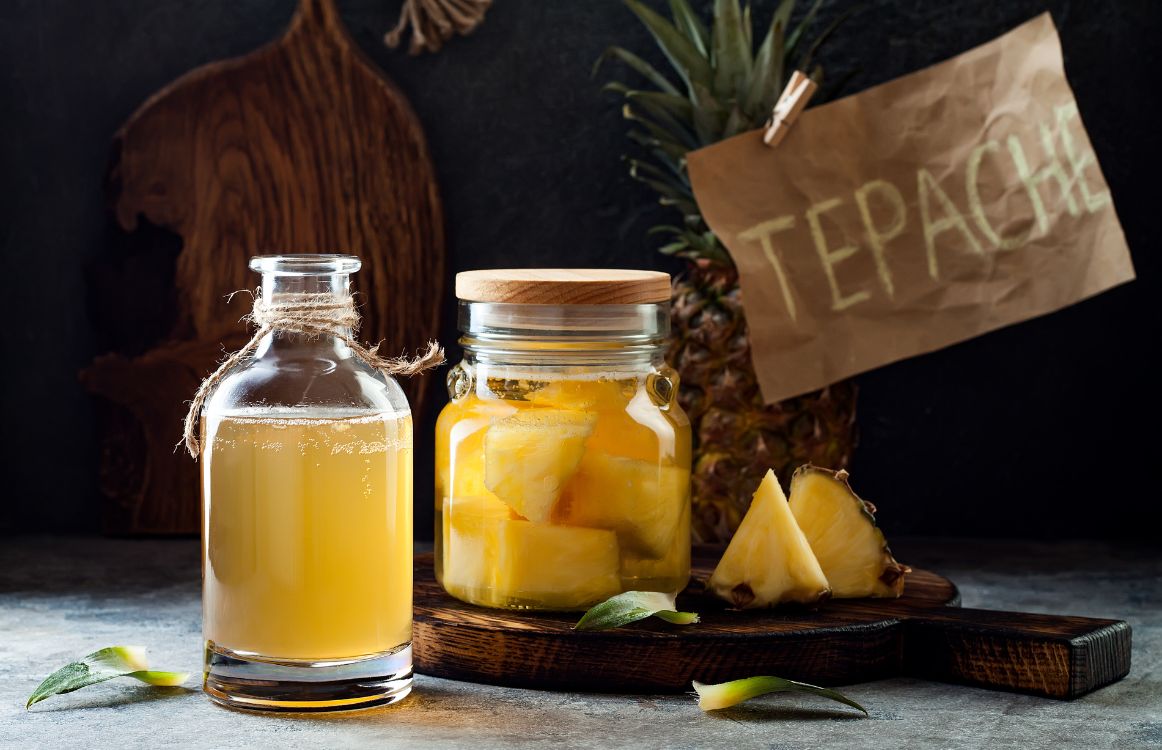
Tepache is a drink traditional to Mexico that has been around for millennia. Much like wine or beer, tepache consists of fruit, fruit peels, a bit of sugar, water, and a few days of fermentation.
Today, the beverage is made with pineapple rind, a few pineapple chunks, piloncillo (a Mexican brown sugar), cinnamon, and water. Nature then takes care of fermentation for you, and after a few days you’ll have a fizzy, sweet, slightly alcoholic drink to share with friends and family.
Many people compare tepache to kombucha, and there are similarities, such as the combination of yeast and bacteria to ferment and make a buzzy juice, but the difference is profound. Kombucha is fermented tea while tepache is fermented fruit.
The History of Tepache
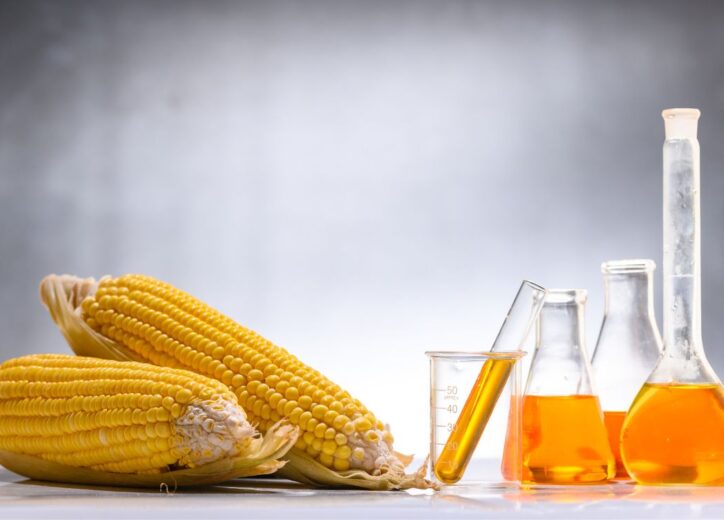
Tepache actually did not start out as a pineapple drink, though that is how it is predominantly made today. In its original form, tepache was made from ground corn and water that was then fermented. Indeed, in Nahuatl, the language of the indigenous people of Mexico, tepache means “corn drink.”
Corn was abundant in the regions of Mexico, and history shows us that once people have domesticated, found a steady food source and constructed shelters, almost without fail the next step is to create an alcoholic beverage. This tradition stands true across cultures.
For the Nahau people, tepache was that alcoholic beverage.
Corn would be ground, a bit of sugar added, maybe some ground cinnamon included, then all of those ingredients would be mixed with water and stirred.
Left for a few days, yeast and bacteria would create a naturally alcoholic probiotic drink rich in nutrients and delicious to enjoy with a meal.
Over time, pineapple replaced corn as it became more available to the area, and eventually it completely overtook corn.
Health Benefits of Tepache
The health benefits of tepache are tremendous. In the same way that beer has been used for millennia to hydrate families who could not safely drink from local water source, and wine has been an elixir that protects the heart and the blood, tepache too has its own natural advantages.
The pineapple alone provides vitamin C, manganese, calcium, phosphorous, and bromaline – all nutrients that help built a strong immune system and aid in digestion.
Cinnamon is a powerful antioxidant that helps with blood sugar, reduces inflammation, and protects against heart disease.
Both of these foods are also prebiotic, meaning they feed the healthy bacteria in your gut.
Then, when you ferment the ingredients, you are now creating healthy probiotics, which create those healthy bacteria in your gut. A healthy gut is the key to all other health issues in your body.
Clearly, tepache is one powerfully healthy drink.
How to Make Tepache
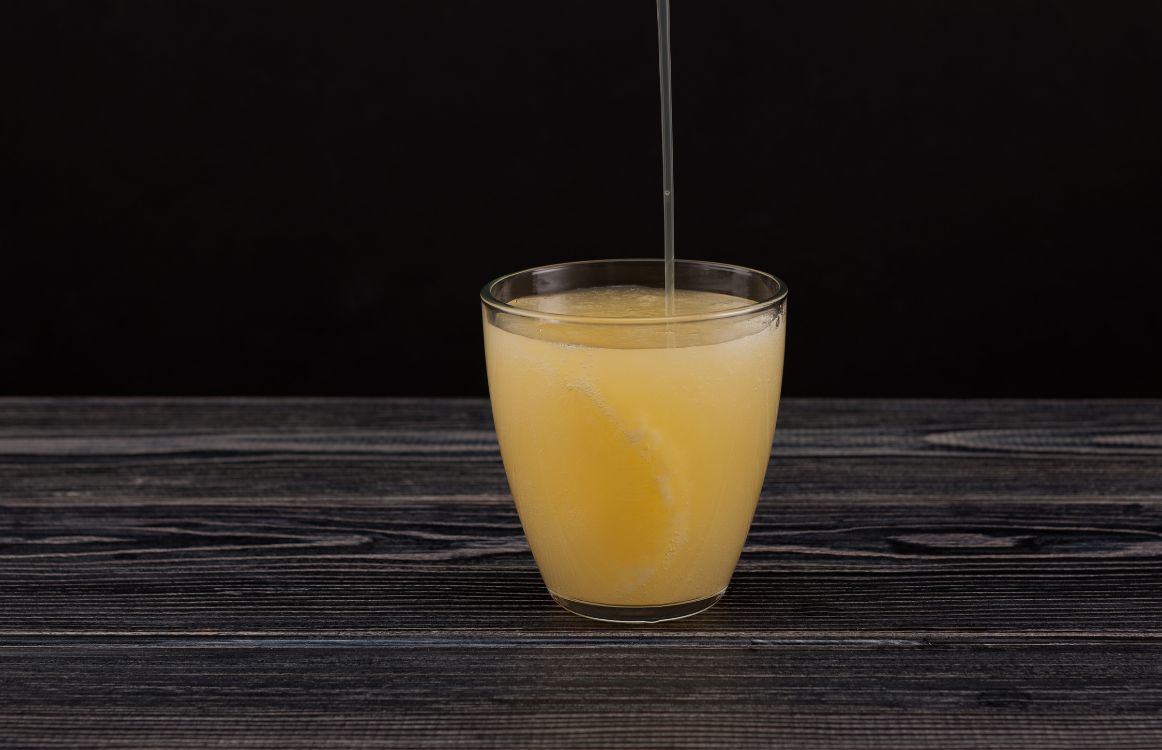
Making tepache is super simple and can be done by virtually anyone.
Most people buy a pineapple to eat the fruit and discard the peel. In this case, you can eat the fruit and use the peel. Or you can throw the fruit in there with the peel.
Either way, you want to remove both ends of the pineapple and rinse the rind completely. Ideally, you will aim for an organic pineapple so you don’t have to deal with pesticides.
Cut the rind away from the pineapple, leaving a quarter inch to a half an inch of fruit on the rind.
Cut away the core from the fruit.
Throw the rind and the core and any fruit you don’t eat into a large olla (Mexican clay pot) or glass jar.
Add one cone of piloncillo or one half cup of brown sugar and two cinnamon sticks.
Stir ingredients together.
Ensure all the ingredients are fully submerged in the water to prevent mold forming on the surface.
Cover the pot or jar with a cheesecloth or clean kitchen towel and place a rubber band around the rim to keep out all debris and bugs.
Allow the jar to sit for 2 to 3 days and ferment.
In that time, wild yeast and bacteria will be naturally attracted to the sugar in the water and begin to ferment for you.
Check the drink for taste after the second day.
The longer you ferment, the less sweet the beverage will be and the more alcohol you will have.
How Long to Ferment Tepache
When considering how long to ferment tepache, the trick is to knowing how much sweetness and how much carbonation you want.
To get the beverage maximum sweetness, you only need 2 or 3 days.
If you want more carbonation, you can put the tepache through secondary fermentation, which requires you to strain and bottle the beverage after the initial 2 or 3 days, leaving room for bubbles to form on top, about 2 inches between the liquid and the cap.
If you then leave the bottles for another 3 days at room temperature, more carbonation and alcohol will be created by the yeast still alive in the liquid.
Once you put the bottles in the fridge, you will slow down or stop fermentation altogether.
Thus, you can choose between having a sweeter beverage or a more alcoholic and fizzy drink.
Either way, if you bottle, be sure to use fermentation grade bottles and leave plenty of room, so they don’t explode on you.
Cheers!
Not our customer yet? Join the hundreds of brewers from all around the world using the Smartest Automated Yeast Cell Counter! Request a Free Demo Account today and experience firsthand how Oculyze can take your business to the next level!
Sources: