Yeast Storage Freezer Options
So, you found a yeast strain, or strains, that you love, but you don’t need to use all of it right away. Don’t worry. You have plenty of options. While some will tell you that you can only freeze dry yeast, or that you are limited by what you can do with fresh yeast, the truth is that the yeast storage freezer option may be the best for long-term storage, but you have other options for the shorter term as well.

Yeast
The first thing that is important to note is that yeast is a living organism that we want to keep alive as long as we can if we want to use it again.
While the issues with other foods like flour, sugar, or fresh produce, meat, and dairy, is spoilage, the issue with yeast is function.
We want our foods to taste good and to provide nutrients, but we want yeast to do its job.
The job of yeast is to ferment.
It finds sugar, consumes it, and then converts that sugar into alcohol and carbon dioxide.
If you are a baker, you get bread as a result.
Winemakers and brewers get wine and beer.
The nice thing to know about storing yeast is that it really only dies as a result of heat or alcohol. Temperatures above 120 degrees Fahrenheit will render yeast immobile and incapable of fermenting or reproducing. Alcohol above a certain tolerance will do the same. Each yeast has a different alcohol tolerance, and it will usually simply lie dormant once it produces alcohol nearing that range. However, when alcohol is added to a fermenting beverage, say in the name of fortification, that alcohol will typically cease all fermentation activity by killing off the actively fermenting yeast.
Refrigerating and even freezing yeast will not have the same effect. On the contrary, freezing yeast will simply “put it to sleep” for lack of a better term. Once it reaches a certain cold temperature, yeast will lie dormant.
Cultivating Your Own Yeast
For those working closely with yeast, you have three options. You can work with dry active yeast, which comes in the most abundant supply commercially available. As of now, there are about 400 strains of dry ale or lager yeast, from brewers to bakers to wine yeast. In shorter supply, but still plentiful, fresh yeast is another option for anyone in the fermentation industry.
Finally, you can cultivate your own yeast.
Many smaller, craft brewers are performing this homage to organic, local ingredients that involves heading out into nature and harvesting yeast from local plants and other organic matter. You can then grow the yeast in your brewhouse or other sanitary space by keeping it fed regularly.
You’ll essentially be creating a beer starter in the same way many cooks or domestic gods and goddesses create and maintain their own sourdough starters in their own homes.
Cultivating your own yeast can be an excellent way to get in touch with your process, and you can experiment with the results of that wild, local yeast by brewing small batches with your local harvest.
Dry Yeast Storage
In terms of storage, you will treat dry active yeast differently from fresh yeast. Harvested yeast is considered fresh yeast, just to be clear.
Dry active yeast has been dehydrated and can last much longer than fresh yeast.
To store dry yeast, if it is already in the package, you can easily keep it in the pantry and expect it to stay good for up to two years. You can freeze unopened dry active yeast for up to 5 years.
If you have opened it, you can store it in the refrigerator for 4 months and in the freezer for six months.
Fresh Yeast Storage
Fresh yeast is a whole different ballgame and if you are not actively harvesting your yeast, keeping it fed, you need to be mindful that you are dealing with a living organism and either use it quickly or help it go dormant.
In essence, if the package of fresh yeast has not been opened, you can simply watch the expiration date on the package and follow instructions accordingly. Fresh, unopened yeast should last in the freezer for up to 2 years.
Once you open the package, or if you are working with wild, freshly cultivated yeast, you can store it in the refrigerator for about two weeks. If wrapped properly, you should be able to freeze fresh yeast for up to six months.
How to Wrap Yeast for Storage
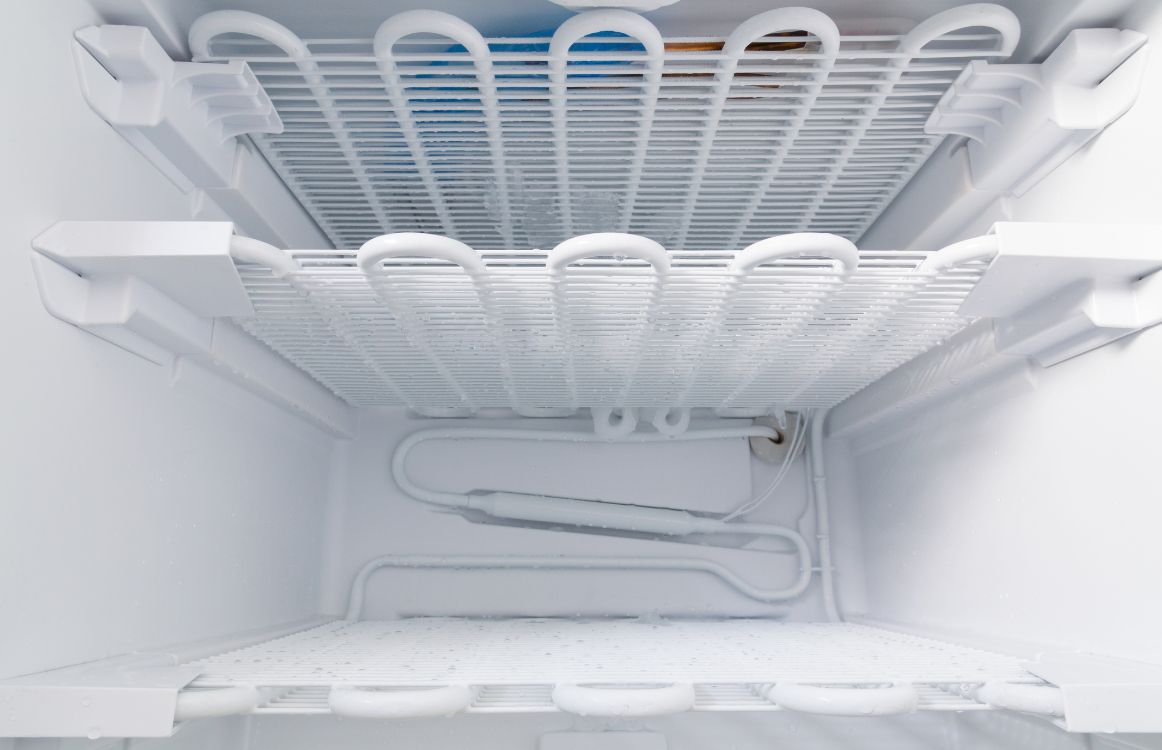
Whether you are refrigerating or freezing yeast, the wrapping process is the same.
For dry yeast, place it in an airtight container.
For fresh yeast (as in baker’s yeast), cut the yeast into ice cube sized chunks and wrap each cube with plastic wrap. Then wrap again with aluminum foil. Finally, place the cubes into a Ziploc bag and squeeze all the air out. The less air in the bag, the lower your chances for drying out the yeast. Seal the bag, label it with the strain and the date, and place the yeast in your freezer.
Freezing liquid yeast is a far more difficult process. You would have to use a cryoprotectant, such as glycerol, to prevent the destruction of the yeast cells during the freezing process. You would also need an insulated cooler to keep the temperature constant, counteracting the effects of the freezer’s defrost cycle. However, it is not impossible and you can give it a try starting with a small quantity of yeast. You can try it out with a few vials – aim at a 1/3 glycerol to 2/3 liquid yeast. Also, make sure to leave some space as the volume will increase during the freezing process.
How to Work with Frozen Yeast
Now, once you are ready to work with the yeast you have frozen, you will want proof that it is still alive, active, and ready to ferment.
First, of course, you want to allow the yeast to thaw out if it is fresh. If the yeast is dry, you don’t have to wait for it to defrost.
Then, you can test the yeast cells with a cell counter to check how many of the yeast cells are still alive.
Alternatively, you can place two teaspoons of sugar into one cup of hot water and dissolve. Once the sugar has dissolved and the water has cooled a bit, add one teaspoon of yeast to the water and wait 30 minutes.
In that time, you should see plenty of bubbling and frothing, telling you the yeast is consuming the sugar and fermenting. This, of course, does not tell you how many of the yeast cells are alive – for which you would need a cell counter, but it’s something.
If you see no activity, wait another 30 minutes. If still nothing happens, your yeast has gone bad. Move on to another sample.
Cheers!
Are you still pitching fresh yeast every time? By reusing your yeast, you can save up to hundreds of thousands of dollars per year on just yeast alone!
Join the hundreds of brewers from all around the world using the Smartest Automated Yeast Cell Counter! Request a Free Demo Account today and experience firsthand how Oculyze can take your brewery to the next level!
Sources:
- https://www.allrecipes.com/article/how-to-store-yeast/
- https://www.masterclass.com/articles/how-to-store-yeast
- https://www.cookist.com/did-you-know-that-you-can-freeze-your-fresh-yeast-heres-the-how-to/
Stay on top on important fermentation insights – subscribe to our monthly newsletter and receive a hand-picked selection of our most relevant articles straight to your inbox.
Never miss a beat and get real time updates with a new article each workday by subscribing our social media channels.
Instagram | Facebook | Twitter | YouTube