Does Beer Kill Bacteria?
So, you’re here wondering, “does beer kill bacteria?” Well, the simple answer is yes. And no.
Really, it’s complicated and there is no simple answer.
Why?
Brewing with Bacteria
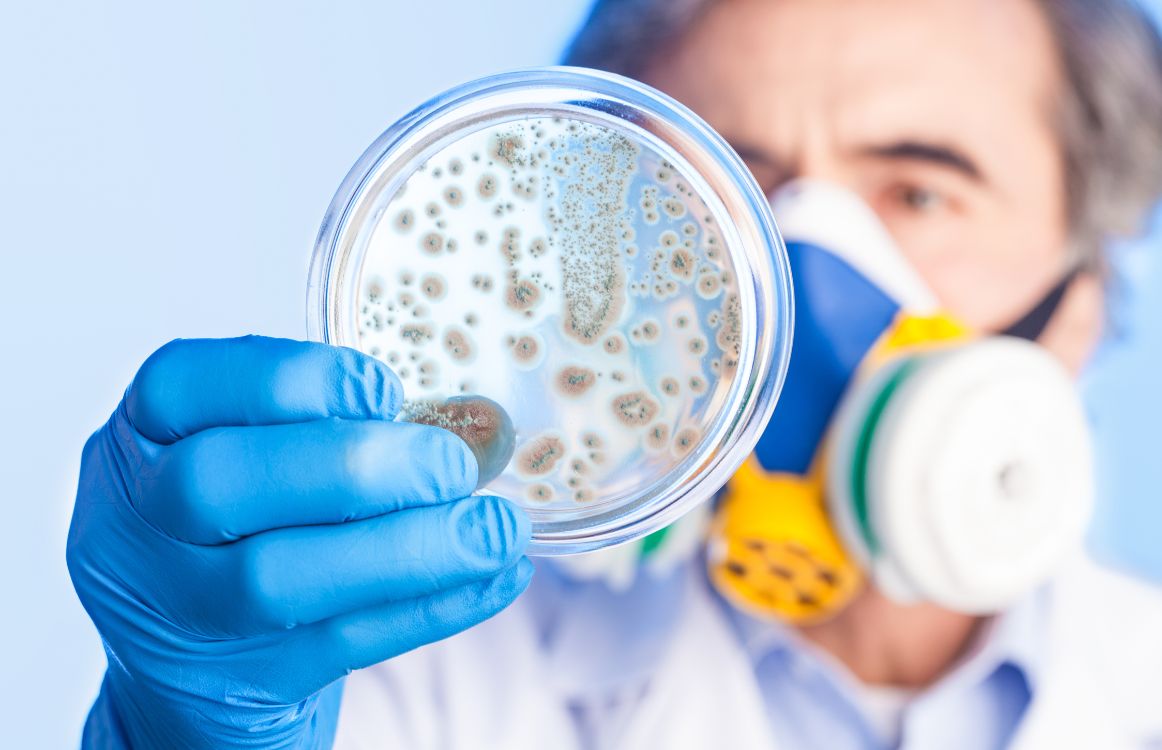
The truth is that bacteria has been an essential part of brewing from the very first beer. Early beer would have undoubtedly and necessarily included bacteria, no matter what.
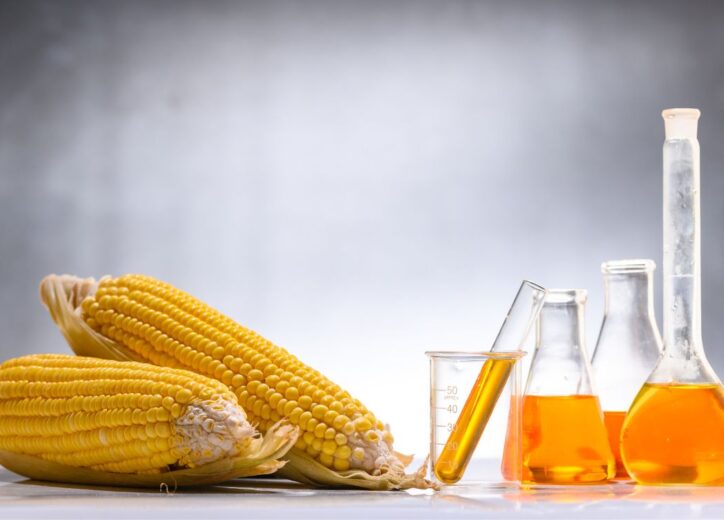
Brewers would collect harvested grain, germinated and toasted it to unlock the fermentable sugars and create a sugary substance for the yeast to ferment, crack the grain to expose those sugars, and then boil the grain before cooling it down and leaving it out for yeast to get to work.
The only part of this process that is missing is the bacteria.
You see, beer would have always been left in an open air vessel, with brewers trusting (albeit unaware yet of what was actually happening) the alcohol in to kill off any unwanted intruders.
And indeed, that is what the alcohol did.
In fact, aside from families and villages simply wanting to enjoy a nice, lightly alcoholic grain beverage to drink with meals, beer was used for hundreds of years as the only form of hydration a family could provide for its children without fear of sickness.
Running water streams were quickly overrun with toxins and pathogens of varying levels of danger thanks to people upstream bathing, washing items, and even defecating in the water. Add to human contributions the number of animals who might also be stomping through or defecating in the water, and it simply could not be trusted.
But bring that water to a rolling boil, and you will kill 99.99% of all harmful organisms.
Now, you can boil water, but you can’t store it without fear that it will become contaminated again.
When you add alcohol, however, you can keep the water clean and preserve your water longer. The addition of several herbs, like hops, will also work to preserve water.
Hence, the production of beer.
But bacteria, just like yeast, enter beer after the boiling of the grain and remain during and after fermentation, and that’s a good thing.
So, what is the role of bacteria?
What Is Bacteria?
Bacteria were the first forms of life on planet earth. Tiny, microscopic life forms that learned to thrive on earth by consuming whatever was at their disposal and multiplying rapidly.
Bacteria serve an important role on earth as they break down matter and recycle it. They make food from sunlight, eat nature’s waste, and they release chemicals that are beneficial to the creation of new plant and animals.
We often think of bacteria as “bad” because when we get sick with an infection, bacteria often play a role, but the truth is that most bacteria is highly advantageous to life on earth, and we humans actually need bacteria more than we realize.
In fact, some scientists will argue that when we get a bacterial infection, we are experiencing a necessary detox of sorts, a cleaning out, that leaves us stronger than before.
Fortunately, for severe bacterial infections, we now have antibiotics to fight those bad bacteria back.
But, quite often, good bacteria are even more effective at this fight than antibiotics.
Good Bacteria vs. Bad Bacteria

Humans coexist with bacteria in ways that are highly beneficial to us, and more and more science is revealing that a healthy, balance, thriving gut microbiome, that is, gut bacteria, is the key to the health in almost all the rest of our bodies.
Studies have shown that a healthy gut is linked to good mental and psychological health, less inflammation in the body, and even a reduction in cancer rates.
All because we have happy, thriving good bacteria in our guts.
And more research has shown that good bacteria play a critical role in defeating bad bacteria. Essentially, when you have healthy bacteria that lives symbiotically in your body, it will fight bad bacteria and myriad other problems in your body.
And the same goes for beer.
In most situations, you are actually better off trusting in good bacteria to fight off or neutralize bad bacteria, as this process is one that has been going on for literally billions of years.
Indeed, when humans evolved from bacteria, it is because of a hybridization of bacteria and yeast forming in which the two worked together to overcome obstacles, many of which were harmful bad bacteria.
In short, in order to kill bad bacteria in nature, we must rely on nature to do what it does best.
Does Beer Kill Bacteria?
So, while alcohol will almost always kill bacteria in high concentrations, as will antibiotics and antibacterial soaps, these substances will only do so at very high concentrations if you are dealing with high concentrations of bad bacteria.
Further, if you are marinating your food in beer, do not expect that it will kill all the bad bacteria as your meat may be infected from the inside, where the beer simply cannot gain access to the bacteria.
In this case, it would be alcohol killing bacteria, and alcohol cannot penetrate meat.
When it comes to the microbiome, beer can actually be harmful to the healthy bacteria in your gut if your beer contains more alcohol than good bacteria, as today most beer does. Too much alcohol in your gut can affect a healthy microbiome and throw off your overall health.
Your best bet is to brew and drink unfiltered, unpasteurized beer rich in probiotics, all the healthy bacteria that will contribute to a healthy gut, just like our ancestors did.
To sum up, beer itself will not kill bacteria. The alcohol in beer can kill off bacteria, but it will kill the good along with the bad, in the same way antibiotics and hand sanitizer does. And the good bacteria in unfiltered, unpasteurized beer will fight off bad bacteria effectively, as it has always done.
Cheers!
Are you still pitching fresh yeast every time? By reusing your yeast, you can save up to hundreds of thousands of dollars per year on just yeast alone!
Join the hundreds of brewers from all around the world using the Smartest Automated Yeast Cell Counter! Request a Free Demo Account today and experience firsthand how Oculyze can take your brewery to the next level!
Sources:
- https://depts.washington.edu/ceeh/downloads/FF_Microbiome.pdf
- https://ask.usda.gov/s/article/Does-wine-or-liquor-kill-bacteria
- https://my.clevelandclinic.org/health/articles/14598-probiotics
- https://blog.insidetracker.com/beer-fermented-contain-probiotics
Stay on top on important fermentation insights – subscribe to our monthly newsletter and receive a hand-picked selection of our most relevant articles straight to your inbox.
Never miss a beat and get real time updates with a new article each workday by subscribing our social media channels.
Instagram | Facebook | Twitter | YouTube