Best Yeast for Riesling
If you’ve been thinking about dipping your toes into the world of Riesling, you are likely wondering about the best yeast for Riesling.
After all, this wine is a special one, commonly overlooked by those seeking drier, more noteworthy wines but never discarded or disregarded by true wine lovers.
What Is Riesling?
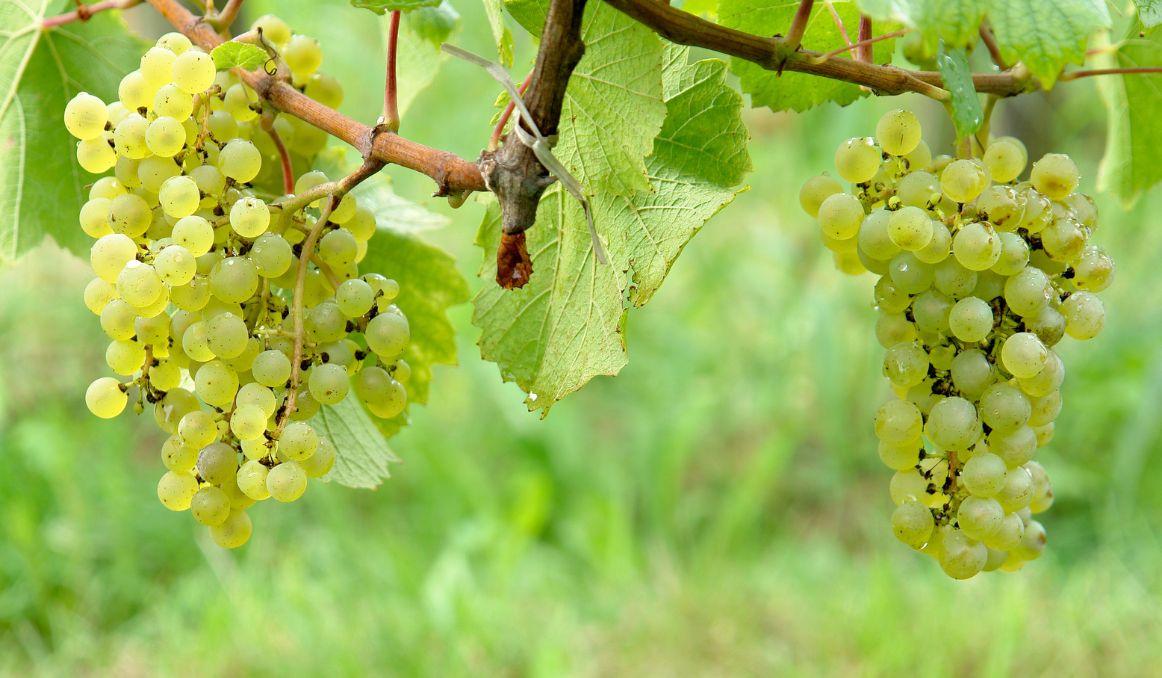
Riesling was discovered in the cold regions of Germany during the early 1400s. The word “discovered” is better used here than “invented” or “created” because it was simply a matter of recognizing this marvelous grape, the riesling grape, that has a high tolerance for the cold and indeed performs better the longer it ages and the cooler the temperature.
Unlike some grapes that are harder to grow because they require ideal conditions and close attention and care, like the pinot noir, the riesling grape will grow wild and in abundance in even the coldest weather.
In fact, Riesling is often only made during the cooler seasons as that is when the grapes thrive. It is likely because of these conditions that riesling grapes have a rather high acidity.
Riesling, for centuries, was one of the most popular wine varieties in the wine world. Royalty and nobles would even travel with it to bring it to business dealings.
Then, in the 1980s, as more people became interested in drinking “good wine,” the idea that only dry wine could be considered worthy, and that sweet wine was for the masses rather than the discerning palate arose.
Fortunately, that idea did not last long. By the late 1990s, Riesling was back on top, and you can find it today on market shelves ranging from a dry Riesling to a quite sweet Riesling.
In general, Riesling tends to be sweet, a bit fizzy, and a bit fruity. You can also often detect notes of florals and even lime peel. It is best when served cold, and it is among the easiest to drink.
How to Make Riesling
The biggest consideration when making Riesling is temperature.
Like all white wines, Riesling ferments at lower temperatures, often between 40 and 45 degrees Fahrenheit.
First, the grapes are pressed, the juice extracted, and then the skins, stems, and seeds are immediately removed.
The goal with a Riesling is to have a clearer, cleaner glass of wine, a true white wine, with only some Rieslings tipping into amber territory.
It is essential to the fermentation process that these lower temperatures are maintained. With Riesling, the lower and the slower the better, as the grapes tend to ferment better over time.
Most Rieslings are fermented, or racked, at least twice.
Some winemakers will even rack the wine once or twice before fermentation has even begun, filtering out all extraneous debris that will interfere with the pure juice.
Then, a bit of sugar is added in with the yeast, strains of which can range from Champagne yeast to a Prise de Mousse. The trick is to use yeast with a high alcohol tolerance that will aid in the production of fruits, florals, and spices that so often come from riesling grapes.
The first fermentation can take up to three months, much longer than most wines.
As the yeast consumes the sugars in the wine, the winemaker will track the sugar content, aiming to get the sugar level down to about 1.5 Brix.
Toward the end of fermentation, you can lower the temperature even further, down to 38 degrees, to allow the wine to settle, and then rack again for bottling or aging.
Riesling is a great wine to be aged in casks for months to allow flavors and aromas to smooth out and to encourage any remaining yeast to clean up any harsh off flavors.
Best Riesling to Try
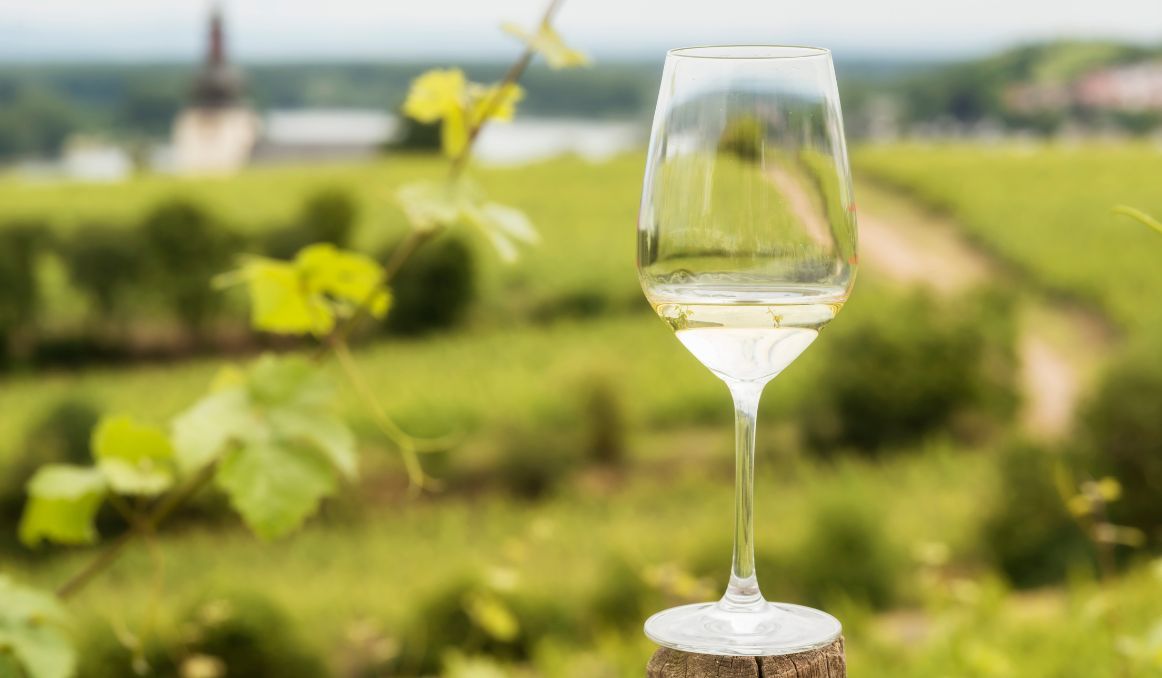
For winemakers exploring their own approach to Riesling, it is a good idea to experiment with the range of existing top-quality Rieslings on the market.
To get started, you can try these award winners:
Palmaz Louise Riesling 2017 – Out of Napa Valley with an ABV of 13.2%, this white wine has notes of peach, green apples, wet stones, and Meyer lemon. Expect high acidity and a crisp, fruity finish.
Georg Albrecht Schneider Niersteiner Paterberg Riesling Kabinett 2017 – A German Riesling with an ABV of just 9%, this smokey, stone fruit wine has hints of citrus zest and crushed stone minerals. The vineyard is located right off the Rhine River and is among Germany’s finest.
Hermann J. Wiemer Dry Riesling Reserve 2018 – For a drier variety, try this one from New York with an ABV of 12.7%. It has notes of apple, pear, lemon, and pineapple and the grapes are grown just off Seneca Lake.
When experimenting with Rieslings, remember this wine pairs well with milder foods, including duck, pork, chicken, and shrimp, as well as spices like cinnamon, clove, ginger, and soy.
Best Yeast for Riesling
Choosing yeast for your Riesling can be challenging and will really depend on your expected outcome. As with all alcoholic beverages, yeast can make or break your end result.
Often, a winemaker has to experiment with their ingredients, their process, and with various strains of yeast to see which works best for their specific fermentation.
Remember, always, that you want to choose a yeast with a high alcohol tolerance as riesling grapes tend to be sweet, plus you will be adding sugar to balance the acidity. Further, you want a yeast strain that ferments cold as Riesling performs better at cooler temperatures.
To begin, try a Champagne yeast, which can offer you the opportunity to produce a fizzy wine.
You can also experiment with Prise de Mousse or Steinberg, the most common Riesling yeasts among winemakers.
Both ferment with high vigor but low foaming and low to moderate nitrogen demand, making them great for either bottle or barrel fermentation, either of which work well for Riesling.
Cheers!
Did you know that propagating wine yeast can help you significantly reduce production costs? Join the hundreds of vintners from all around the world using the Smartest Automated Yeast Cell Counter to save thousands of dollars in yeast and prevent costly issues such as stuck fermentation!
Request a Free Demo Account today and experience firsthand how Oculyze can take your winery to the next level!
Sources:
- https://northeastwinemaking.com/pages/winemaking-yeast-guide
- https://winemakermag.com/article/475-making-riesling-tips-from-the-pros
- https://winefolly.com/deep-dive/the-tasters-guide-to-riesling-wine/
- https://latahcreek.com/news/how-is-riesling-wine-made
- https://www.liquor.com/best-rieslings-5094994